
What Respite Care Is in Philadelphia — and When Caregivers Need a Break

Respite care offers family caregivers short-term relief so they can rest, run errands, or tend to their own health while their loved one keeps getting reliable support. According to the AARP, approximately 53 million Americans provide unpaid care to an adult or child with special needs, highlighting the widespread need for support services like respite care. This article walks through what respite care looks like, the advantages it brings, and the moments when caregivers in Philadelphia are most likely to need it. Caregiving can be exhausting — stress and burnout are common — so knowing your options for breaks, costs, and how to choose a provider helps you care for both your loved one and yourself.
What Respite Care Does and How It Helps Philadelphia Families
Simply put, respite care is temporary help for family caregivers. It can happen at home, at an adult day program, or in a short-stay residential setting. The main goal is to ease caregiver stress so people can return to their role feeling steadier and more present. Regular breaks often lead to better mood, clearer thinking, and healthier family relationships.
What In-Home Respite Care Looks Like
In-home respite brings trained caregivers into the home so the person receiving care stays in familiar surroundings. Professionals such as home health aides or nurses can help with daily activities, medication reminders, and provide companionship. Families can choose how often and how long the care lasts, making it a flexible option for many situations.
Key Benefits of Respite Care for Family Caregivers
- Less Caregiver Stress: Short, regular breaks reduce pressure and help caregivers manage tasks more calmly.
- Better Mental Health: Time away from care duties can lower anxiety and depressive symptoms.
- Stronger Family Connections: When stress eases, interactions with loved ones tend to be warmer and more patient.
Those outcomes show why respite care is an important part of long-term caregiving plans. A study published in the *Journal of the American Geriatrics Society* found that caregivers who utilized respite services reported significantly lower levels of stress and depression compared to those who did not.
Studies consistently find that respite improves caregiver well-being and family dynamics.
Respite Care Benefits: Reducing Caregiver Stress
Research shows many caregivers report less stress and burden, a lower risk of neglect or abuse, and a higher quality of life after using respite services.
Improving policies for caregiver respite services, 2013
When Philadelphia Caregivers Most Often Need Respite Care
Caregivers usually reach for respite during periods of high demand or change. Spotting those moments early can make it easier to arrange support before exhaustion takes hold.
Common Signs of Caregiver Burnout
Burnout shows up in different ways, including: Research from the National Alliance for Caregiving indicates that nearly 40% of family caregivers report high levels of emotional stress, and 20% experience financial strain, often leading to burnout.
Recognizing the full range of burnout symptoms helps caregivers act early and safely.
Understanding Caregiver Burnout and Its Impact
Caregiver burnout is physical, emotional, and mental exhaustion from ongoing caregiving tasks. Over time, it can reduce a caregiver’s ability to cope and take a toll on their health and daily life.
Caregiver Exhaustion: Preventing and Overcoming Burnout in Caregiving
- Physical Symptoms: Persistent tiredness, trouble sleeping, and getting sick more often can signal overwhelm.
- Emotional Symptoms: Feeling hopeless, easily irritated, or anxious are common warning signs.
- Behavioral Changes: Pulling away from friends, skipping appointments, or neglecting self-care often indicates a need for help.
Noticing these signs early makes it easier to arrange respite before problems escalate.
How Respite Care Helps Prevent and Ease Burnout
Respite services give caregivers time for rest, self-care, medical appointments, or simply a short break. That pause can restore mental clarity and emotional balance, so caregivers return to their role less stressed and more effective. Many families report that regular respite dramatically improves their ability to keep caregiving long-term.
Short-Term and In-Home Respite Options in Philadelphia

Philadelphia has a range of respite services to fit different needs, from a few hours of help to longer stays.
How Hourly, Overnight, Live-In, and Emergency Respite Differ
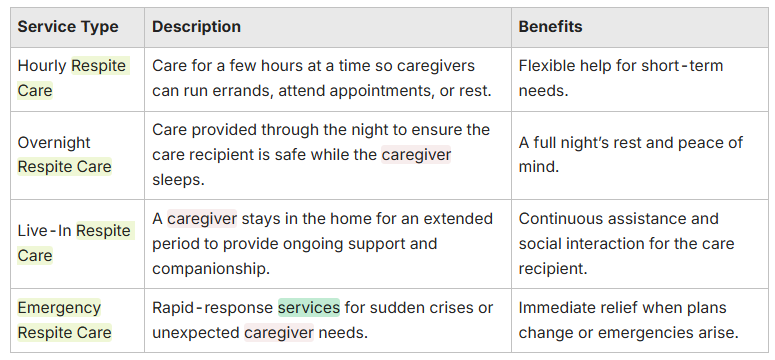
Specialized Care Options Offered by Home Matters Caregiving
- Dementia and Alzheimer's Care: Caregivers trained to support people with memory loss, focusing on safety, routine, and comfort.
- Post-Surgery Care: Help with recovery tasks and daily routines while healing after a procedure.
- Companionship Services: Social activities and conversation to reduce isolation and lift spirits.
These services make it easier for caregivers to step away without compromising the quality of care.
How Philadelphia Caregivers Can Navigate Costs and Funding
Knowing the financial side of respite care helps families plan. Several programs and insurance options may offset costs depending on eligibility. While costs can be a concern, understanding available resources is crucial. The average annual cost for a home health aide in Pennsylvania, which often includes respite services, was approximately $57,200 in 2023, according to Genworth's Cost of Care Survey, underscoring the importance of exploring all funding avenues.
Insurance and Government Programs That May Cover Respite Care in Pennsylvania
- Medicaid Coverage is available for eligible people, including respite through certain waivers like the Community HealthChoices program.
- Veterans Affairs (VA) : VA benefits and caregiver programs can include respite support for veterans and their families.
- Long-Term Care Insurance : Some policies cover respite services; check your plan details to confirm.
Caregivers should verify eligibility and the specifics of each program to see what’s covered.
Typical Costs for Respite Care Services in Philadelphia
Prices vary by service type, length of care, and provider. Typical ranges include:
- Hourly Respite Care: $25 - $40 per hour
- Overnight Respite Care : $150 - $250 per night
- Live-In Respite Care : $150 - $250 per day
Knowing these ranges can help families budget and explore assistance where needed.
Choosing the Right Respite Care Provider in Philadelphia
Picking a provider matters for safety and peace of mind. Consider qualifications, experience, and how well the agency matches caregivers to your family’s needs.
Why Families Trust Home Matters Caregiving
- Customized Care Plans : We build plans around each person’s routines and preferences.
- Trained Caregivers : Our staff are vetted and trained to provide respectful, skilled support.
- Positive Client Feedback : Families consistently report satisfaction with our services and approach.
These qualities are why many families choose Home Matters Caregiving when they need reliable respite.
How Virtual Care Adds to Respite Support
Virtual care tools make it easier to get guidance and resources without leaving home. Common offerings include:
- Consultations with Healthcare Professionals: Quick access to medical advice and care planning.
- Online Support Groups: Peer connection and shared tips from other caregivers.
- Educational Resources: Training and information to improve caregiving skills and confidence.
These remote options complement in-person respite and give caregivers extra support when it’s needed.
Frequently Asked Questions
What qualifications should I look for in a respite care provider?
Look for agencies that hire trained, certified caregivers and perform background checks. Specialized training—such as dementia care or post-op support—matters when those needs are present. Ask about references, accreditation, and how the agency matches caregivers to clients so you feel confident in your choice.
Can respite care services be customized to meet specific needs?
Yes. Many providers create individualized care plans that include routines, meal preferences, medication schedules, and favorite activities. Share your loved one’s habits and needs up front so the caregiver can provide consistent, comfortable care.
How can I ensure the safety of my loved one during respite care?
Choose a provider with clear safety protocols, emergency plans, and trained staff. A home safety check and an open line of communication with the caregiver help maintain safety. Regular check-ins during the respite period give added reassurance.
What should I do if I am not satisfied with the respite care services?
Raise concerns with the provider as soon as possible so they can address issues or make changes. Most reputable agencies welcome feedback and will work to resolve problems. If concerns persist, consider documenting them and discussing alternative options.
Are there any support groups for caregivers in Philadelphia?
Yes. Philadelphia has local caregiver support groups through hospitals, community centers, and nonprofit organizations, plus online forums for broader connection. These groups are useful for practical tips and emotional support.
How can I prepare for a respite care service visit?
Prepare a safe, comfortable space, a list of routines and medical needs, and any necessary supplies or medications. Talk with both your loved one and the caregiver to set expectations and answer questions before the visit starts.
How Long Can Someone Stay in Respite Care?
Respite care length depends on your needs and the service chosen. Stays can be as short as a few hours or extend to several weeks. Discuss your situation with the provider to set the appropriate timeframe.
How Do Caregivers Arrange Respite Care Services with Home Matters Caregiving?
- Initial Contact: Caregivers can reach out to describe their needs and schedule a consultation.
- Assessment and Planning: We create a care plan tailored to the care recipient’s requirements.
- Service Initiation: Care begins as scheduled, with ongoing check-ins and adjustments as needed.
This process helps families get timely, dependable support.