
Is in‑home Alzheimer’s and dementia care safer than a facility? A clear look at safety, quality of life, and cost
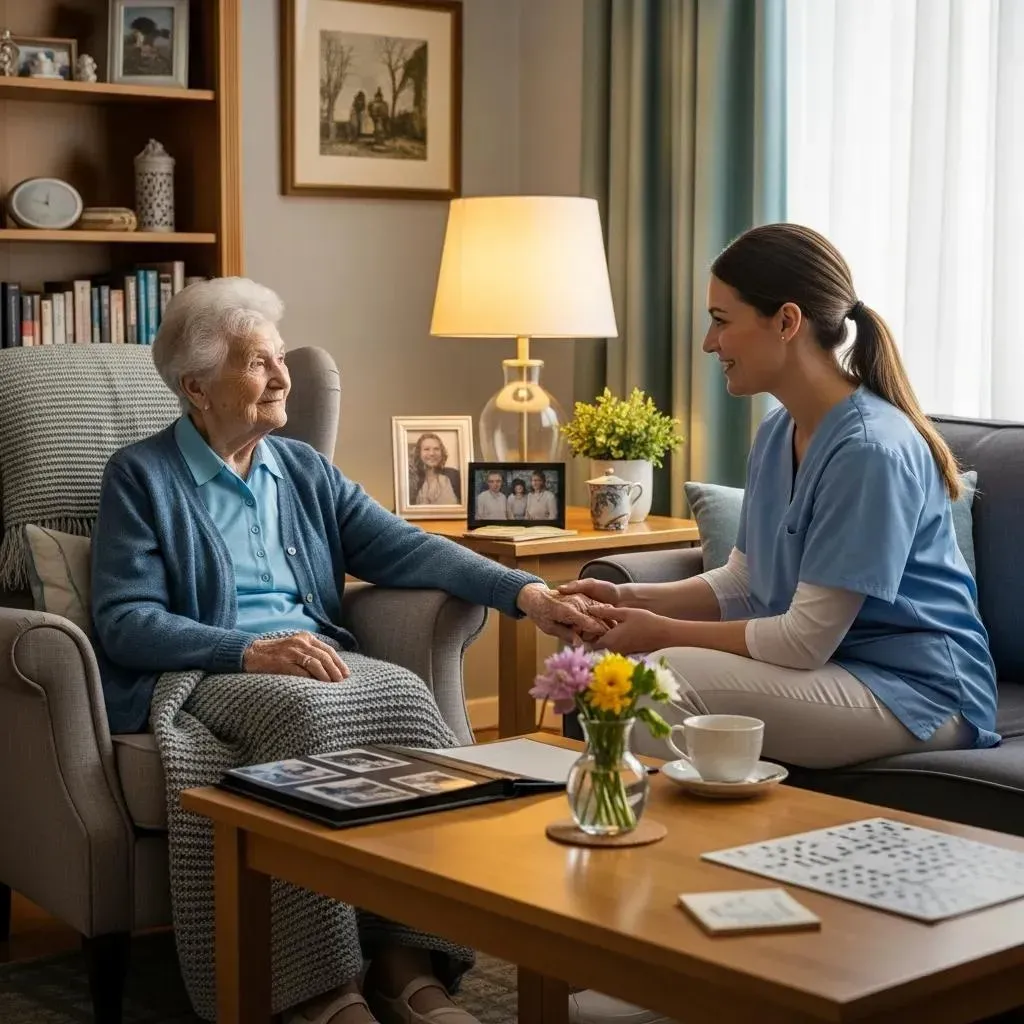
More families are choosing in‑home care because it keeps loved ones where they feel most secure. This article examines the safety, daily quality of life, and cost differences between in‑home care and memory care facilities. We explain how familiar surroundings, personalized support, and smart monitoring can improve safety—and when a facility might be the right choice. The sections below cover safety, quality of life, costs, and decision points for families. According to the Alzheimer's Association, over 6 million Americans are living with Alzheimer's, and a significant portion prefer to age in place, highlighting the growing demand for effective in-home solutions.
How does in‑home dementia care improve safety compared to facilities?
In‑home dementia care often reduces stress by keeping a person in familiar settings, which can lower confusion and agitation. One‑to‑one care lets caregivers tailor routines and supports to each person’s needs, improving day‑to‑day safety. Technology—like 24/7 virtual monitoring and wearable alerts—can also help caregivers notice changes quickly and respond when it matters most. Studies have shown that individuals with dementia in familiar home environments experience fewer falls and hospitalizations compared to those in institutional settings, underscoring the safety benefits of personalized home care.
What are the key safety advantages of familiar home environments?
- Less disorientation: Familiar rooms, objects, and sounds often reduce confusion and the anxiety that comes with new surroundings. Research indicates that maintaining a consistent environment can reduce agitation in dementia patients by up to 20%.
- Emotional comfort from personal items: Belongings and routines offer reassurance that supports calm behavior and mental well‑being.
- Wandering risk: Knowing the home layout can lower wandering for some people, but it doesn’t remove the risk—appropriate safeguards remain essential.
Together, these factors help create a safer, more supportive daily life for people with dementia.
How does 24/7 virtual monitoring improve dementia patient safety?
- Real‑time alerts for caregivers: Instant notifications let caregivers act quickly when a person needs help or behaves unexpectedly.
- Behavior patterns and insights: Ongoing monitoring reveals routine changes—useful for adjusting care before problems escalate.
- Early detection of health changes: Sensors and analytics can flag falls, sleep issues, or other concerns that benefit from early medical attention. A study published in the Journal of Medical Internet Research found that remote monitoring systems can reduce emergency room visits by 15% for older adults with chronic conditions.
Thoughtful use of technology can increase safety while giving families added peace of mind.
Research highlights how tracking and sensor tools can be especially valuable for preventing harm in people prone to wandering.
IoT tracking for dementia patient safety & in‑home care
People with dementia who wander face risks when they lose their way. Wearables, GPS devices and other Internet of Things (IoT) tools—paired with smartphone apps—help caregivers locate someone in real time. Early studies and implementations show these systems can improve safety and ease family stress by supporting more reliable, responsive care.
A systematic review and implementation of IoT-based pervasive sensor-enabled tracking system for dementia patients, PP Ray, 2019
What quality of life benefits does in‑home Alzheimer’s care offer?
Staying at home often preserves a person’s independence, dignity, and emotional stability. Being in familiar surroundings supports routines and relationships, while personalized one‑on‑one care helps people stay engaged and comfortable—an outcome many families prefer. AARP reports that nearly 90% of adults over 65 want to stay in their homes as long as possible, underscoring the strong preference for aging in place.
How does aging in place support emotional well‑being and independence?
- Sense of control: Choosing daily routines and surroundings helps people feel empowered.
- Stable routines: Predictable schedules and familiar activities reduce stress and support memory. The National Institute on Aging emphasizes that maintaining familiar routines can significantly reduce anxiety and confusion for individuals with dementia.
- Ongoing social ties: Remaining in the neighborhood makes it easier to keep friends and family involved, which matters for mental health.
These elements combine to boost day‑to‑day satisfaction and preserve a person’s sense of self.
Aging in place is widely viewed as a meaningful way to protect independence and quality of life—when the right supports are in place.
Aging in place: quality of life versus institutional care for seniors
Policymakers and providers increasingly support keeping older adults in the community rather than moving them into institutions. Aging in place lets people stay at home as they grow older, but it also raises challenges that can affect quality of life. This literature review looked at how quality of life is assessed for older adults aging in place and the implications for care planning.
The quality of life of older people aging in place: a literature review, 2017
What role does personalized one‑on‑one care play in dementia quality of life?
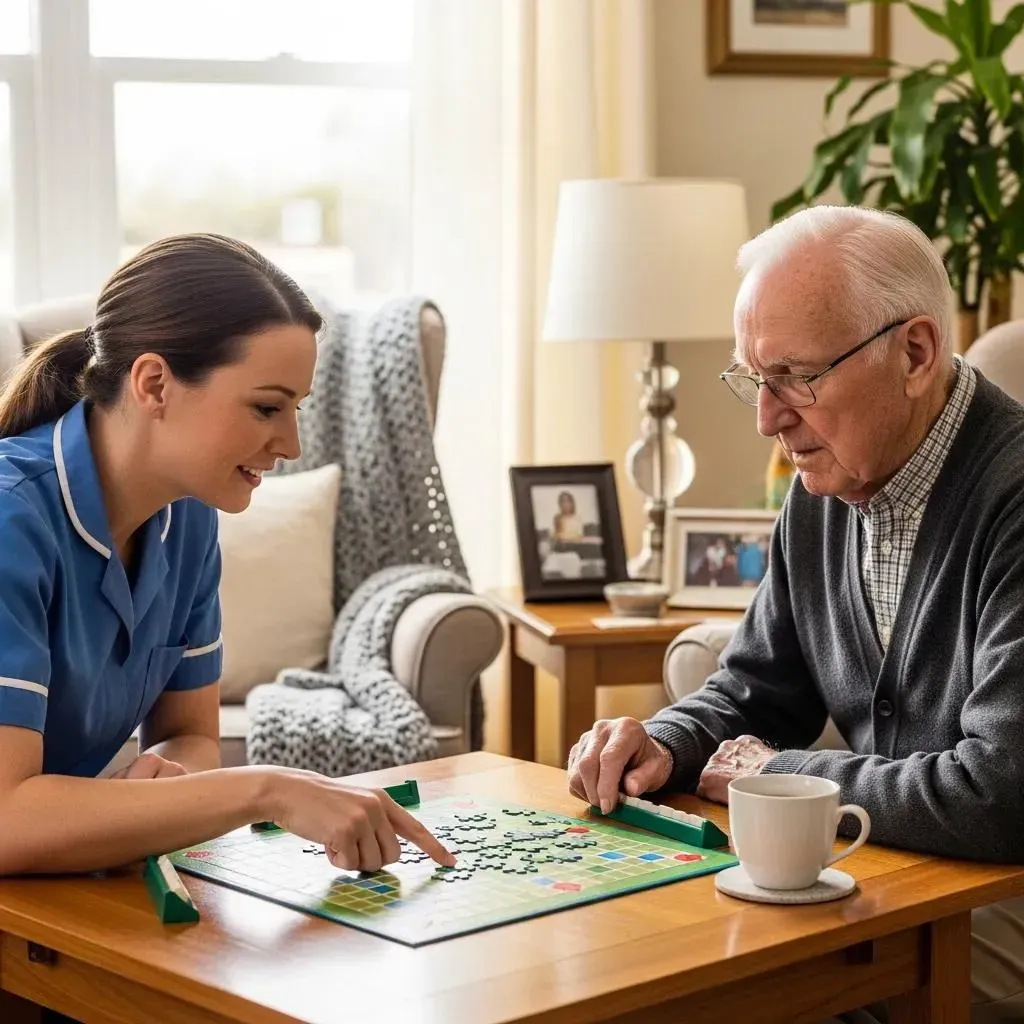
- Individualized attention: A caregiver who knows a person’s history and preferences can respond more gently and effectively. "Personalized care is not just a luxury; it's a necessity for individuals with dementia, leading to better engagement and reduced behavioral challenges," states Dr. Sarah Jenkins, a geriatric specialist.
- Activities tailored to interests: Meaningful, familiar activities help maintain skills and spark engagement.
- Consistent caregivers build trust: Regular, caring relationships improve communication and reduce distress.
This personalized approach supports better daily experiences and overall satisfaction with care.
How do costs compare between in‑home dementia care and memory care facilities?
Comparing costs means looking beyond headlines to the services you actually need. In‑home care can be more economical for many families—especially when facility pricing includes extra fees. A careful breakdown of hourly rates, overnight coverage, and add‑on services helps families plan and choose the best option. According to the 2023 Genworth Cost of Care Survey, the median annual cost for a private room in a memory care facility can exceed $100,000, while in-home care can often be more flexible and cost-effective depending on the hours needed.
Evidence suggests that supporting informal caregivers—through respite and community services—can lower costs and improve outcomes for people with dementia.
In‑home respite care: cost‑effectiveness & caregiver support for dementia
Frequent hospital stays and long‑term nursing home placement raise costs for families and for the health system. Community‑based respite and in‑home supports can help informal caregivers continue their role and may be cost‑effective. Ongoing studies aim to measure their full impact on outcomes and finances.
Effectiveness and cost-effectiveness of an in-home respite care program in supporting informal caregivers of people with dementia: design of a comparative study, K Putman, 2016
What are the typical cost components of in‑home dementia care in Philadelphia?
- Hourly rates: Care is often billed by the hour; rates vary with the caregiver’s training and the level of support needed. In Philadelphia, the average hourly rate for non-medical in-home care ranges from $25 to $35, with specialized dementia care often at the higher end.
- 24/7 care costs: Round‑the‑clock care raises costs significantly and, depending on needs, can approach facility pricing.
- Additional service fees: Transportation, meal prep, therapy sessions, and other extras may add to the total.
Knowing these line items helps families build a realistic budget for home care.
How do facility care fees and hidden charges affect overall expenses?
- Monthly base fees: Room and board alone can be a major part of facility costs and might not cover specialized services. The median monthly cost for memory care in Pennsylvania is approximately $8,000, which often does not include all necessary services.
- Extra charges for services: Physical therapy, medication management, and memory‑focused programs often cost more.
- Impact on family budgets: These add‑ons can make facility care more expensive than it first appears—so compare total costs, not just the base rate.
Reviewing both visible and hidden costs helps families assess their options and choose the most practical plan for their situation.
When is facility care more appropriate than in‑home dementia care?
In‑home care is a great option for many, but there are times when a memory care facility is safer or more practical. Knowing the signs that needs have outgrown what can be safely provided at home helps families act confidently and compassionately.
Which stages of Alzheimer’s and dementia require memory care facilities?
- Late‑stage Alzheimer’s: When around‑the‑clock medical supervision and advanced symptom management are necessary. The Alzheimer's Association identifies late-stage dementia as characterized by complete dependence on others for daily care, significant physical decline, and often the need for skilled nursing care.
- Severe cognitive decline: When behavior challenges or total dependence for daily tasks exceed what can be safely managed at home.
- Serious safety concerns: If a person repeatedly endangers themselves or others, a secure, staffed setting may be the safest choice.
Spotting these signs early gives families time to plan transitions that honor dignity and safety.
How do caregiver qualifications differ between in‑home and facility settings?
- Training for in‑home caregivers: Many in‑home caregivers receive focused dementia training and person‑centered communication techniques; licensing rules vary by state. Professional in-home care agencies often require caregivers to complete specialized training in dementia care, including communication techniques and behavioral management, exceeding basic state requirements.
- Facility staff qualifications: Memory care teams often include licensed nurses and certified nursing assistants with structured staffing and oversight.
- Effect on care quality: The mix of training, experience, and staffing levels directly shapes the consistency and scope of care—important factors when comparing options.
Understanding these differences helps families match care settings to clinical and safety needs.
How does Home Matters Caregiving provide specialized in‑home dementia care in Philadelphia?
Home Matters Caregiving focuses on compassionate, individualized in‑home care that respects each person’s history and routines. We combine trained caregivers with practical technology to keep clients safe, engaged, and connected to family. We also provide comprehensive live-in care in Philadelphia, West Chester, Phoenixville, and Chester, PA. We also offer specialized support for other conditions, including Parkinson's disease.
What unique services and technologies does Home Matters offer for safety?
- 24/7 monitoring tools: Systems that track activity and send alerts help caregivers respond quickly to concerns.
- Emergency response features: Fast access to emergency support gives families confidence in urgent situations.
- Proven safety protocols: Clear procedures and planning reduce risks and promote a secure home environment.
These capabilities work together to create a safer, more reliable in‑home care experience.
How does family involvement and support enhance care outcomes?
- Open communication: Regular updates and care planning between families and caregivers keep care aligned with personal preferences.
- Family support programs: Education, resources, and guidance help families feel more confident in their caregiving role.
- Positive impact on well‑being: When families stay involved, emotional support and familiarity boost a person’s daily comfort and resilience.
Working as a team ensures the person we care for receives consistent, compassionate support.
Frequently Asked Questions
What are the signs that in‑home care is becoming insufficient for a dementia patient?
Look for growing safety risks or care gaps: increased wandering, frequent falls, major weight loss, aggressive or unsafe behaviors, or when daily tasks can no longer be completed at home. If family caregivers are exhausted or unable to meet medical needs, it may be time to consider facility options. Professional assessments can help guide this decision. According to the National Institute on Aging, a significant increase in unmanageable behaviors or a decline in the caregiver's own health are critical indicators.
How can families ensure the quality of in‑home dementia care?
Stay involved: set clear expectations, maintain regular communication with caregivers, and ask for written care plans and progress notes. Verify training, background checks, and references. Regularly review the care plan with health professionals and adjust as needs change to keep care effective and person‑centered. The Home Care Association of America recommends checking for agency accreditation and ensuring caregivers receive ongoing specialized training in dementia care.
What types of technology can assist in in‑home dementia care?
Useful tools include wearable fall and location trackers, GPS systems for safety, remote monitoring platforms that record activity patterns, and smart‑home devices that provide reminders for medication and appointments. When chosen thoughtfully, technology supports safety and independence without replacing human connection. A report by Grand View Research projected the global smart home healthcare market to reach over $30 billion by 2028, driven by the demand for remote patient monitoring and elderly care solutions.
How can caregivers manage their own stress while providing in‑home dementia care?
Protecting your own health is essential. Use respite care, build a support network, join caregiver groups, and schedule regular breaks. Simple routines—sleep, exercise, and short daily self‑care—help sustain resilience. Don’t hesitate to ask for professional help when stress becomes overwhelming. The Family Caregiver Alliance notes that caregivers who utilize respite services report lower levels of stress and improved well-being.
What resources are available for families considering in‑home dementia care?
Families can turn to local support organizations, Alzheimer’s associations, community workshops, and online caregiver forums for education and connection. Geriatric care managers, social workers, and healthcare professionals can also offer assessments and referrals to trusted in‑home providers. The Eldercare Locator, a public service of the U.S. Administration on Aging, provides a national directory of resources for older adults and their families.
What should families look for when choosing an in‑home care provider?
Check caregiver training and experience with dementia, ask about background checks and supervision, review the agency’s communication practices, and confirm flexibility for changing needs. Interview caregivers, check references, and choose a provider that emphasizes dignity, consistency, and clear care planning. Consumer Reports advises families to prioritize agencies that offer comprehensive care plans, regular supervisory visits, and a clear process for addressing concerns.