
Alzheimer’s & Dementia Home Care in Philadelphia — A Practical Guide to In-Home Memory Care

Caring for a family member with Alzheimer’s or dementia can feel overwhelming. Globally, around 55 million people live with dementia, with nearly 10 million new cases each year, according to the World Health Organization (WHO). This guide explains how specialized in‑home memory care services work in Philadelphia, and what families should expect. We’ll walk through what these conditions look like, the types of support available at home, safety and technology options, and practical steps for finding and paying for care. Our goal is to help you make clear, confident decisions about compassionate care at home.
What Are Alzheimer’s and Dementia? Understanding Symptoms and Stages
Alzheimer’s and other forms of dementia are progressive brain conditions that affect thinking, memory, and daily function. Alzheimer’s is the most common form, marked by gradual loss of memory and other cognitive skills as brain cells decline. Knowing the symptoms and stages helps families plan and get the right support as needs change.
What Is Alzheimer’s Disease and How Does It Affect Seniors?
Alzheimer’s most often affects older adults and can slowly interfere with everyday life. It may start with small memory lapses and progress to difficulties speaking, recognizing familiar faces, and managing basic tasks. Today, about 6.7 million Americans aged 65 and older are living with Alzheimer’s. The Alzheimer's Association projects this number to rise to nearly 13.8 million by 2060, underscoring the growing need for effective care solutions. The Alzheimer's Association also estimates that in 2024, Alzheimer's and other dementias will cost the nation $360 billion, a figure projected to rise to nearly $1 trillion by 2050. This is why thoughtful care strategies are so important.
What Are the Common Symptoms and Stages of Dementia?
Dementia shows up differently from person to person. Common signs include memory loss, trouble solving problems, confusion about time or place, and shifts in mood or behavior. Clinically, dementia is often described in stages — early, middle, and late — that range from mild forgetfulness to a need for full‑time, hands‑on care in later stages. Despite the clear progression, diagnosing dementia can be complex; studies suggest that up to 50% of dementia cases may go undiagnosed or are diagnosed late, delaying access to crucial support and interventions.
How Does Specialized Dementia Care Work at Home in Philadelphia?
Specialized in‑home dementia care adapts support to the person’s abilities and routines. The focus is on keeping people safe, engaged, and comfortable in the familiar surroundings of home while easing the burden on families. Services are tailored — from short‑term visits to around‑the‑clock help — depending on the level of need.
Research shows coordinated, home‑based care can improve outcomes and delay transitions out of the home for people with memory disorders. AARP research consistently shows that a vast majority of older adults (around 77%) prefer to remain in their homes as they age, highlighting the importance of accessible in-home care options. This preference is reflected in the growing demand for in-home care services, with the global home healthcare market projected to reach over $600 billion by 2027, driven significantly by the needs of an aging population and those with chronic conditions like dementia.
Home-Based Dementia Care Coordination
A home-based dementia care coordination intervention delays time to transition from home and reduces unmet needs in elders with memory disorders.
A multidimensional home-based care coordination intervention for elders with memory disorders: the maximizing independence at home (MIND) pilot randomized trial, D Johnston, 2014
What Are Personalized Care Plans for Alzheimer’s and Dementia Patients?

Personalized care plans are the roadmap for safe, meaningful care. Built from an in‑home assessment, a plan lists daily routines, specific goals, and activities that support memory, mobility, and mood. Plans often include simple memory exercises, social time, and tailored physical activity based on personal history and preferences.
Studies highlight how dementia‑specific care plans and well‑trained home health aides make a real difference in care quality.
Dementia Care Plans & HHA Training Needs
The findings highlight the importance of developing dementia-specific care plans, and training to support the HHA workforce caring for persons with dementia.
Home health aide perceived information needs for dementia-specific care plans, ZT Osakwe, 2022
How Do Caregivers Assist with Daily Living and Memory Support?
Caregivers provide hands‑on help and emotional support. That includes bathing, dressing, preparing meals, managing medications, and using memory‑support techniques like reminiscence or structured activities to reduce anxiety and encourage engagement. Good caregivers look after safety while preserving dignity and familiar routines. The CDC reports that over 11 million Americans provide unpaid care for people with Alzheimer's or other dementias, contributing an estimated $339.5 billion in care annually.
To meet growing needs, training programs are expanding to better prepare in‑home caregivers for dementia care.
Online Training for In-Home Dementia Caregivers
most IHSS caregivers receive little or no training in dementia care. The Dementia Care Training Project, a 10-week, competency-based, dementia-specific online training program, was developed to address this gap.
Enhancing dementia knowledge and self-efficacy of in-home supportive services caregivers through online training, J Yeh, 2023
What Safety Measures and Environment Modifications Are Essential for In-Home Memory Care?
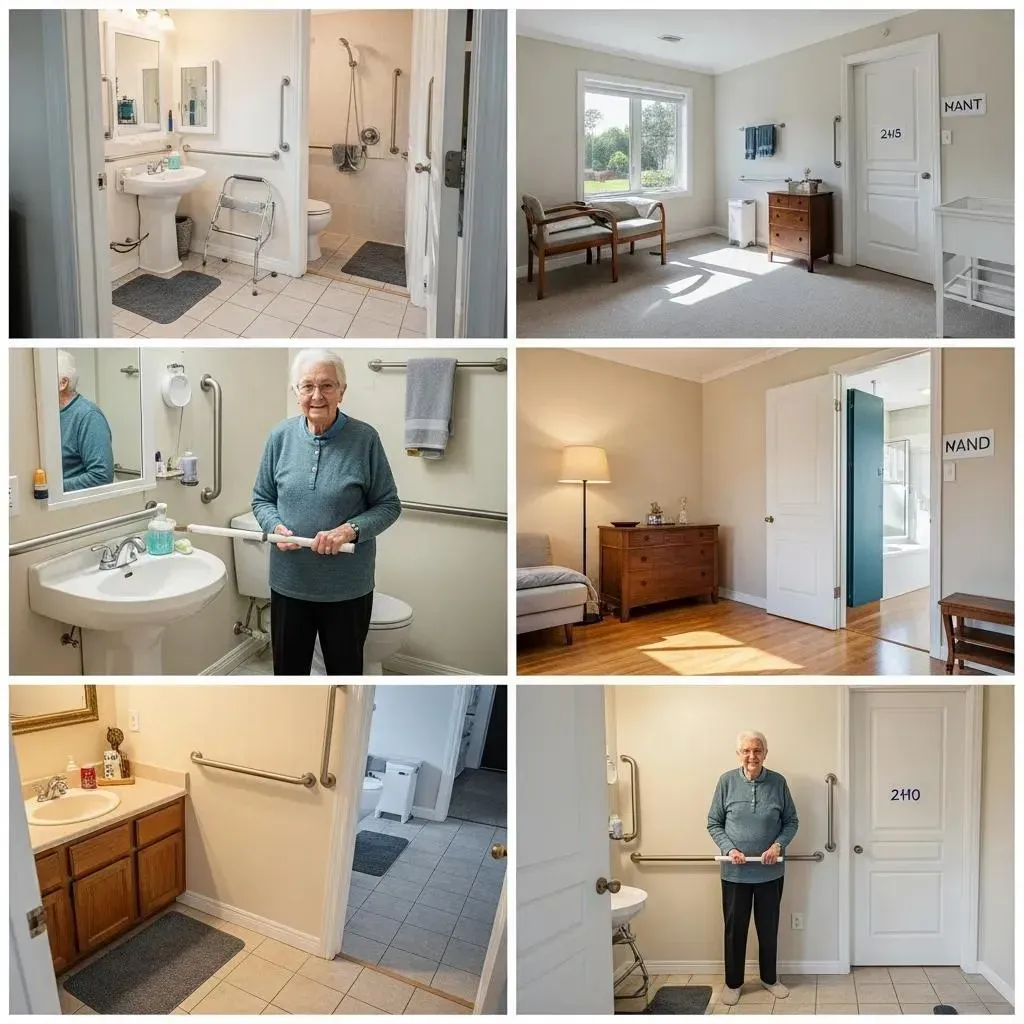
Making a home safer and easier to navigate helps reduce falls and confusion while supporting independence. Simple, practical changes can make a big difference for someone living with memory loss. Studies indicate that individuals with dementia are at a significantly higher risk of falls, with up to 80% experiencing at least one fall per year, compared to 30-50% of cognitively intact older adults. Home modifications can reduce this risk by up to 30%. For instance, simply improving lighting can reduce fall risk by up to 15%, while the installation of grab bars can prevent up to 60% of bathroom-related falls in older adults.
How Is the Home Environment Adapted for Alzheimer’s and Dementia Safety?
Typical adaptations include clearing tripping hazards, adding grab bars in bathrooms, using non‑slip mats, and improving lighting. Clear labels on doors and drawers, removing confusing patterns, and keeping frequently used items within reach all help the person move around with more confidence and less stress.
What Technology and Tools Support Safe Dementia Care at Home?
Practical technology can add valuable layers of safety: automatic medication dispensers, GPS location devices, and emergency response systems help families monitor and respond when needed. Alerts and reminders support medication adherence and can reduce preventable emergencies. Research published in the Journal of Medical Internet Research has shown that assistive technologies can significantly improve the safety and independence of people with dementia, reducing caregiver burden and delaying institutionalization.
How Can Families Access Alzheimer’s and Dementia Support Services in Philadelphia?
Finding local support matters. Philadelphia offers community groups, specialized providers, and educational resources to help families manage daily care and long‑term planning.
What Local Resources and Support Groups Are Available for Caregivers?
Local resources — like the Alzheimer’s Association and community support groups — offer education, caregiver training, and peer support. These services connect families with practical advice, emotional support, and programs that reduce isolation for both caregivers and those living with dementia. The Alzheimer's Association Delaware Valley Chapter, serving Philadelphia, reports assisting thousands of families annually through their helpline, support groups, and educational programs, providing crucial local support.
How Do Families Choose the Right Dementia Care Provider in Philadelphia?
Choosing a provider comes down to experience, training, and how well the team matches your loved one’s personality and needs. Ask about the provider’s dementia care approach, staff certifications, and whether they create individualized care plans. A good fit supports safety, dignity, and daily engagement.
What Are the Financial Considerations for In-Home Alzheimer’s and Dementia Care?
Costs for in‑home dementia care vary by required services and hours of support. Understanding payment options early helps families plan and avoid surprises as care needs change. The average annual cost of in-home care for a person with dementia can range from $50,000 to over $100,000, depending on the level of care needed, making financial planning a critical component of long-term care.
How Does Medicare and Medicaid Cover Dementia Home Care Services?
Medicare covers limited skilled nursing and certain therapies, but does not generally pay for long‑term custodial care. Medicaid can help cover personal care services for eligible individuals, with rules that vary by state. Families should review both programs and any state waivers that may apply.
What Payment Options and Financial Planning Are Available for Families?
Common payment paths include private pay, long‑term care insurance, VA benefits (if eligible), and state assistance programs. Talking with a financial planner or a care‑coordination specialist can help match benefits to care needs and stretch available resources.
What Are the Benefits of Choosing In-Home Alzheimer’s and Dementia Care Over Facility Care?
In‑home care keeps people in familiar surroundings, which often reduces confusion and stress. It also lets care centers focus on personal routines, favorite activities, and relationships — important elements for quality of life. As noted by the National Institute on Aging, maintaining a familiar environment can significantly reduce agitation and confusion in individuals with dementia, fostering a greater sense of security and well-being.
How Does In-Home Care Promote Independence and Comfort?
Staying at home helps people maintain familiar habits, sleep in their own bed, and keep meaningful daily rituals. Those comforts can improve mood and engagement, and often help people stay more independent for longer. Indeed, research indicates that individuals receiving home-based care experience significantly lower rates of hospital readmissions and emergency room visits compared to those in institutional settings, further underscoring the benefits of maintaining care at home.
What Peace of Mind Does Specialized Home Care Provide to Families?
Specialized home care reassures families that trained caregivers are watching for safety issues, managing medications, and keeping loved ones engaged. Regular caregiver updates and a clear care plan help families stay involved and confident in day‑to‑day decisions.
Below are common ways families pay for in‑home Alzheimer’s and dementia care.
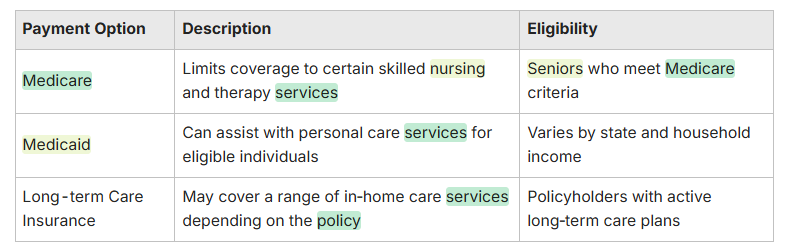
This table outlines typical financing options so families can compare what may be available to them.
In short, caring for someone with Alzheimer’s or dementia at home means recognizing changing needs, using personalized care plans, and tapping local resources to preserve quality of life. With the right support, families can keep loved ones safe, comfortable, and engaged in the place they know best. If you’d like guidance, our team is ready to help you explore in‑home care options tailored to your family’s needs.
Frequently Asked Questions
What qualifications should I look for in a caregiver for Alzheimer’s and dementia patients?
Look for caregivers with dementia‑specific training and practical experience. Certifications in dementia care, first aid, and CPR are helpful, as is hands‑on experience with memory support techniques. Ask about specialized training, references, and how they handle difficult behaviors. A caring, patient attitude and clear communication are just as important as formal credentials. The Bureau of Labor Statistics projects a 22% growth in home health and personal care aide jobs from 2022 to 2032, much faster than the average for all occupations, highlighting the increasing need for qualified professionals in this field.
How can I effectively communicate with someone who has Alzheimer’s or dementia?
Keep communication simple and respectful. Use short sentences, speak slowly, and give the person time to respond. Nonverbal cues — a calm tone, eye contact, and gentle touch — help a lot. Focus on one idea at a time and use familiar names and places to spark recognition. Above all, stay patient and reassuring.
What activities can help stimulate cognitive function in Alzheimer’s and dementia patients?
Activities that match interests and ability work best: simple puzzles, memory games, music, arts and crafts, and reminiscence about past experiences. Gentle exercise, like walking or chair movement, improves mood and health. Tailor activities to what the person enjoys to keep them engaged and successful.
What role do family members play in the care of someone with Alzheimer’s or dementia?
Family members are vital — they provide companionship, advocate for care, and help maintain routines that feel familiar. Families also coordinate services, monitor changes, and provide emotional support. Learning about the condition and joining support groups can make caregiving more effective and less isolating.
How can I ensure my home is safe for a loved one with dementia?
Start by removing trip hazards and clutter, adding grab bars in key areas, and improving lighting. Use non‑slip mats and label rooms or drawers to simplify navigation. Lock away dangerous items and medicines, and consider motion sensors or emergency systems for additional safety. Reassess the home as needs change.
What should I do if my loved one with dementia exhibits challenging behaviors?
Respond calmly and look for underlying causes like pain, fatigue, or confusion. Try redirection to a soothing activity and maintain a predictable routine. If behaviors persist or escalate, consult a healthcare professional for strategies or medication review. Support groups and respite care can also help caregivers manage stressful episodes.