What Is Non-Medical In-Home Care in Philadelphia? A Simple Guide for Families
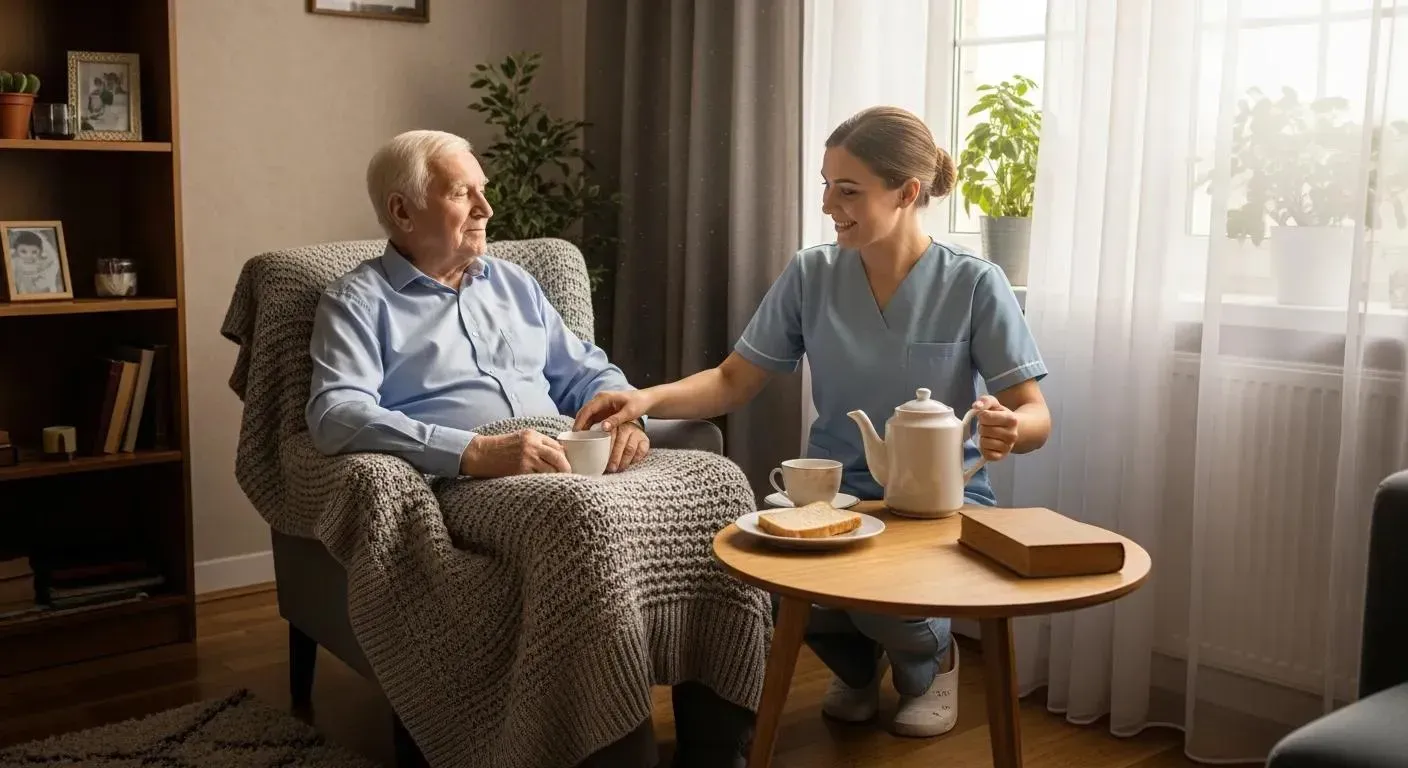
Making the decision to support an elderly loved one at home can be both emotional and overwhelming.
Non-medical in‑home care helps families support elderly loved ones at home. It includes help with daily activities, companionship, and keeping the home safe and comfortable. Understanding these options makes planning and managing care easier. This guide explains what non‑medical in‑home care covers, the services available, key benefits, tips for choosing a provider, and how home care services in Philadelphia from Home Matters Spa support families in the area.
Demand for home care is rising as the population ages and hospital capacity remains limited. According to the U.S. Census Bureau, by 2030, all baby boomers will be older than 65, expanding the size of the older population so that 1 in every 5 residents will be retirement age. This demographic shift is driving increased demand for home-based care services nationwide. The National Institute on Aging reports that nearly 90% of older adults want to remain in their homes as they age, underscoring the importance of accessible in-home care options.
Ageing Population & Demand for Home Nursing Care
Fewer hospital beds and an aging population have increased demand for home nursing. Little is known about the full scope of care these patients receive. This study aimed to identify the care, beyond primary health services, given to patients with primary-care home nursing and to examine how personal, social and functional factors affect use of specialised medical care.
The medical care of patients with primary care home nursing is complex and influenced by non-medical factors: a comprehensive retrospective study from a suburban ..., 2004
What Non-Medical In-Home Care Entails
Non‑medical in‑home care includes supportive services that help seniors stay independent at home. Typical help covers personal care, companionship, and assistance with everyday tasks. The goal is to improve quality of life by providing practical support in familiar surroundings so seniors feel secure and comfortable. According to the Centers for Medicare & Medicaid Services (CMS), non-medical care plays a critical role in enabling seniors to maintain their independence and reduce hospital readmissions.
In addition to basic assistance, non-medical in-home care often involves monitoring the senior’s environment for safety hazards, reminding them about appointments or daily routines, and providing emotional support during challenging times. Caregivers may also coordinate with family members and healthcare providers to ensure a holistic approach to the senior’s well-being. This comprehensive support helps prevent health complications and promotes a proactive approach to aging in place. Learn more about your care team and how they collaborate to provide seamless support.
Services Offered

Services vary but usually include:
| Service | Description | Benefits |
|---|---|---|
| Personal and companion care | Help with bathing, dressing, and grooming | Promotes hygiene and self-esteem |
| Companionship Services | Engaging in conversation and activities | Reduces feelings of loneliness and isolation |
| Additional home care services | Light housekeeping, meal preparation, and laundry | Ensures a clean and safe living environment |
Care plans are personalized care plans tailored to each individual and can be adjusted as needs change. The National Institute on Aging highlights that personalized care plans improve outcomes by addressing unique health and lifestyle needs. Furthermore, a 2021 study published in the Journal of Aging & Health found that tailored in-home care significantly enhances seniors' physical and emotional well-being.
Additional services may include transportation to appointments, medication reminders (without administration), assistance with pet care, and help managing household finances or correspondence. These extended services support seniors in maintaining their daily routines and independence, reducing the burden on family caregivers and improving overall quality of life.
Benefits of Non-Medical In-Home Care
Non‑medical in‑home care delivers clear benefits for seniors and families. Key advantages include:
- Independence for Seniors: Seniors can remain in their own homes, maintaining autonomy while receiving the support they need. Studies show that 90% of seniors prefer to age in place rather than move to assisted living facilities. The AARP Public Policy Institute reports that aging in place is associated with better health outcomes and higher satisfaction.
- Safety Improvements: Caregivers help prevent accidents by assisting with mobility and daily tasks, creating a safer living environment. The Centers for Disease Control and Prevention (CDC) reports that falls are the leading cause of injury among older adults, and proper in-home support can reduce this risk significantly. Research indicates that home modifications and caregiver assistance can reduce fall risk by up to 30%. Learn more about fall prevention strategies offered by Home Matters Spa.
- Social Engagement Benefits: Companionship services provide emotional support and social interaction, both crucial for mental well-being, especially for seniors who may feel isolated while aging at home. Research published in the Journal of Gerontology found that social isolation increases the risk of mortality by 29% (Holt-Lunstad et al., 2014). The National Institute on Mental Health emphasizes that social engagement reduces depression and cognitive decline in seniors. Learn how senior companionship services help seniors stay socially connected at home while maintaining independence and emotional wellness.
- Reduced Healthcare Costs: According to a 2020 report by the National Alliance for Caregiving, in-home care can reduce hospital stays and delay the need for costly institutional care, saving families and healthcare systems significant expenses. The report estimates that in-home care can save up to $15,000 annually per individual compared to nursing home care.
- Emotional and Mental Health Support: Regular interaction with caregivers helps reduce anxiety and depression often experienced by seniors living alone. This emotional support is vital for maintaining cognitive function and overall happiness. A study in the American Journal of Geriatric Psychiatry found that consistent caregiver support lowers rates of depression by 25% in elderly populations.
- Relief for Family Caregivers: Non-medical in-home care provides respite for family members, reducing caregiver burnout and stress. This support allows families to maintain healthier relationships and better manage their own responsibilities. The Family Caregiver Alliance reports that respite care reduces caregiver stress and improves patient outcomes.
Home Matters Spa provides personalised, compassionate care focused on these outcomes to help families manage the challenges of caring for loved ones.
Research shows non‑medical home support helps seniors maintain independence while aging in place.
Aging in Place: Non-Medical Home Support & Independence
Some older adults who age at home are praised for planning ahead, while others who receive home support face stigma. This thematic analysis challenges the idea that home care clients are passive. It shows how clients actively work to receive care as they age in place, engaging in daily tasks and advocating for themselves.
Ageing in place with non-medical home support services need not translate into dependence,
K Kuryk, 2025
Tips for Choosing the Right Provider

Choosing the right provider matters. Consider these steps:
- Assessing Needs: Determine the specific needs of your loved one, including the level of assistance required and any special considerations. The National Caregivers Library recommends a thorough needs assessment to ensure appropriate care planning.
- Researching Providers: Look for agencies with positive reviews and a strong reputation in the community. Verify credentials and relevant experience. According to the Better Business Bureau, checking accreditation and complaint history is essential. Learn more about Home Matters Spa’s background and values.
- Interviewing Caregivers: Meet potential caregivers to assess compatibility with your loved one and find someone who can build a trusting relationship. The Family Caregiver Alliance emphasizes the importance of caregiver-client rapport for successful care.
- Evaluating Communication and Responsiveness: Ensure the provider offers clear communication channels and responds promptly to questions or concerns. Good communication is key to adapting care plans as needs evolve.
- Understanding Policies and Procedures: Review the provider’s policies on caregiver training, background checks, emergency protocols, and quality assurance to ensure high standards of care.
Following these steps helps families make informed choices and improve care outcomes. To learn more about your care team and how we work, visit our website.
At Home Matters Spa, we tailor care to each person's needs. We offer 1-on-1 personalized care so your loved one gets focused attention and consistent support.
For creative ways to support aging loved ones, Home Matters Spa provides innovative care options designed to enhance quality of life. We're committed to delivering the best possible care for your family.
Frequently Asked Questions
What qualifications should I look for in a non-medical in-home caregiver?
Check training, certifications in personal care, and experience with older adults. Ask about experience with specific needs like mobility or companionship. Request references and confirm the caregiver's communication skills and ability to build rapport with your loved one. The National Association for Home Care & Hospice (NAHC) recommends verifying background checks and ongoing education.
How can non-medical in-home care improve my loved one's quality of life?
Care helps seniors keep routines and stay comfortable at home. Caregivers support daily tasks, encourage social interaction, and reduce loneliness. They also assist with mobility and safety, lowering the risk of accidents and supporting mental and emotional well‑being. According to a study by the University of Michigan, seniors receiving in-home support report higher satisfaction and lower depression rates.
Are there specific services that are not included in non-medical in-home care?
Non‑medical care does not include medical tasks such as administering medications, wound care, or procedures that require a licensed healthcare professional. Services like physical therapy or skilled nursing are also outside its scope. Confirm the limits of non‑medical care with your provider and involve medical professionals when necessary. The Centers for Medicare & Medicaid Services (CMS) outlines these distinctions clearly.
How do I know if my loved one needs non-medical in-home care?
Look for difficulty with bathing, dressing, or meal preparation, plus signs of loneliness or changes in hygiene, nutrition, or home safety. If they request companionship or help, non‑medical in‑home care can provide support while allowing them to remain at home. The Alzheimer's Association notes that early intervention with home care can delay the need for institutional care.
What is the cost of non-medical in-home care services?
Costs vary by location, level of care required, and services provided. On average, families can expect hourly rates ranging from $20 to $40, depending on caregiver experience and agency reputation. Some providers offer package deals or discounts for long-term commitments. Discuss pricing and any extra fees upfront to plan your budget. Genworth's Cost of Care Survey provides detailed regional cost comparisons.
Can non-medical in-home care be customized to meet specific needs?
Yes. Non‑medical in‑home care is highly customizable. Care plans are built around individual needs, routines, and preferences, and caregivers can adjust services as those needs change. Open communication with the provider keeps the plan aligned with your loved one's evolving needs. The Home Care Association of America emphasizes the importance of flexible care plans for optimal outcomes.
Ready to Learn More About Non-Medical In-Home Care in Philadelphia?
If you’re considering non-medical in-home care for your loved one, contact our care team at Home Matters Spa to discuss personalized options tailored to your family’s needs. Our compassionate professionals are here to guide you every step of the way.