
Personal Care Assistance in Philadelphia: What Services Are Usually Included?
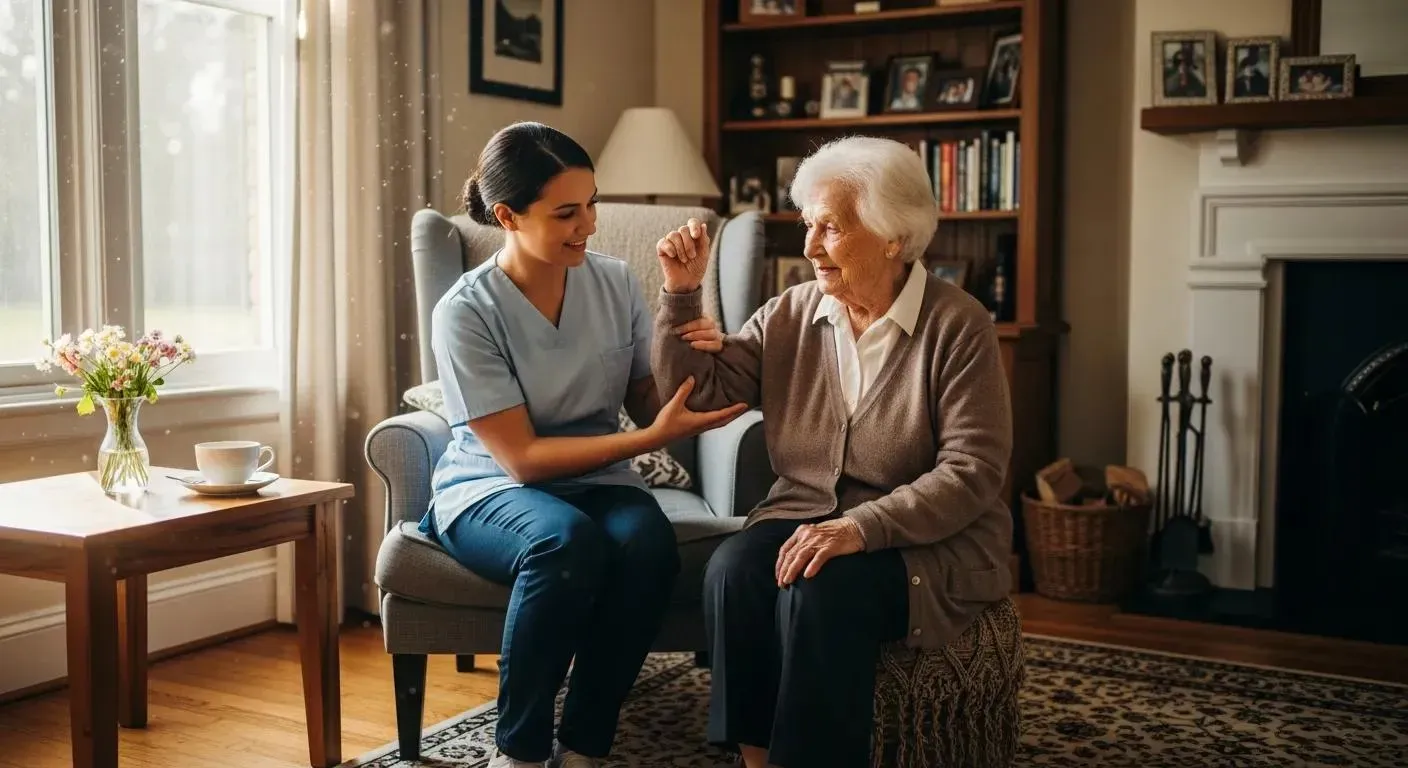
Personal care assistance in Philadelphia helps seniors and people with disabilities remain independent by meeting daily needs. According to the National Institute on Aging, nearly 70% of people over age 65 will require some form of long-term care during their lifetime, highlighting the importance of accessible personal care services. The U.S. Census Bureau projects that by 2030, one in five Americans will be over 65, increasing demand for these services. This article summarizes common services, basic eligibility, and how in-home support can improve quality of life so families can make informed decisions. For comprehensive information on available options, visit home care services in Philadelphia.
Typical Services Offered
Personal care covers everyday tasks. Common offerings include:
- Assistance with Daily Activities: Help with bathing, dressing, and grooming to maintain hygiene and comfort. These services are part of personal and companion care offerings.
- Meal Preparation and Nutrition Support: Preparing nutritious meals suited to dietary needs. The Centers for Disease Control and Prevention (CDC) reports that malnutrition affects approximately 1 in 3 older adults, making tailored meal support critical for preventing complications such as weakened immunity and delayed recovery.
- Mobility and Transfer Assistance: Safe support for moving around the home and transfers to reduce fall risk. Falls are the leading cause of injury among seniors, with one in four adults over 65 experiencing a fall each year, according to the CDC. The CDC also notes that falls result in over 3 million emergency department visits annually among older adults. For strategies and support, see fall prevention resources.
Home Matters Spa develops care plans to match each client's needs and level of support, ensuring evidence-based practices are followed.
Eligibility Criteria
Programs usually require basic eligibility checks. Typical criteria include:
- Age Requirements: Many services target seniors (commonly age 60+), consistent with guidelines from the Administration for Community Living, which supports aging in place.
- Health Needs: Demonstrated need for help with daily living due to health or disability, as assessed by healthcare professionals. The National Council on Aging emphasizes that early assessment can improve care outcomes.
- Homebound Status: Some services are for those who cannot easily leave home, aligning with Medicare’s home health eligibility criteria.
Understanding these criteria helps families navigate applications and referrals effectively. For answers to common questions about eligibility and services, visit our FAQs.
Support for Daily Living Needs
Personal care can support independence, improve safety, and reduce isolation. Key benefits include:
- Enhancing Independence: Assistance allows people to remain in familiar surroundings, which research from the American Journal of Alzheimer's Disease & Other Dementias shows can improve cognitive function and emotional well-being.
- Improving Safety: Caregivers help reduce accidents and fall risk, which is crucial since falls account for over 3 million emergency department visits annually among older adults. Learn more about safety measures through our fall prevention services.
- Promoting Emotional Well-Being: Regular contact and companionship can ease loneliness, a condition linked to increased risk of depression and cognitive decline, as reported by the AARP Foundation. These aspects are included in our personal and companion care programs.
Integrating personal care into routines often improves overall well‑being and quality of life.
What Are the Core Personal Care Services Offered in Philadelphia?
Core services typically include:
- Personal Care Assistance: Bathing, grooming and dressing support, part of our personal and companion care offerings.
- Meal Preparation: Cooking and meal planning to meet dietary needs.
- Companionship Services: Social interaction and emotional support, which studies have shown to reduce feelings of isolation and improve mental health, according to research published by the National Institute on Aging.
These services help preserve dignity and daily quality of life.
Write for me
Based on entire block
Quota 42/99999
How Does Bathing and Grooming Support Daily Hygiene?
Bathing and grooming prevent skin issues and support overall health. Caregivers provide safe assistance with showering, hair care and oral hygiene so clients stay clean, comfortable and socially confident. The National Institute on Aging emphasizes that maintaining hygiene is essential for preventing infections and promoting self-esteem among seniors. These services are included in our personal and companion care programs.
What Mobility Help Services Are Available for Seniors?
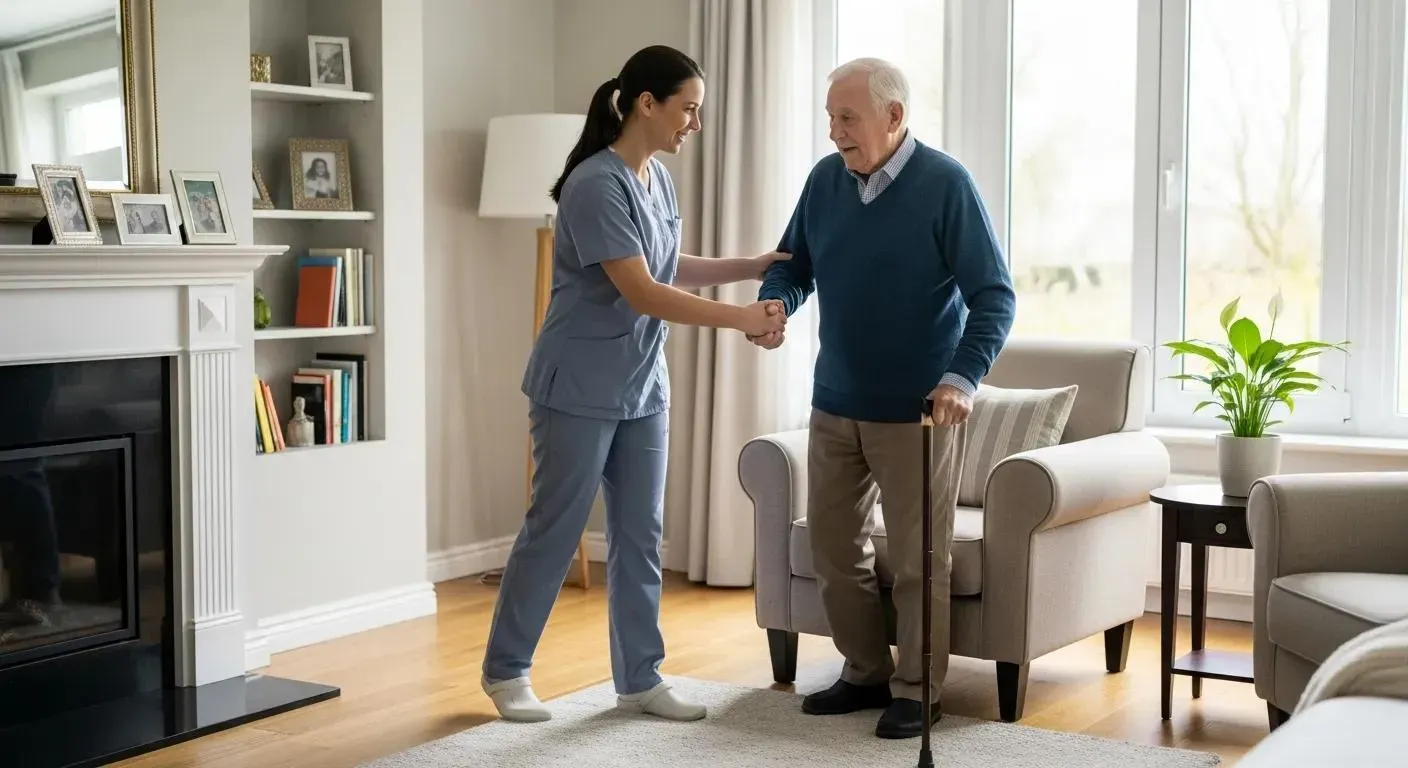
Mobility services include:
- Mobility and Transfer Assistance: Help moving safely within the home and transferring between surfaces, supported by our fall prevention initiatives.
- Use of Mobility Aids: Guidance on walkers, canes and other devices, which the CDC notes can reduce fall risk by up to 40% when used properly.
- Transportation Assistance: Help arranging rides for appointments or activities, supporting continued community engagement.
Proper mobility support reduces fall risk and promotes activity, which is linked to better physical and mental health outcomes.
How Does In-Home Personal Care Address Medication and Meal Support?
In-home caregivers provide practical medication and meal support to maintain health:
- Medication Management: Reminders and simple administration to encourage adherence. According to the World Health Organization, medication non-adherence causes nearly 50% of treatment failures, leading to increased hospitalizations and healthcare costs. Our medication assistance services focus on this critical need.
- Meal Preparation: Meals tailored to dietary restrictions and preferences, which can improve chronic disease management and reduce malnutrition risks.
These services help clients stay safe and comfortable at home.
What Are Medication Reminder Services and Their Benefits?
Medication reminders promote consistent dosing and reduce complications. Benefits include:
- Improved Adherence: Timely reminders help prevent missed doses, which can reduce hospitalizations by up to 30%, according to studies in the Journal of the American Geriatrics Society.
- Peace of Mind for Families: Families feel reassured knowing schedules are followed.
- Customized Support: Reminders and checks can be tailored to individual needs.
Reminder services are particularly helpful for clients managing multiple medications.
How Is Meal Support Tailored for Elderly Care Assistance?
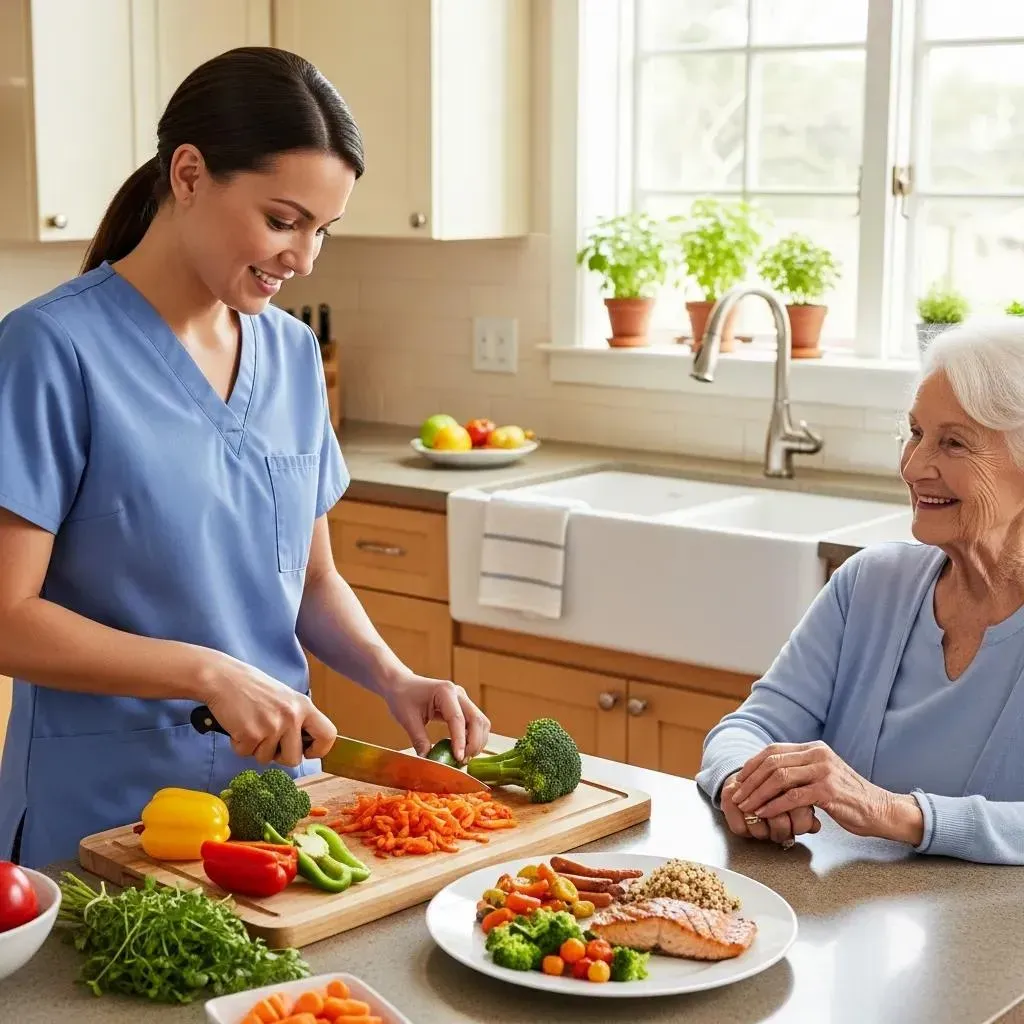
Meal support focuses on nutrition and convenience:
- Meal Planning: Creating menus that account for health conditions and tastes.
- Dietary Considerations: Emphasis on balanced, nutrient‑appropriate meals, which the Academy of Nutrition and Dietetics recommends for managing chronic conditions such as diabetes and heart disease.
- Service Delivery: Meals prepared or delivered for clients with mobility limits.
Tailored meal support helps seniors stay nourished and enjoy their food, contributing to better health outcomes and reduced hospital readmissions.
Who Qualifies for Personal Care Assistance in Philadelphia?
Typical qualifiers include:
- Medicare Enrollment: Many clients use Medicare or related programs, which cover certain personal care services under specific conditions, as outlined by the Centers for Medicare & Medicaid Services (CMS).
- Homebound Status: Demonstrated difficulty leaving home may be required, consistent with Medicare and Medicaid guidelines.
- Non-Medical Assistance Limitations: Services are for daily living support rather than skilled medical care.
Checking eligibility early helps families access appropriate services. For more details, see our FAQs.
How Can Clients Request 1-on-1 Personalized Care?
Requesting personalized care usually follows a clear process:
- Initial Assessment: A caregiver evaluates needs and preferences, often using standardized tools such as the Katz Index of Independence in Activities of Daily Living, which is widely recognized for assessing functional status.
- Developing a Personalized Care Plan: A tailored plan addresses daily tasks and goals, available through our 1-on-1 personalized care services.
- Ongoing Communication: Regular check-ins keep the plan effective and responsive.
The process is designed to be straightforward and client‑centered, ensuring high satisfaction rates reported in client surveys.
Why Choose Home Matters Spa for Personalized Home Care Services?
Home Matters Spa offers:
- Personalized Care Plans: Tailored to each client's needs and preferences, supported by evidence-based practices.
- Comfort of Home: Services delivered in familiar surroundings, which research shows can reduce stress and improve recovery, according to studies in the American Journal of Alzheimer's Disease & Other Dementias.
- Trained Caregivers: Staff trained to provide compassionate, reliable care, with ongoing education and background checks, meeting standards recommended by the National Association for Home Care & Hospice.
These elements support positive outcomes for clients and families.
What Innovative Care Options Does Home Matters Spa Provide?
Home Matters Spa also offers holistic services to complement personal care:
- Luxurious Massages: Therapeutic sessions for relaxation and comfort, which studies link to reduced pain and anxiety, as reported by the American Massage Therapy Association.
- Rejuvenating Facials: Skincare treatments to promote wellbeing.
- Holistic Wellness Services: Options aimed at physical and emotional health, supporting overall quality of life. Learn more about these offerings on our innovative care options page.
These services broaden care to include comfort and wellness.
How Do Client Testimonials Reflect Service Quality?
Testimonials often note:
- Dependability of Caregivers: Reliability and professionalism.
- Communication with Families: Clear updates and responsiveness.
- Quality of Care: Positive outcomes and satisfied clients.
Feedback highlights the team's commitment to consistent, compassionate service.
For more information about personal care assistance, reach out to Home Matters Spa.
At Home Matters Spa, we understand the importance of 1-on-1 personalized care and provide tailored support for each client.
If you'd like to learn more about us or explore our innovative care options, please contact our team.
Home Matters Spa also provides resources such as your aging coach to help families navigate aging-related challenges.
Frequently Asked Questions
What types of caregivers are available for personal care assistance?
Care is typically provided by trained caregivers such as CNAs, home health aides, or personal care aides. They assist with daily tasks and undergo background checks and basic training; families should ask about qualifications to find the right fit. According to the Bureau of Labor Statistics, employment of personal care aides is projected to grow 33% from 2020 to 2030, reflecting increasing demand.
How can families assess the quality of personal care services?
Assess quality by reading testimonials, checking ratings, requesting references, and observing caregiver interactions. Ask about training, continuing education, and communication policies to evaluate professionalism and fit. The Joint Commission recommends verifying accreditation and compliance with care standards.
Are there financial assistance options for personal care services?
Options can include Medicaid (for eligible individuals), long‑term care insurance, and local programs or non-profits. Families should explore these resources and consult advisers or social workers for guidance. The National Council on Aging provides a comprehensive guide to financial aid for elder care.
What should families consider when creating a care plan?
Consider the individual's daily needs, health conditions, mobility, and preferences. Involve the person in planning, set service frequency, address dietary and medication needs, and review the plan regularly. Personalized care plans have been shown to improve client satisfaction and health outcomes.
How can personal care assistance improve mental health for seniors?
Personal care provides companionship, reduces isolation, and encourages engagement in meaningful activities, which supports emotional well‑being and can improve mood and overall mental health. The AARP reports that social isolation increases the risk of dementia and depression among older adults.
What are the differences between personal care and home health care services?
Personal care focuses on daily living tasks (bathing, dressing, meals) and companionship. Home health care involves skilled medical professionals who provide medical treatment, monitoring, and rehabilitation. Choose based on medical needs versus daily support needs. The Centers for Medicare & Medicaid Services (CMS) provides clear guidelines distinguishing these services.