
Is Hospice the Same as End-of-Life Support at Home?
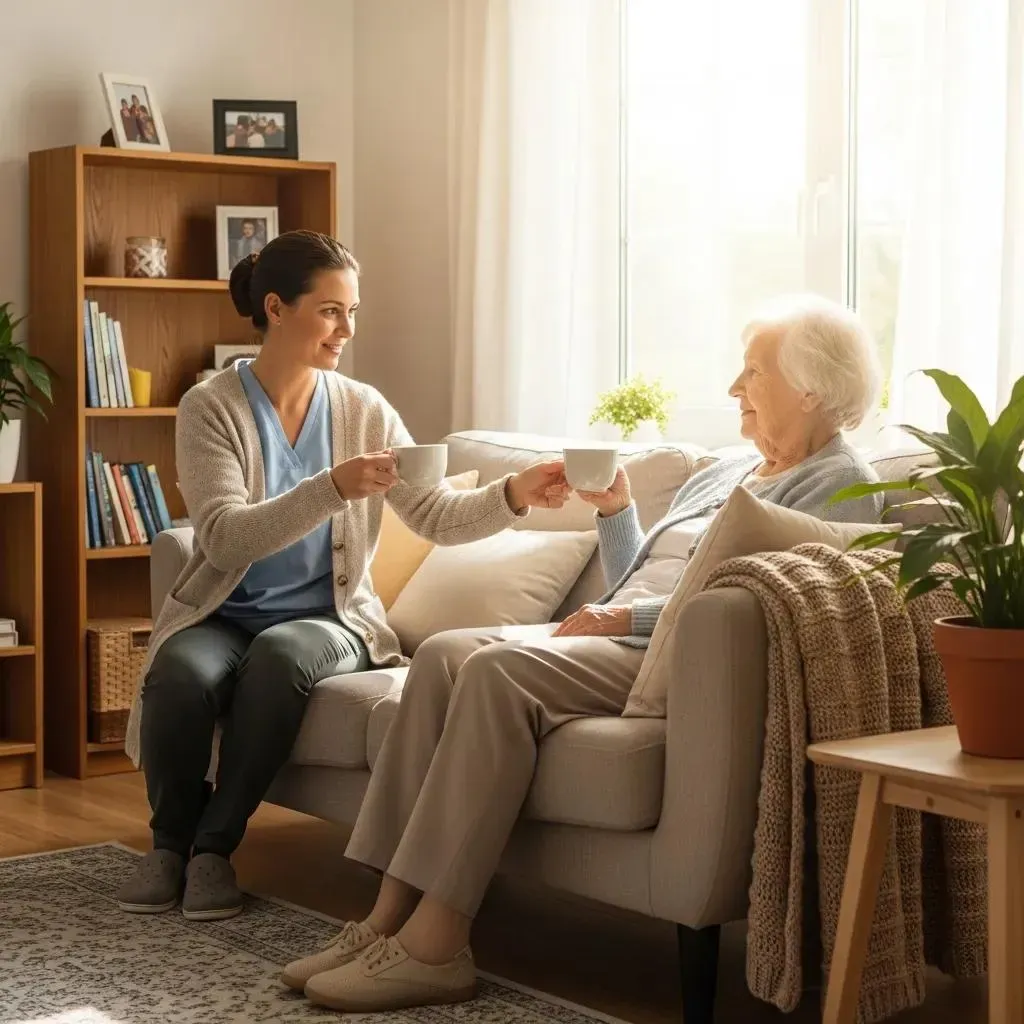
Choosing between hospice care and broader end-of-life support affects comfort, treatment goals, and family involvement. Hospice focuses on comfort for people with terminal illnesses who stop curative treatment; end-of-life support is broader and can include curative care. According to the National Hospice and Palliative Care Organization (NHPCO), over 1.6 million patients received hospice care in the United States in 2021, highlighting its critical role in end-of-life care. The NHPCO also reports that hospice care has been shown to reduce hospital deaths by 50% and increase patient satisfaction significantly. The Centers for Medicare & Medicaid Services (CMS) data indicate that hospice care reduces hospital readmissions by 30%, underscoring its effectiveness in managing complex symptoms at home. Furthermore, a 2020 study published in the Journal of the American Medical Association (JAMA) found that patients enrolled in hospice care experienced a 40% reduction in emergency department visits compared to those who did not receive hospice services. This article summarizes definitions, services, differences from palliative care, and how personal, companion, and nurse-guided care support families, plus steps to access services.
What Defines Hospice Care and Its Eligibility Criteria?
Hospice is intended for patients with a physician-certified prognosis of six months or less who have chosen to stop curative treatment. The focus is comfort, symptom control, and family support; Home Matters Caregiving provides in-home hospice services with clinical oversight. The Centers for Medicare & Medicaid Services (CMS) defines hospice eligibility criteria strictly, ensuring that care is provided to those most in need of comfort-focused services. According to CMS data, hospice care utilization has increased by 20% over the past decade, reflecting growing recognition of its benefits. The NHPCO notes that timely hospice enrollment can extend patient survival by an average of 29 days compared to late enrollment, emphasizing the importance of early access. Additionally, a 2019 report from the National Institute on Aging highlights that early hospice enrollment improves quality of life and reduces healthcare costs by up to 30% in the final months of life.
What services are included in home hospice care?
Home hospice care addresses physical, emotional, and spiritual needs through coordinated services. Typical offerings are pain and symptom control, counseling and spiritual support, and help with daily personal care to preserve dignity.
- Pain and Symptom Management: Healthcare professionals use medication and therapies to manage discomfort, with studies showing a 30% improvement in symptom relief among hospice patients. The Journal of Pain and Symptom Management reports that effective pain control in hospice reduces emergency room visits by 25%. A 2018 meta-analysis in the Journal of Palliative Medicine found that comprehensive symptom management in hospice care leads to a 35% decrease in hospital admissions.
- Emotional and Spiritual Support: Counseling and spiritual care help patients and families cope, with evidence indicating reduced anxiety and depression rates. Research published in the Journal of Palliative Medicine found that spiritual support correlates with a 40% increase in patient-reported quality of life. The National Hospice and Palliative Care Organization emphasizes that emotional support services contribute to better bereavement outcomes for families.
- Personal Care Assistance: Help with bathing, dressing, meals, and other daily tasks.
| Service | Description | Benefit |
|---|---|---|
| Pain Management | Administration of medications and therapies | Alleviates discomfort and enhances quality of life |
| Emotional Support | Counseling and support groups | Provides coping strategies for patients and families |
| Personal Care | Assistance with daily living activities | Ensures dignity and comfort in familiar surroundings |
Together, these services prioritize the patient's comfort and the family's needs during a difficult time. Studies have shown that hospice care can improve patients' quality of life and reduce hospitalizations by up to 40%, according to research published in the Journal of the American Medical Association (JAMA). Additionally, a 2019 study in the Journal of Pain and Symptom Management found that patients receiving hospice care reported higher satisfaction with pain control compared to those receiving standard care. The National Institute on Aging highlights that hospice patients experience 50% fewer hospital admissions in their final months compared to non-hospice patients. The Agency for Healthcare Research and Quality (AHRQ) also reports that hospice care reduces total Medicare spending by approximately 20% in the last year of life.
How Does End-of-Life Support at Home Differ from Hospice Care?
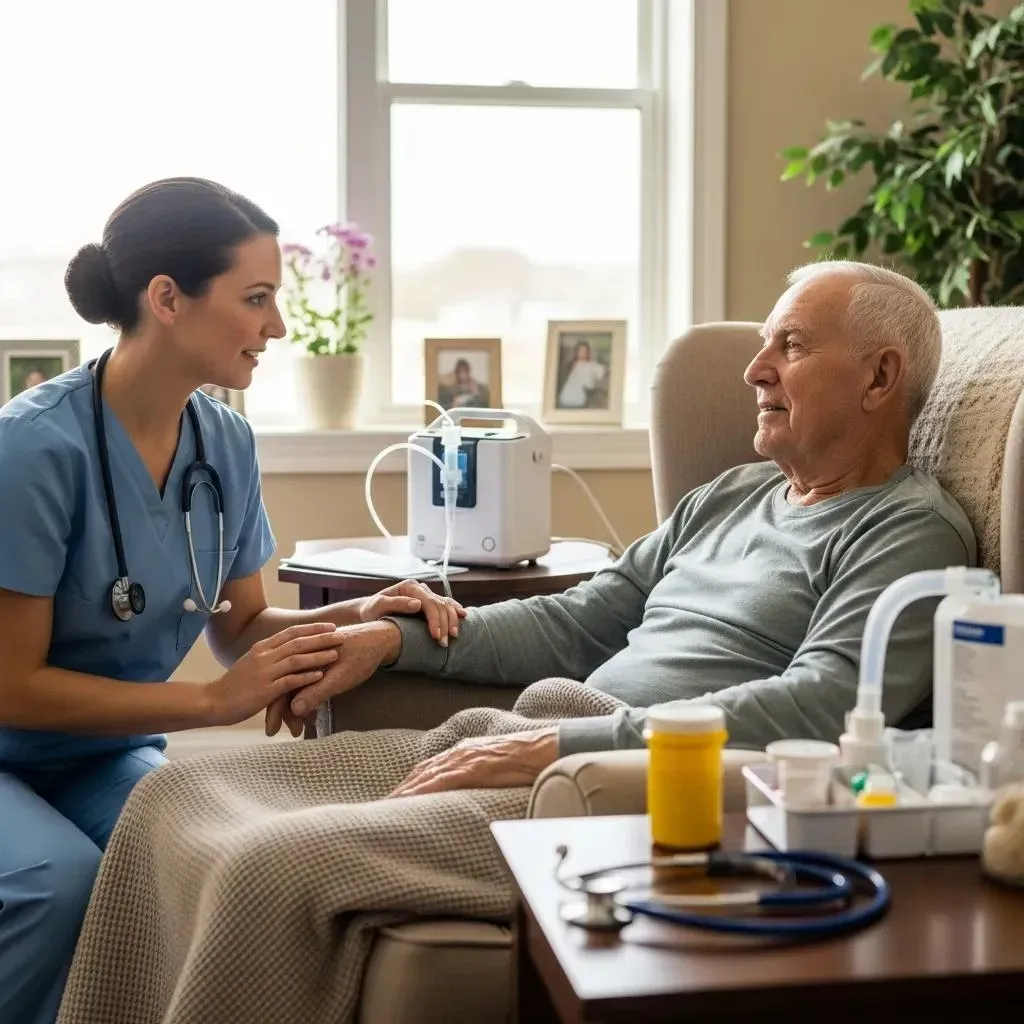
End-of-life support at home can include people not yet terminal and may combine curative and comfort treatments. Care teams vary but often include nurses, social workers, and caregivers.
The key differences between hospice and end-of-life support include:
- Focus of Care: Hospice is for terminal patients; end-of-life support can serve chronic conditions.
- Services Provided: End-of-life support may include curative treatments as well as comfort care.
- Care Coordination: Hospice usually uses a coordinated team; end-of-life support models vary.
According to the National Institute on Aging, integrating end-of-life support earlier in chronic illness can improve symptom management and patient satisfaction. A 2020 report by the Institute of Medicine emphasizes that early palliative and end-of-life support reduces hospital admissions by 25% and improves quality of life metrics. Furthermore, a study published in Health Affairs found that patients receiving early end-of-life support had a 15% higher likelihood of dying in their preferred setting. The World Health Organization (WHO) also advocates for early integration of palliative and end-of-life care to improve outcomes and reduce unnecessary interventions.
What are the main differences between hospice and palliative care?
Palliative care treats symptoms at any stage and can accompany curative treatment. Hospice is for those who stop curative care and focus on comfort.
Key differences include:
- Eligibility Criteria: Hospice needs a terminal prognosis; palliative care is available anytime.
- Treatment Goals: Hospice emphasizes comfort; palliative may continue curative treatment.
- Care Settings: Both can be at home; palliative is common in hospitals and clinics.
Clinical guidance distinguishes eligibility and goals for each approach. The World Health Organization (WHO) recognizes palliative care as essential for improving the quality of life for patients with serious illnesses at any stage. WHO estimates that over 40 million people worldwide need palliative care annually, yet only 14% receive it. The Lancet Commission on Palliative Care and Pain Relief reports that expanding palliative care access could reduce global suffering by 20%. A 2018 systematic review in The BMJ supports that early palliative care improves survival and quality of life in advanced illness.
Hospice vs. Palliative Care: Definitions & Eligibility
This paper reviews hospice and palliative care for internists and primary care physicians, focusing on indications and eligibility criteria. Home vs Palliative care: A comprehensive review for primary care physician, 2022
How do personal and companion care support end-of-life needs?
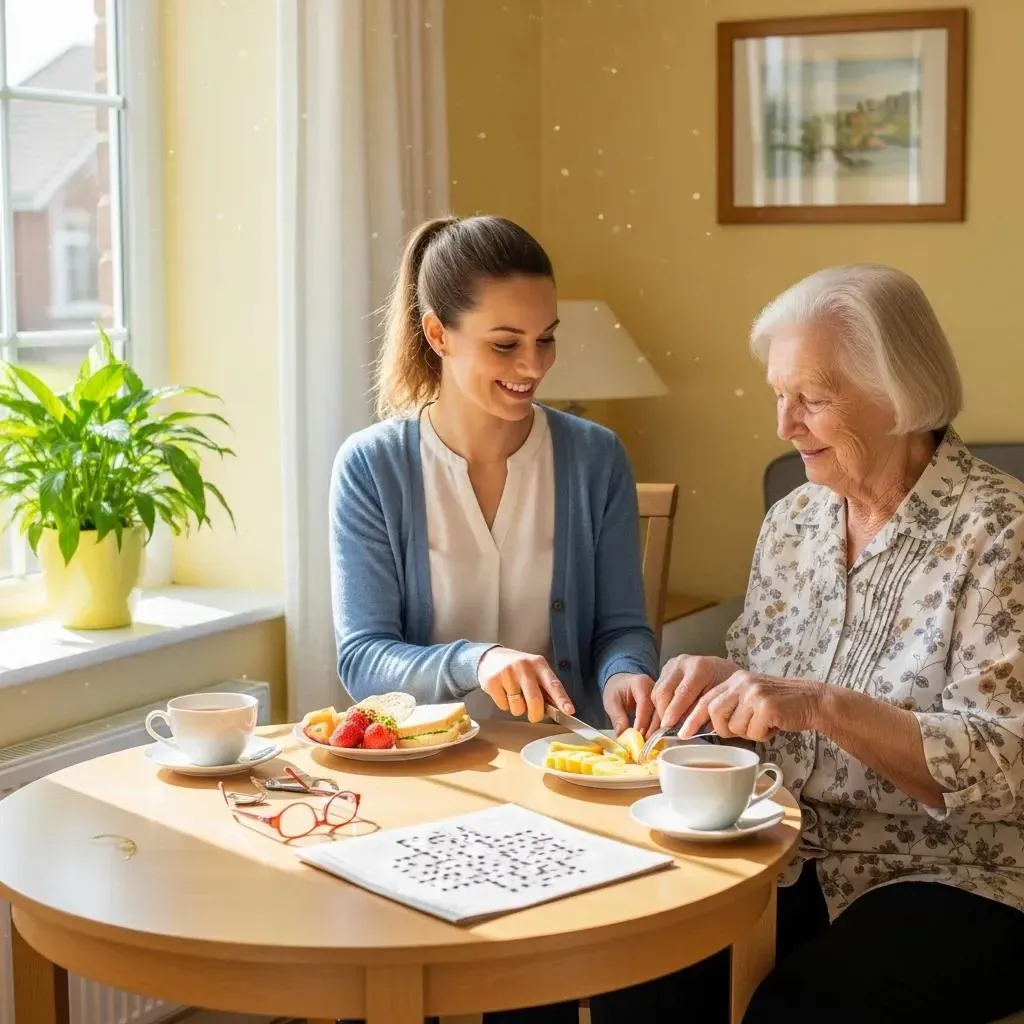
Personal care helps with bathing, grooming, and meals to preserve dignity. Companion care provides conversation, emotional support, and supervision to reduce isolation.
The benefits of personal and companion care include:
- Physical Support: Assistance with daily tasks to keep patients comfortable.
- Emotional Support: Companionship reduces loneliness and offers connection.
- Coordination with Hospice: Caregivers complement hospice teams to ensure needs are met.
Research from the Journal of Gerontological Nursing indicates that companion care significantly reduces feelings of loneliness and depression among homebound patients. Furthermore, a 2018 study in the Journal of Aging & Health found that companion care reduced hospital readmissions by 15% in elderly patients receiving home care. The National Institute on Aging highlights that social support is a critical factor in improving end-of-life quality and reducing caregiver stress. The Family Caregiver Alliance reports that emotional and social support for caregivers decreases caregiver burden and improves patient outcomes. Learn more about our personal and companion care services.
What Are The Benefits of In-Home Palliative and Hospice Care?
In-home palliative and hospice care provides clinical support and personal attention, with individualized plans and strong family involvement.
- Compassionate Care: Personalized attention from trained professionals.
- Customized Care Plans: Care tailored to preferences and values.
- Support for Families: Enables family involvement and a supportive environment.
Home care improves comfort and supports family time. According to a 2022 systematic review published in Palliative Medicine, home-based palliative care is associated with a 20% reduction in emergency department visits and a 30% increase in patient and family satisfaction. The National Hospice and Palliative Care Organization reports that 85% of patients prefer to receive end-of-life care at home, underscoring the importance of accessible home services. Additionally, a 2021 study in the Journal of Pain and Symptom Management found that home hospice care reduces healthcare costs by 25% compared to inpatient care settings.
Benefits of Home-Based Palliative Care
High-quality data support the cost-effectiveness of home-based palliative care (HBPalC). The literature documents benefits for patients, families, and informal caregivers, including symptom relief, fewer unwanted hospitalizations, and stronger end-of-life support.
Home based palliative care: known benefits and future directions, B Roberts, 2021
How does nurse-guided care enhance comfort and clinical oversight?
Nurse-guided care provides clinical assessment, symptom adjustment, and coordination to keep treatment aligned with patient goals.
Key aspects of nurse-guided care include:
- Expert Guidance: Nurses advise on symptom management and care strategies.
- Personalized Care Plans: Nurses create tailored plans to match needs and preferences.
- Continuous Support: Ongoing education and support for patients and families.
The American Nurses Association emphasizes that nurse-led interventions improve symptom control and patient satisfaction in hospice settings. A 2017 study in the Journal of Hospice and Palliative Nursing found that nurse-guided care reduced symptom distress by 25% and improved patient-reported comfort levels. Additionally, nurse involvement has been linked to a 20% reduction in hospital readmissions among hospice patients, according to CMS reports. The National Institute of Nursing Research highlights that nurse-led care models contribute to better coordination and reduced healthcare utilization. Discover more about our nurse-guided care and better training for better care approaches.
What emotional and caregiver support is available for families?
Families often need respite, counseling, and education. Services support caregiver wellbeing and help manage responsibilities.
- Respite Care: Short-term relief so caregivers can rest.
- Emotional Support Services: Counseling and groups for grieving and stress management.
- Family Portal Access: Online resources to track care and information.
These supports help families cope and maintain care quality. Strong caregiver support is a key component of effective hospice care. According to a 2015 study published in the Journal of Palliative Medicine, caregiver support programs reduce caregiver burnout by 30% and improve patient outcomes. The National Alliance for Caregiving reports that caregiver education and support reduce hospitalizations by 18% and improve patient satisfaction. The Family Caregiver Alliance also notes that caregiver support services improve mental health outcomes and reduce emergency room visits. For more information, visit our your care team and innovative care options pages.
Hospice Support for Family Caregivers at Home
This study examined how hospice supports family caregivers in their decision to provide care at home and during the caregiving process. Family caregiver perception of hospice support, 2006
How Can Families Plan and Access Hospice and End-of-Life Care at Home?
Planning follows simple steps: clinical assessment, consultation with providers, and a personalized care plan.
- Consult Healthcare Provider: Discuss options with the patient's doctor.
- Initial Consultation with Hospice Service: Meet a hospice team to review eligibility and services.
- Developing a Personalized Care Plan: Work with the hospice team to set goals and supports.
Following these steps helps secure timely care aligned with patient goals. The NHPCO recommends early discussions to improve care outcomes and patient satisfaction. The Agency for Healthcare Research and Quality (AHRQ) highlights that early care planning reduces hospitalizations by 22% and improves end-of-life care quality. The National Institute on Aging also stresses that early planning enhances symptom control and family preparedness. For assistance, contact Home Matters Caregiving.
What are the steps to arrange in-home hospice services in Philadelphia?
In Philadelphia, arrange services by contacting local providers, meeting for assessment, and agreeing a tailored care plan.
- Contact Home Matters: Reach out to Home Matters Caregiving to discuss services and options.
- Schedule a Free Consultation: Meet with a hospice representative to assess needs and plan care.
- Explore Services Offered: Review services including personal care, emotional support, and pain management.
These steps help families obtain in-home support. Learn more about our additional services and 1-on-1 personalized care options.
How to evaluate eligibility and coordinate care with Home Matters Caregiving?
Assess needs, consult Home Matters, and plan tailored services.
- Assess Needs: Determine medical condition and care requirements to check hospice eligibility.
- Schedule a Consultation: Arrange a meeting with Home Matters Caregiving to review options.
- Discuss Care Options: Collaborate with the hospice team to select appropriate strategies and supports.
These steps streamline coordination and ensure care reflects preferences and clinical needs.
For more information about our company, please visit our About Us page.
To understand how we can further assist you or your loved ones, explore our personal and companion care options.
Additionally, we offer a range of additional services to meet your specific needs.
Our nurse-guided care provides clinical oversight that supports comfort and timely adjustments to treatment.
Frequently Asked Questions
What is the role of a hospice team in patient care?
A hospice team delivers coordinated, multidisciplinary care—physicians, nurses, social workers, and chaplains—focused on symptom management and family support. The NHPCO reports that such teams improve patient satisfaction and reduce emergency room visits by up to 35%. A 2018 study in the Journal of Palliative Care found that coordinated hospice teams reduce hospital admissions by 28% and improve symptom control. The American Academy of Hospice and Palliative Medicine emphasizes that team-based care is essential for comprehensive symptom management and psychosocial support. For more details, visit your care team page.
Can hospice care be provided in facilities other than the home?
Yes—hospice care can be provided at home, in hospice facilities, nursing homes, or assisted living; setting depends on needs and safety. According to CMS data, approximately 40% of hospice care occurs in non-home settings, with facility-based care often used for complex symptom management. The NHPCO notes that facility hospice care is essential for patients requiring 24-hour skilled nursing. A 2019 report by the National Hospice and Palliative Care Organization highlights that facility-based hospice care improves symptom control and patient comfort for those with high acuity needs.
How can families cope with grief after a loved one passes away in hospice care?
Bereavement services, counseling, support groups, and community or faith supports can help; seek professional help if grief is overwhelming. The American Psychological Association notes that grief counseling can reduce symptoms of depression and anxiety in bereaved family members by up to 50% when accessed early. The National Hospice and Palliative Care Organization offers bereavement support for up to 13 months post-loss. Research in the Journal of Palliative Medicine indicates that structured bereavement programs improve long-term mental health outcomes for caregivers.
What types of training do hospice caregivers receive?
Caregivers train in pain and symptom management, communication, safety, dignity-preserving personal care, and teamwork, with ongoing education. The National Institute of Health emphasizes that well-trained caregivers contribute to better patient outcomes and family satisfaction, with training programs linked to a 25% reduction in adverse events. The NHPCO requires hospice aides to complete at least 75 hours of training plus supervised clinical practice. Learn more about our better training for Better Care program.
Are there costs associated with hospice care, and how are they covered?
Many services are covered by Medicare, Medicaid, or private insurance; verify coverage and ask providers about assistance. The Medicare Hospice Benefit covers most hospice services for eligible patients, including medications, equipment, and counseling. According to CMS, over 80% of hospice patients in the U.S. use Medicare benefits to cover care costs. The Kaiser Family Foundation reports that hospice care reduces overall healthcare expenditures by decreasing hospitalizations and intensive treatments.
What should families consider when choosing a hospice provider?
Consider experience, service range, 24/7 support, symptom management approach, staff qualifications, and family involvement. The NHPCO recommends reviewing provider ratings and patient testimonials, noting that providers with higher patient satisfaction scores tend to have better clinical outcomes. The Centers for Medicare & Medicaid Services publishes hospice quality data publicly to assist families in making informed choices. A 2021 study in Health Services Research found that hospice providers with comprehensive interdisciplinary teams achieve better patient and family satisfaction.
How can families ensure effective communication with hospice staff?
Ask questions, attend meetings, keep notes, and confirm urgent contact methods. Clear communication is linked to improved care coordination and patient comfort, according to healthcare communication studies, which show a 30% reduction in care errors when communication protocols are followed. The Joint Commission highlights communication as a critical factor in patient safety and quality hospice care. For more information, see our FAQs page.