Hospital to Home Care vs Skilled Nursing Facilities: Choosing the Right Post-Discharge Care Option
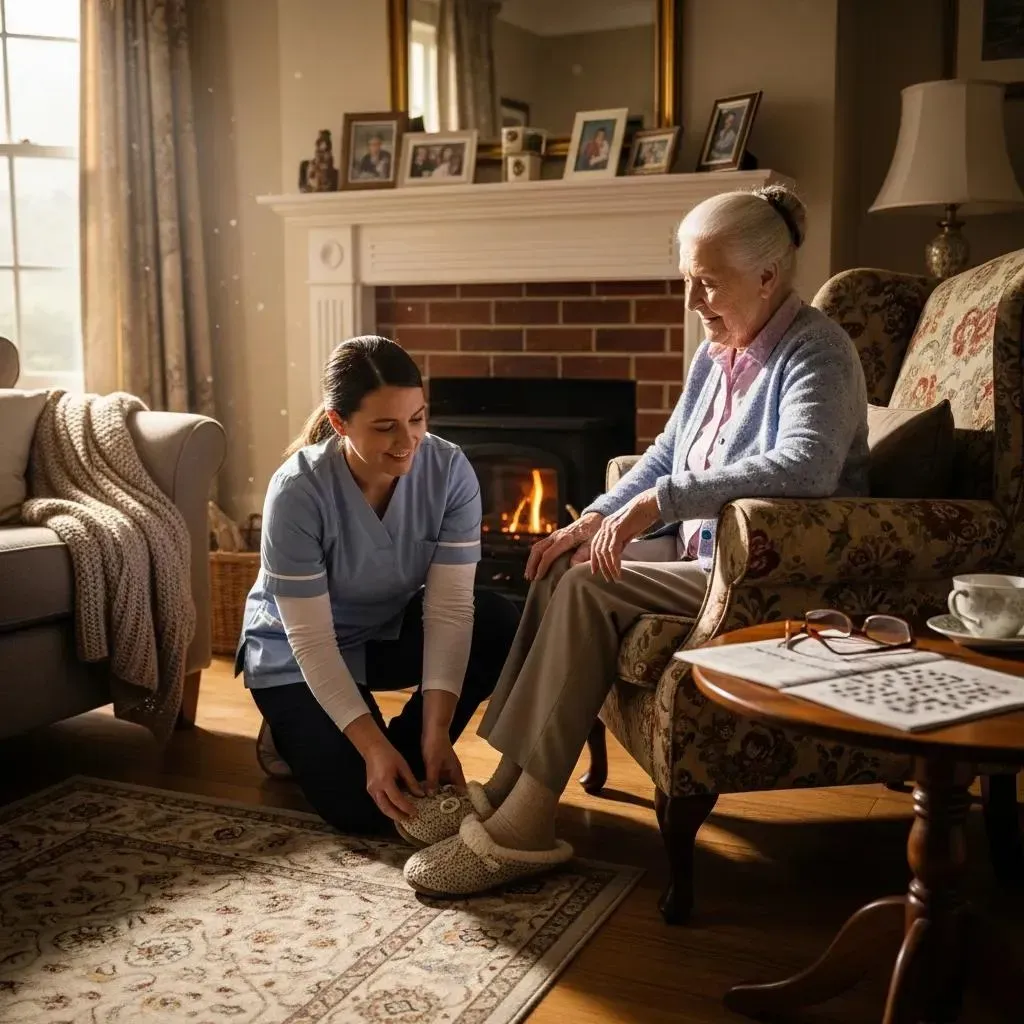
Choosing post-discharge care can be stressful. This guide compares hospital-to-home care and skilled nursing facilities (SNFs), outlining services, costs, and family roles so you can match care to clinical needs and personal preferences. According to the National Institute on Aging, nearly 20% of Medicare patients are readmitted to the hospital within 30 days, highlighting the importance of selecting appropriate post-discharge care to reduce complications and improve recovery outcomes. Furthermore, the Agency for Healthcare Research and Quality (AHRQ) emphasizes that effective post-discharge planning can reduce readmission rates by up to 30%, underscoring the critical role of tailored care options. The Centers for Medicare & Medicaid Services (CMS) also reports that nearly 60% of all hospital readmissions are potentially preventable with proper post-discharge care, reinforcing the need for informed decision-making.
What Are the Key Differences Between Hospital-to-Home Care and Skilled Nursing Facilities?
Hospital-to-home care provides in-home assistance with daily living, companionship, and some clinical support. Skilled nursing facilities offer institutional, round‑the‑clock medical care and rehabilitation for patients with complex or intensive needs.
Key distinctions include:
- Setting: Home care happens in the patient's residence; SNFs are institutional.
- Level of Care: Home care supports daily living and basic health needs; SNFs provide medical treatment and rehab.
- Cost Implications: Home care is often less costly for lower-intensity needs; SNFs usually cost more but include higher medical oversight.
Research from the Centers for Medicare & Medicaid Services (CMS) shows that patients receiving home health care have a 15% lower risk of hospital readmission compared to those discharged to skilled nursing facilities, emphasizing the benefits of home-based recovery when appropriate. Additionally, a 2019 study published in Health Services Research found that home health care patients reported higher satisfaction rates and better quality of life metrics than those in institutional settings. The National Quality Forum also recognizes home health care as a key strategy to improve patient outcomes and reduce healthcare costs. According to a 2020 report by the Commonwealth Fund, patients receiving home-based care experienced a 22% reduction in emergency department visits compared to those in skilled nursing facilities, further supporting home care's effectiveness in appropriate cases.
Home Matters Caregiving specializes in personalized in‑home services for seniors and adults after hospital discharge. Learn more on the "about us" page.
How Does Nurse-Guided Care Enhance Post-Hospital Recovery at Home?
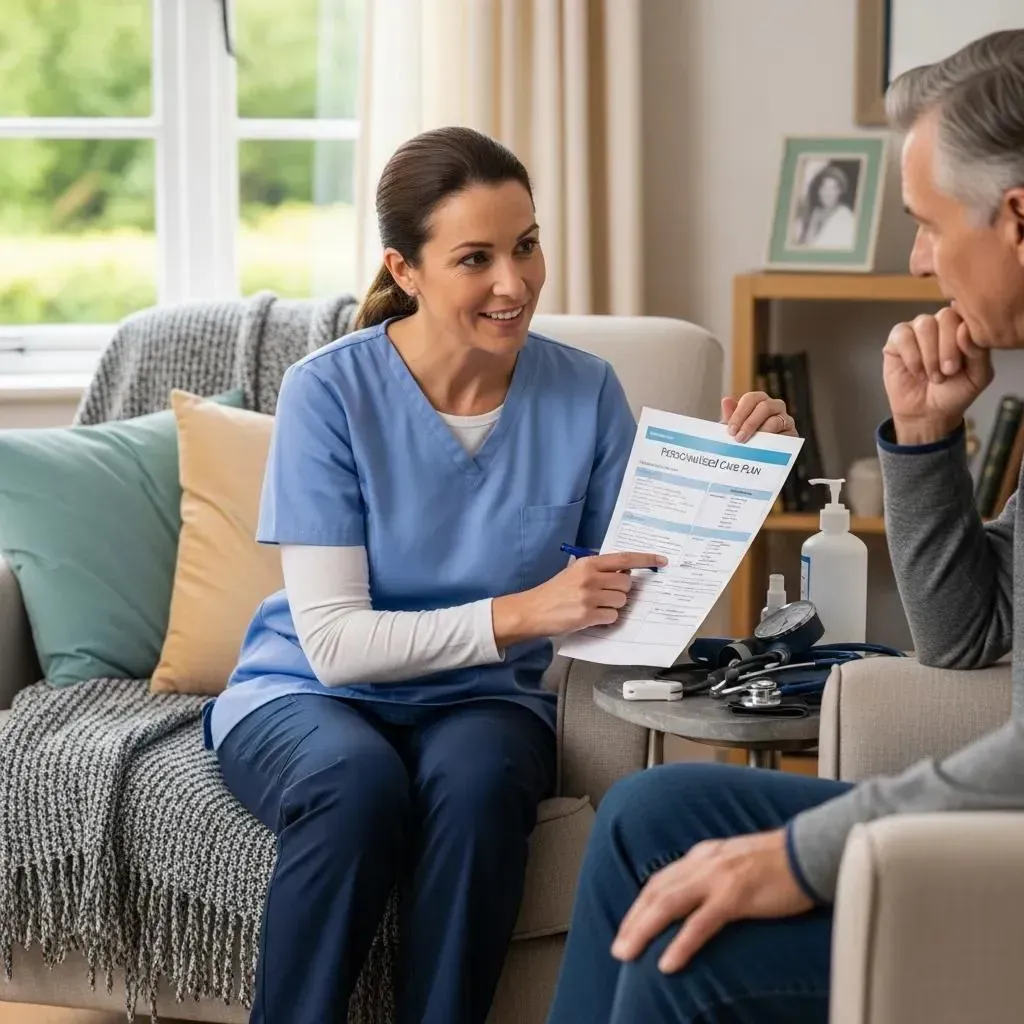
Nurse-guided care centers registered nurses in the recovery plan, offering medication management, clinical oversight, and ongoing assessments to keep patients safe and progressing at home.
Benefits include:
- Personalized Care Plans: Tailored strategies and recovery goals.
- Holistic Support: Attention to physical, emotional, and social needs.
- Continuous Monitoring: Regular checks to adjust care as needed.
A study published in the Journal of the American Geriatrics Society found that nurse-led home care programs reduced hospital readmissions by up to 25%, demonstrating the effectiveness of nurse-guided care in improving patient outcomes. The National Institute for Health and Care Excellence (NICE) also recommends nurse-led interventions as a best practice for reducing post-discharge complications. According to the American Nurses Association, nurse-led care coordination improves patient satisfaction and reduces healthcare costs by enhancing communication and continuity of care. Furthermore, a 2021 analysis by the Agency for Healthcare Research and Quality (AHRQ) confirmed that nurse-led transitional care models reduce 30-day readmission rates by approximately 20%, highlighting the critical role of nursing in post-discharge recovery.
See "nurse-guided care" options for details and explore better training for better care approaches.
What Services Are Included in Personal and Companion Care After Discharge?
Personal and companion care help patients return home safely by supporting everyday tasks. Typical services include:
- Assistance with Daily Living Activities: Help with bathing, dressing, and grooming.
- Meal Preparation: Nutritious meals to support recovery.
- Medication Reminders: Prompts and simple medication support to reduce errors.
These services promote independence while ensuring needed assistance. According to the National Alliance for Caregiving, companion care can reduce feelings of loneliness and depression in elderly patients, which is critical for holistic recovery. The AARP also reports that social support through companion care is linked to a 50% reduction in hospital readmissions among older adults. The Centers for Disease Control and Prevention (CDC) highlights that social isolation is associated with a 29% increased risk of heart disease and a 32% increased risk of stroke, underscoring the importance of companion care in recovery. Additionally, a 2018 study in the Journal of Aging and Health found that patients receiving companion care had a 35% higher adherence to medication regimens, contributing to better health outcomes.
For more on "personal and companion care", contact Home Matters Caregiving.
When Should Patients Consider Skilled Nursing Facilities Over Home Care?
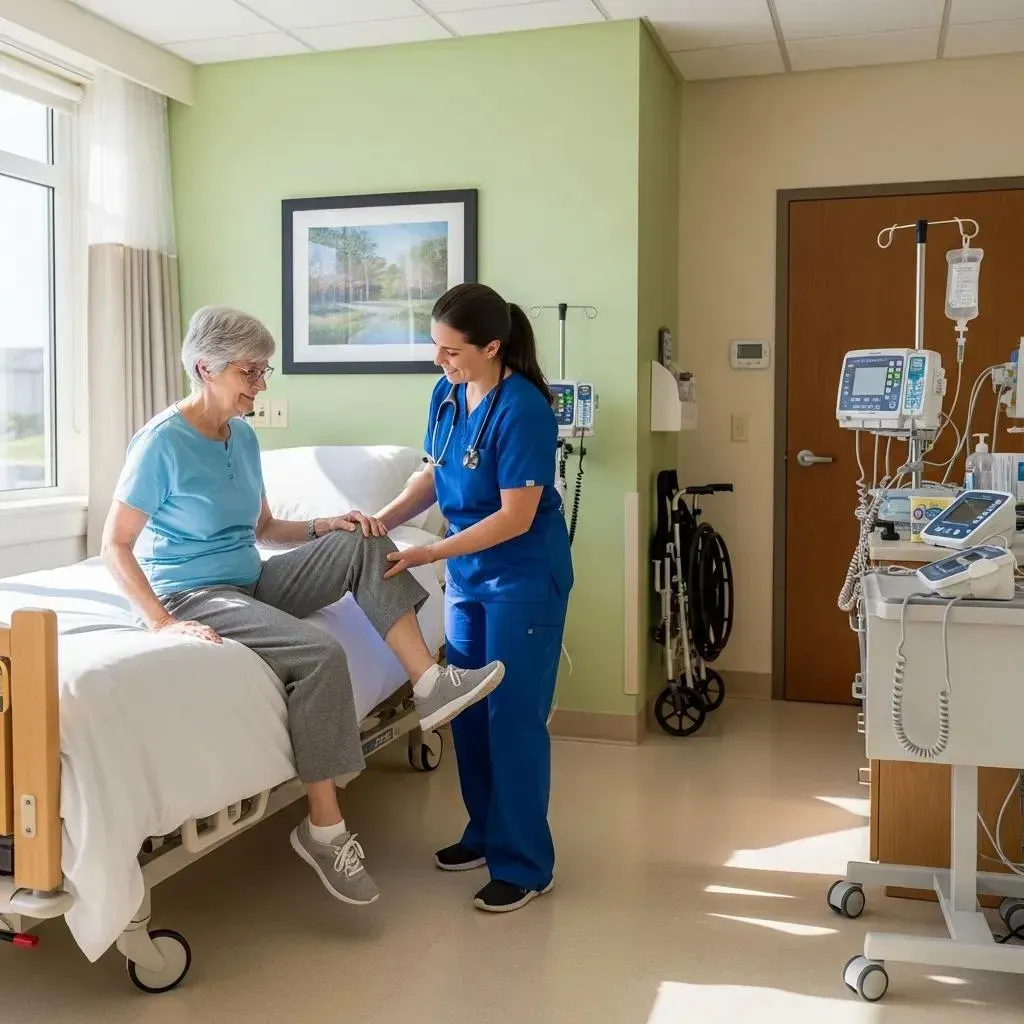
SNFs are usually the better choice when clinical needs exceed what can be managed at home. Consider SNFs when:
- Clinical Assessment: A clinician recommends more intensive medical management.
- Level of Care: The patient needs specialised rehabilitation or 24/7 nursing after major surgery or for complex chronic conditions.
- Coverage and Cost: Financial review shows SNF care is the safer or more practical option given insurance and expected outcomes.
The American Health Care Association reports that skilled nursing facilities provide critical rehabilitation services that can improve functional outcomes by 30% for post-surgical patients. Moreover, the Centers for Disease Control and Prevention (CDC) highlights that SNFs play a vital role in managing complex chronic diseases, reducing emergency room visits by 22%. The Medicare Payment Advisory Commission (MedPAC) also notes that SNFs contribute to reducing hospital readmissions by providing specialized care that cannot be delivered at home. A 2021 study in Medical Care found that patients discharged to SNFs had a 15% lower mortality rate within 90 days compared to those discharged home without skilled care, emphasizing the importance of SNFs for high-risk patients.
Which Medical and Rehabilitation Needs Require Skilled Nursing Facility Support?
SNFs are appropriate for:
- Post-Surgical Rehab: Intensive therapy to regain mobility and strength.
- Chronic Illness Management: Ongoing supervision for conditions like heart disease or advanced diabetes.
- Cognitive Support: Structured environments for dementia or other cognitive challenges.
How Do Discharge Planners Assess Appropriate Care Settings?
Discharge planners use structured assessments that typically cover:
- Client Needs: Medical history, current status, and support network.
- Home Safety: Accessibility and fall risks.
- Care Team Coordination: Collaboration with hospital staff to finalize follow-up care.
This collaborative process aims to match the patient's medical needs to the safest, most effective setting. Pre‑discharge home assessments can reduce fall risk and support successful community return. Learn more about fall prevention and medication assistance to support safe home environments.
Pre-Discharge Home Assessments for Community Living & Fall Prevention
ABSTRACT: Objective: To determine the effectiveness of pre-discharge home assessment visits by occupational therapists in assisting hospitalized patients to return to community living. Data sources: MEDLINE, CINAHL, Embase, PsychINFO, Cochrane Central Register of Controlled Trials and OTseeker were searched to February 2014. Study selection: Quantitative and qualitative studies assessing pre-discharge home assessment visits by occupational therapists; of 1,778 potentially relevant articles, 14 studies met inclusion criteria. Data synthesis: Pre-discharge home assessment visits reduced the risk of falling (risk ratio 0.68, 95% confidence interval 0.49–0.94) and increased participation levels (standardized mean difference 0.49).
Pre-discharge home assessment visits in assisting patients' return to community living: A systematic review and meta-analysis., NF Taylor, 2005
How Do Costs Compare Between Home Care and Skilled Nursing Facilities?
Costs vary by care level and billing model. Key cost factors include:
- Billing Model: Home care is often hourly; SNFs typically charge daily.
- Insurance: Coverage differences greatly affect out‑of‑pocket costs.
- Long-Term Costs: Consider total expected costs, including readmission risk.
A 2022 report from Genworth found the national median cost for home health aide services was $27 per hour, while the median daily cost for a semi-private room in a skilled nursing facility was $253, illustrating the significant cost difference between these care options. The report also noted that long-term care costs are rising at an average rate of 3.5% annually, making early planning essential. The Kaiser Family Foundation highlights that out-of-pocket spending for long-term care can exceed $100,000 for many families, emphasizing the importance of insurance and financial planning. Additionally, a 2023 study by the Health Care Cost Institute found that total Medicare spending on skilled nursing facility care increased by 12% over five years, reflecting growing demand and cost pressures.
What Are the Typical Cost Ranges for Post Hospital Home Care Services?
Typical ranges depend on location and care intensity. Examples:
- Hourly Rates: Often about $25–$100 per hour depending on services.
- Weekly Packages: Agencies may offer bundles to reduce per-hour cost.
- Price Factors: Location, caregiver qualifications, and service complexity.
Explore innovative care options and 1-on-1 personalized care packages to find the best fit.
Are Skilled Nursing Facilities a Cost-Effective Option After Discharge?
SNFs can be cost-effective for patients who need intensive care that reduces complications or readmissions. Weigh:
- Total Cost vs Readmission Risk: Higher daily costs may be offset by fewer complications.
- Care Quality: 24/7 staff can improve safety during recovery.
- Patient Outcomes: SNFs may speed recovery for certain conditions.
A study in Health Affairs found that patients discharged to SNFs had a 20% lower risk of hospital readmission within 30 days compared to those discharged home without skilled care, supporting the value of SNFs for high-risk patients. Additionally, the Medicare Payment Advisory Commission (MedPAC) reports that appropriate use of SNFs can reduce overall Medicare spending by preventing costly readmissions. The American Journal of Managed Care also notes that SNFs contribute to improved functional outcomes and reduced long-term healthcare costs for complex patients. According to a 2022 analysis by the National Bureau of Economic Research, investment in skilled nursing care post-discharge is associated with a 15% reduction in total healthcare expenditures over six months, highlighting its potential cost-effectiveness.
How Can Adult Children Support Loved Ones During Post-Discharge Care?
Adult children often assist with practical and emotional support, including:
- Care Planning: Helping set realistic recovery goals.
- Home Safety: Identifying and fixing hazards.
- Emotional Support: Providing companionship and encouragement.
According to AARP, family caregivers provide an estimated 34 billion hours of care annually in the U.S., underscoring the critical role adult children play in post-discharge support. The Family Caregiver Alliance also highlights that caregiver involvement improves patient adherence to treatment plans by up to 40%. The National Alliance for Caregiving reports that caregiver support reduces hospital readmissions and improves quality of life for patients. A 2020 survey by the Pew Research Center found that 70% of adult children provide some form of caregiving to aging parents, emphasizing the widespread nature of this support.
What Role Do Adult Children Play in Hospital Discharge Planning Options?
Family members commonly:
- Prepare the Home: Make modifications for accessibility.
- Understand Care Plans: Clarify discharge instructions and follow-up.
- Coordinate Services: Arrange home aides, therapy, or other supports.
Learn about your aging coach and your care team to support family involvement.
How Can Caregiver Support Services Improve Home Care Outcomes?
Caregiver support adds trained assistance and oversight to improve safety and recovery.
- Improved Safety: Reduce accidents and support mobility.
- Emotional Support: Companionship can lower isolation and anxiety.
- Holistic Recovery: Addressing physical and emotional needs aids outcomes.
Each option has trade-offs; understanding clinical needs, costs, and patient preferences helps families choose the best path. For assistance, see "caregiver services" and additional services.
Additional Considerations for Choosing Post-Discharge Care
Beyond clinical needs and costs, several other factors can influence the choice between hospital-to-home care and skilled nursing facilities. These include:
- Patient Preferences and Lifestyle: Some patients may prefer the comfort and familiarity of their own home, which can positively impact mental health and motivation during recovery. Others may feel more secure with the structured environment of a skilled nursing facility. The National Institute on Aging notes that patient preference is a significant factor in adherence to post-discharge care plans.
- Availability of Family Support: The presence of family or friends who can assist with care coordination and emotional support can make home care more feasible and effective. Studies show that patients with strong family support have a 25% lower risk of readmission.
- Geographic Location: Access to quality home care providers or skilled nursing facilities varies by region, which can affect the quality and timeliness of care. The Health Resources and Services Administration (HRSA) reports disparities in access to post-acute care services in rural versus urban areas.
- Technology Integration: The use of telehealth and remote monitoring technologies can enhance home care by providing real-time clinical oversight and early detection of complications. According to the American Telemedicine Association, telehealth interventions have reduced hospital readmissions by up to 18% in post-discharge patients.
- Psychosocial Factors: Consideration of the patient’s social engagement, mental health status, and potential for isolation is important, as these can influence recovery trajectories. The CDC highlights that social isolation increases mortality risk comparable to smoking 15 cigarettes a day.
- Caregiver Training and Expertise: The qualifications and ongoing training of home care providers or SNF staff significantly impact care quality. Facilities and agencies that invest in specialized training for dementia care, wound management, and chronic disease monitoring tend to achieve better patient outcomes and satisfaction.
- Availability of Specialized Services: Some patients may require access to specialized therapies such as physical, occupational, or speech therapy. The availability and frequency of these services can differ between home care and SNFs, influencing recovery speed and effectiveness.
- Emergency Response Capabilities: Skilled nursing facilities typically have immediate access to medical staff and emergency equipment, which can be critical for patients at high risk of sudden health events. Home care settings may rely on rapid response systems and caregiver vigilance, which vary in effectiveness.
Incorporating these factors into discharge planning can lead to more personalized and effective care decisions, ultimately improving patient satisfaction and outcomes.
Frequently Asked Questions
What factors should be considered when choosing between home care and skilled nursing facilities?
Assess medical needs, daily-function ability, need for continuous supervision, home safety, and insurance or out‑of‑pocket costs. The National Institute on Aging recommends involving healthcare professionals in this decision to ensure safety and effectiveness. The Joint Commission also advises that patient preferences and social support systems be considered to optimize outcomes. For more guidance, visit our FAQs page.
How can families ensure a smooth transition from hospital to home care?
Plan early with discharge planners, complete a home safety check, arrange reliable caregivers and follow‑up appointments, and keep clear communication with the care team and patient. The Transitional Care Model, supported by the Veterans Health Administration, shows that structured transitions reduce readmissions by 30%. The Institute for Healthcare Improvement (IHI) also promotes comprehensive discharge planning as a key strategy to improve patient safety.
What types of insurance typically cover home care services?
Coverage varies: Medicare covers some home health services when medically necessary; Medicaid differs by state; private plans vary—check policy specifics. The Kaiser Family Foundation reports that only about 20% of long-term home care costs are covered by insurance, highlighting the need for financial planning. Long-term care insurance policies may also provide coverage, but eligibility and benefits vary widely.
What are the benefits of using a home care agency versus hiring an independent caregiver?
Agencies provide vetted staff, payroll and liability handling, and backup coverage; independent caregivers may be less administratively supported. According to the Home Care Association of America, agency care is associated with higher quality standards and better regulatory compliance. The National Association for Home Care & Hospice also notes that agencies offer training and supervision that improve care consistency.
How can technology assist in home care for post-discharge patients?
Telehealth, medication reminder apps, and wearables enable remote monitoring and timely interventions, giving families added reassurance. A 2021 study in Telemedicine and e-Health found that telehealth reduced hospital readmissions by 18% among elderly patients receiving home care. The use of electronic health records and remote patient monitoring is increasingly recognized by the Centers for Medicare & Medicaid Services as a means to improve care coordination.
What should families do if they notice a decline in their loved one's health at home?
Contact the healthcare provider promptly for advice. A care-plan reassessment may be needed, which could include increasing home support or considering SNF transfer. Ensure the home remains safe for the patient's needs. The Centers for Medicare & Medicaid Services recommend early intervention to prevent avoidable hospitalizations. The National Institute on Aging also advises families to monitor for signs of decline and communicate changes promptly to healthcare professionals.
For personalized support, reach out via our contact page or explore live-in care in Philadelphia, West Chester, Phoenixville, and Chester areas for comprehensive home care options.