
How Senior Companionship Services in Philadelphia Help Seniors Stay Socially Connected at Home

As people grow older, staying socially connected matters for mood and mental health. Non-medical, in‑home companionship helps seniors stay engaged through regular conversation, shared activities, and emotional support. This article explains how companionship services in Philadelphia reduce loneliness, boost emotional wellbeing, and offer flexible, tailored options. Families will learn benefits, typical services, and practical steps to choose a provider to improve their loved one’s quality of life.
Research consistently highlights the positive impact of in-home care services on the social participation and overall engagement of older adults.
In-Home Care & Senior Social Participation
This work explores the social participation and occupational engagement enjoyed by older home care recipients, with a focus on in-home assistance from home care services.
Personhood in aloneness and in affinity: satisfactory social participation among home care recipients, L Rosenberg, 2022
What Are the Emotional Benefits of Non-Medical In-Home Care for Seniors?
Non‑medical in‑home care reduces loneliness and lowers depression risk by providing regular social contact. Interactions improve mood, foster belonging, and support overall wellbeing—making companionship an essential part of senior care.
Indeed, studies confirm that various approaches to enhancing social connection are crucial for the health and well-being of older adults.
Enhancing Social Connection for Older Adults
This integrative review examines approaches that enhance social connection and their links to health and well-being in older adults.
Approaches to enhance social connection in older adults: An integrative review of literature, U Suragarn, 2021
How Does Companionship Care Reduce Loneliness and Depression?
Companionship creates purposeful interaction—caregivers share hobbies, play games, or have meaningful conversations that ease isolation and offer emotional release. Regular, attentive presence lifts mood and encourages a more positive outlook.
Further supporting this, evidence suggests that peer companionship significantly contributes to the mental health and well-being of older adults by improving social connectedness.
Peer Companionship for Senior Mental Health
By improving social connectedness, peer companionship delivered through community-based social services can support the mental health and well-being of older adults.
Peer companionship for mental health of older adults in primary care: a pragmatic, nonblinded, parallel-group, randomized controlled trial, Y Conwell, 2021
How Do Personalized In-Home Care Plans Enhance Social Engagement for Seniors in Philadelphia?
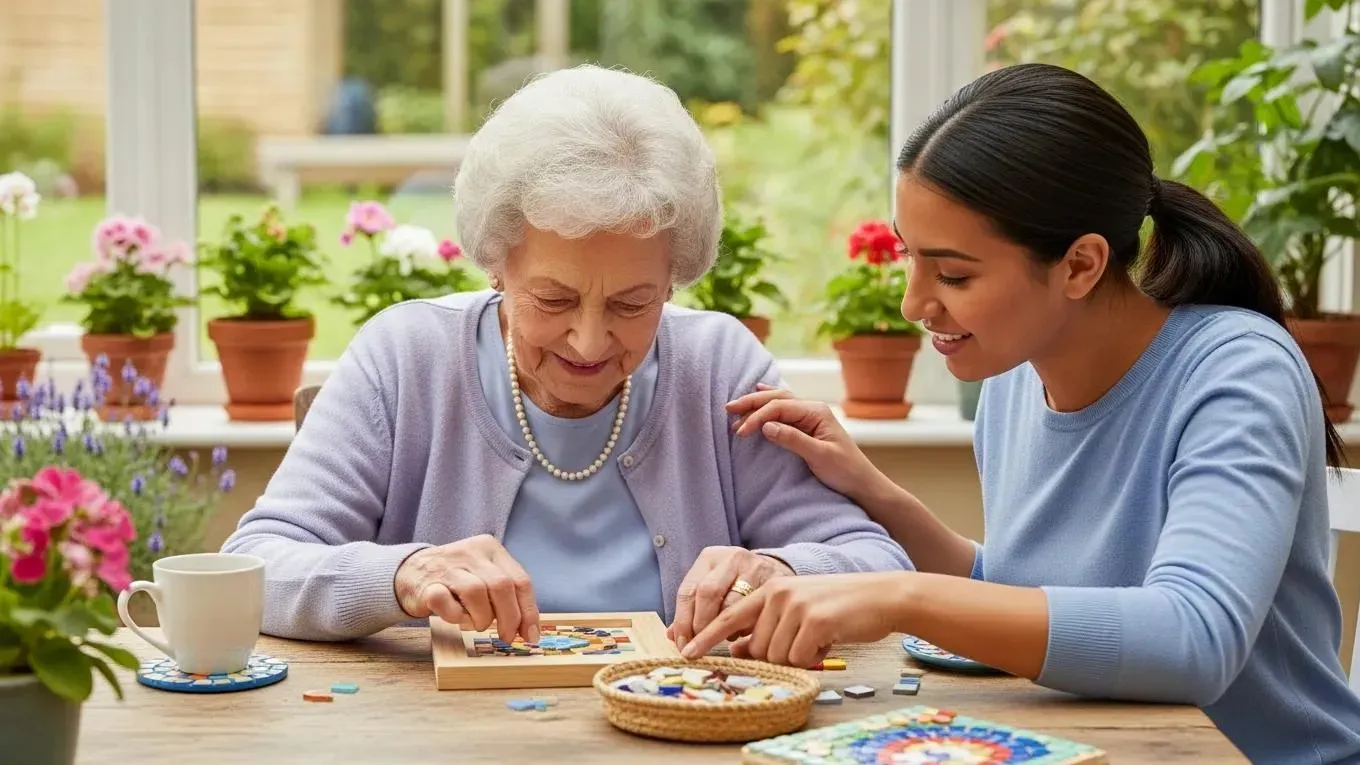
Personalised in‑home plans match activities to each senior’s interests and routines. Caregivers arrange outings, hobbies, and group activities that reflect personal preferences, keeping seniors motivated and connected. This approach is a key part of personalized care that adapts to individual needs.
What Innovative Care Options Combat Senior Isolation?

Technology-assisted companionship expands access: virtual gatherings, online classes, and video calls let seniors interact despite mobility limits. Tech complements in‑person visits and helps create a broader, flexible support network. Learn more about these innovative care options that enhance social engagement.
How Do Aging Coaches Support Social Connectivity at Home?
Aging coaches assess social needs and link seniors to family, friends, and local activities. They recommend clubs, events, and simple tech tools to keep relationships active, helping seniors maintain meaningful ties. For personalized guidance, consider consulting your aging coach.
What Are the Key Services Offered by Companionship Care Providers in Philadelphia?
Companionship care providers in Philadelphia offer services focused on emotional and social support. Typical offerings include:
- Emotional Support: Caregivers provide companionship and a listening ear, helping seniors feel valued and understood.
- Engaging Activities: Providers organize activities that stimulate mental and physical engagement, such as arts and crafts, games, and exercise.
- Social Outings: Many providers arrange outings to local events, parks, or community centers, encouraging seniors to interact with others.
These services help seniors stay active, connected and fulfilled in everyday life. For comprehensive personal and companion care, families can explore specialized caregiver services.
How Does Home Matters Spa Deliver Personalized Senior Companionship Care?
Home Matters Spa builds customised companionship plans after assessing each senior’s social and emotional needs. Services can include one‑to‑one companionship, help with daily tasks, and support for hobbies. The focus on individual preferences ensures seniors get the right mix of practical help and emotional connection. Discover more about our personalized senior companionship care.
What Are the Cost and Access Considerations for Senior Companion Care?
Families should review pricing, eligibility and local availability when considering companion care. Costs vary with service level and frequency. Check for financial assistance, insurance coverage or local programs to help offset expenses, and confirm providers serve your area. For additional support services, including medication assistance and fall prevention, explore our additional services.
How Can Families Choose the Right Non-Medical In-Home Care Provider in Philadelphia?
Choosing the right provider means matching services to the senior’s emotional and social needs. Consider training, experience and how well the caregiver’s personality fits the senior. A good match improves rapport and the overall quality of care.
- Specific Needs Assessment: Families should assess the specific emotional and social needs of their loved ones to find a suitable match.
- Caregiver Qualifications: It's important to inquire about the qualifications and training of caregivers to ensure they can provide the necessary support. Learn about our caregiver training programs.
- Compatibility: Families should consider the personality and interests of the caregiver to ensure a good fit with the senior.
Careful matching and clear communication help families choose a provider who truly supports their loved one’s wellbeing. For more information, visit our About Us page or contact us directly.
What Questions Should You Ask About Emotional and Social Support Services?
When evaluating providers, ask targeted questions about services, assessment methods and caregiver training. Clear answers reveal how personalised and effective the support will be.
- What types of companionship services do you offer? Understanding the range of services can help families find the right fit.
- How do you assess the emotional needs of seniors? This question can reveal the provider's approach to personalized care.
- What training do your caregivers receive in emotional support? Ensuring caregivers are trained in emotional support is crucial for effective companionship care.
These questions guide families toward providers that prioritise emotional and social wellbeing. For more guidance, see our FAQs.
How Do Client Testimonials Reflect Care Quality and Social Benefits?
Client testimonials show how companionship services affect daily life. Positive reviews often mention improved mood, increased social interaction and stronger family reassurance. Reading testimonials helps families see real outcomes and decide if a provider fits their needs.
To further enhance the support for seniors, consider exploring innovative care options that can significantly improve their quality of life.
For seniors in Philadelphia looking to maintain their independence and social connections, your aging coach can provide invaluable assistance.
Families seeking home care services in Philadelphia can find comprehensive support through various providers.
At Home Matters Spa, we understand the importance of personalized senior companionship care, ensuring each individual receives the attention and support they deserve.
Frequently Asked Questions
What qualifications should I look for in a companionship caregiver?
Look for caregivers trained in geriatric care, emotional support and basic first aid. Ask about background checks, references and hands‑on experience with seniors. Strong communication, patience and empathy are key traits that build trust and improve care quality. Learn more about our caregiver services.
How can technology be integrated into companionship care for seniors?
Technology can extend companionship through video calls, virtual group activities and online classes. Apps and devices can also remind seniors about meds, appointments and social events. Used alongside in‑person visits, tech tools boost engagement and ease isolation. For medication reminders and support, see our medication assistance services.
What are the signs that a senior may need companionship care?
Signs include withdrawing from social activities, declining personal care, persistent sadness or complaints of loneliness. If hobbies fade or overall wellbeing slips, companionship services can restore routine, interest and social contact.
How can families support seniors in maintaining social connections?
Encourage regular contact with friends and family, arrange outings or virtual meetups, and help seniors find local clubs or classes that match their interests. Offering transport or company to events also makes attending easier and more likely.
What should families expect during the initial assessment for companionship care?
The initial assessment covers emotional, social and practical needs. Providers usually interview the senior and family, review routines and preferences, and note any challenges. The goal is a personalised plan that fits the senior’s lifestyle and support needs.
Are there any financial assistance options available for companionship care?
Yes. Families can explore Medicaid eligibility, local non‑profit grants or subsidies, and long‑term care insurance that may cover companionship services. Research available programs and ask providers about local resources to reduce financial strain.