
Home Dementia Care Services in Philadelphia: When Is It Time to Get Help at Home?
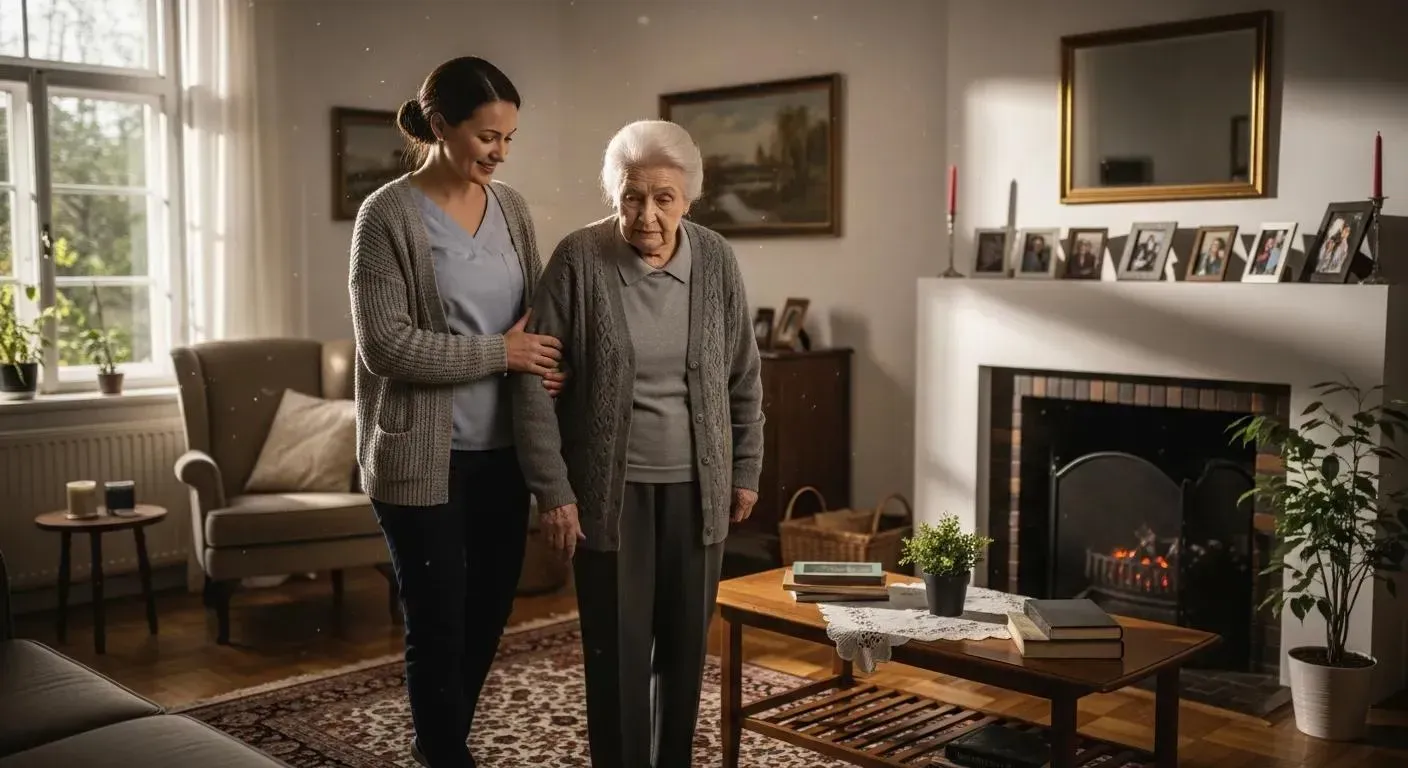
Navigating the complexities of Alzheimer’s and dementia care can be overwhelming for families. Understanding when to seek professional help at home is crucial for ensuring the safety and well-being of loved ones. According to the Alzheimer’s Association, more than 6 million Americans are living with Alzheimer’s disease, and this number is expected to rise to nearly 13 million by 2050. This article will explore the signs that indicate the need for home dementia care, the types of services available, and the benefits of professional assistance. We will also discuss how Home Matters Spa, a Philadelphia-based home care provider, specializes in personalized dementia care services that empower families and enhance the quality of life for seniors. By recognizing the early signs of cognitive decline and understanding the available support options, families can make informed decisions about their loved ones' care.
When to Seek Help at Home
Identifying when to seek help at home for a loved one with dementia is essential for their safety and well-being. Several key indicators can signal the need for professional assistance:
- Signs of Memory Loss or Confusion: Frequent forgetfulness, difficulty recognizing familiar faces, or confusion about time and place can indicate a decline in cognitive function. Studies show that early intervention can slow the progression of symptoms and improve quality of life.
- Safety Concerns: If a loved one is wandering, leaving the stove on, or exhibiting unsafe behaviors, it may be time to consider home care services. The National Institute on Aging reports that wandering affects up to 60% of people with dementia, posing significant safety risks.
- Caregiver Burnout: Family caregivers may experience physical and emotional exhaustion, making it challenging to provide the necessary support. Research indicates that nearly 40% of dementia caregivers suffer from depression or anxiety due to caregiving stress.
Recognizing these signs early can lead to timely intervention and improved outcomes for both the individual and their family.
Home Matters Spa emphasizes the importance of seeking help when these signs become apparent. Their tailored dementia care services are designed to provide the necessary support for families navigating these challenges.
Types of Services Offered

Home dementia care services encompass a variety of support options tailored to meet the unique needs of individuals with Alzheimer’s and dementia. Common types of services include:
- Personal Care: Assistance with daily living activities such as bathing, dressing, and grooming to ensure personal hygiene and comfort. According to the Journal of Gerontological Nursing, personalized personal care improves patient dignity and reduces agitation. Learn more about our personal and companion care services.
- Companion Care: Providing companionship and social interaction to reduce feelings of isolation and loneliness. Studies have shown that social engagement can slow cognitive decline and improve mood in dementia patients.
- Respite Care: Temporary relief for family caregivers, allowing them to take breaks while ensuring their loved ones receive quality care. The Family Caregiver Alliance notes that respite care reduces caregiver stress and delays institutionalization of dementia patients. Additional support options can be found on our additional services page.
These services can be customized to fit the specific needs of each individual, ensuring they receive the appropriate level of support.
Benefits of Professional Assistance
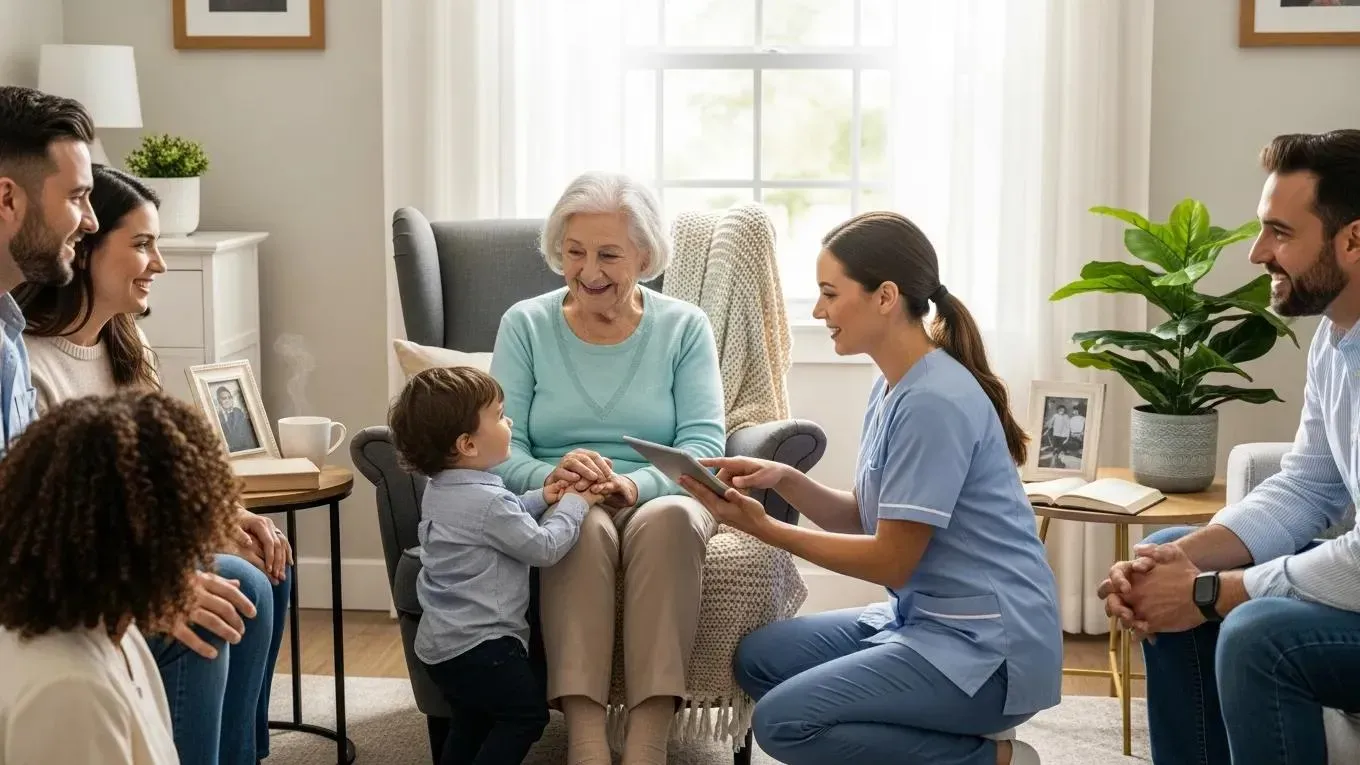
Engaging professional home care services offers numerous advantages for individuals with dementia and their families. Some key benefits include:
- Safety and Security: Trained caregivers can monitor safety and prevent accidents, providing peace of mind for families. The Centers for Disease Control and Prevention (CDC) highlights that home safety modifications and supervision reduce fall risks by up to 30% in older adults. Explore our fall prevention strategies to enhance safety at home.
- Personalized Care: Professional caregivers can create tailored care plans that address the unique needs and preferences of each individual. Research published in the American Journal of Alzheimer’s Disease & Other Dementias emphasizes that personalized care improves patient satisfaction and health outcomes. Discover our approach to one-on-one personalized care.
- Support for Families: Professional assistance alleviates the burden on family caregivers, allowing them to focus on their own well-being while ensuring their loved ones are cared for. The National Alliance for Caregiving reports that professional support reduces caregiver burnout and improves family dynamics. Learn about our caregiver support services.
The integration of professional support can significantly enhance the quality of life for both individuals with dementia and their families.
Various models of home care delivery have been studied for their positive impact on outcomes for individuals living with dementia.
Models & Benefits of Home Care for Dementia Patients
We reviewed the effects of the four dominant models of home care delivery on outcomes for community-dwelling persons with dementia. These models are: case management, integrated care, consumer directed care, and restorative care. This narrative review describes benefits and possible drawbacks for persons with dementia outcomes and elements that comprise successful programs. Models of home care services for persons with dementia: a narrative review, LF Low, 2015
| Service Type | Benefit | Description |
|---|---|---|
| Personal Care | Enhanced Comfort | Assistance with daily activities to promote hygiene. |
| Companion Care | Reduced Isolation | Social interaction to improve emotional well-being. |
| Respite Care | Caregiver Relief | Temporary support for family caregivers to recharge. |
This table illustrates how different types of home care services provide specific benefits that contribute to overall well-being.
What Are the Early Signs That Indicate It’s Time to Seek Home Dementia Care?
Recognizing early signs of dementia is crucial for timely intervention. Some common indicators include:
- Cognitive Symptoms: Difficulty with memory, problem-solving, and language can signal cognitive decline. The Alzheimer’s Association notes that early diagnosis allows for better management and planning.
- Behavioral Changes: Increased confusion, mood swings, or withdrawal from social activities may indicate the need for support. Behavioral symptoms affect up to 90% of dementia patients during the course of the disease.
- Functional Declines: Struggles with daily tasks, such as cooking or managing finances, can be a sign that assistance is needed.
How to Identify Memory Loss and Confusion in Loved Ones
Identifying memory loss and confusion involves observing specific behaviors. Key signs include:
- Short-term Memory Loss: Forgetting recent events or conversations can be a significant indicator.
- Difficulty Completing Tasks: Struggling to follow familiar routines or complete daily activities may suggest cognitive decline.
By monitoring these behaviors, families can better assess when to seek professional help.
How Can Family Caregivers Recognize and Manage Caregiver Burnout?
Caregiver burnout is a common issue that can affect the quality of care provided. Recognizing its signs is essential for maintaining both caregiver and patient well-being. Key indicators include:
- Physical and Emotional Indicators: Feelings of exhaustion, irritability, or depression can signal burnout. The Family Caregiver Alliance reports that caregiver burnout can lead to serious health problems if unaddressed.
- Coping Strategies: Engaging in self-care, seeking support from others, and taking breaks can help manage stress. For more information, visit our caregiver support resources.
Understanding these factors can empower caregivers to seek help when needed, ensuring they can provide the best care possible.
Research highlights the effectiveness of structured programs in providing comprehensive home-based dementia care and crucial support for family caregivers.
Home-Based Dementia Care & Caregiver Support Programs
Participants were community-dwelling individuals with dementia aged 65 and older who received primary care in the medical center's outpatient clinics and their family caregivers, who received care coordination program for home‐based dementia care and caregiver support. … data from the Caring for Older Adults and Caregivers at Home (COACH) program: a care coordination program for home‐based dementia care and caregiver support …, 2015
What Safety Risks Does Wandering Pose and How Can It Be Prevented at Home?
Wandering is a significant safety concern for individuals with dementia. It can lead to dangerous situations, including getting lost or injured. Understanding the risks and prevention strategies is crucial for families. The Alzheimer’s Association estimates that 60% of people with dementia will wander at some point, with 50% of those not found within 24 hours facing serious injury or death.
Effective Strategies for Wandering Prevention in Dementia Care
To mitigate the risks associated with wandering, families can implement several strategies:
- Home Modifications: Making changes to the living environment, such as securing doors and windows, can help prevent wandering. The CDC recommends environmental adjustments as a key prevention method. Learn more about home safety and fall prevention.
- Technology Integration: Utilizing tracking devices or alarms can enhance safety and provide peace of mind. GPS tracking devices have been shown to reduce search times and improve safety outcomes.
- Routine and Structure: Establishing a consistent daily routine can help reduce anxiety and confusion, minimizing the likelihood of wandering.
These strategies can significantly enhance safety for individuals with dementia at home.
How Does Home Matters Spa Support Families with Personalized Dementia Care Services?
- Personalized Care Plans: Tailored to meet the unique needs of each individual, ensuring comprehensive support. Research supports that personalized care improves patient engagement and satisfaction.
- Family Involvement: Encouraging family participation in care decisions to foster a collaborative approach. Studies show that family involvement leads to better care outcomes and reduced caregiver stress.
- Flexible Service Options: Providing a range of services that can be adjusted as needs change over time.
This personalized approach empowers families and enhances the quality of care provided to individuals with dementia.
The importance of tailoring care to individual needs and family circumstances is a cornerstone of effective home dementia care. Learn more about our commitment to quality and training on the About Us page.
Personalized Home Dementia Care: Provider Roles & Responsive Support
First, managers aimed to provide responsive care, assessing individual needs and family circumstances, including addressing social and emotional needs in keeping with a model of personalised care. Delivering personalised home care for people with dementia: An investigation of care providers' roles and responsibilities, S Ahmed, 2021
What Is the Role of an Aging Coach in Dementia Care?
An aging coach plays a vital role in supporting families dealing with dementia. They provide guidance and resources to help families navigate the complexities of care. Key responsibilities include:
- Guidance and Support: Offering advice on care strategies and resources available in the community.
- Navigating Healthcare Systems: Assisting families in understanding and accessing necessary medical services.
The involvement of an aging coach can significantly ease the burden on families, providing them with the tools and knowledge needed to make informed decisions about care. Discover how our aging coach program supports families.
To learn more about our team and our commitment to providing exceptional care, please visit our website.
If you have any questions or would like to discuss your specific needs, please don't hesitate to contact us. We are here to help you navigate the challenges of dementia care and provide the support you need.
At Home Matters Spa, we understand that every individual is unique, and their care should reflect that. That's why we offer 1-on-1 personalized care, tailored to meet the specific needs and preferences of each client.