Home Care Assistance Philadelphia — What Non‑Medical In‑Home Care Covers (and What It Doesn’t)
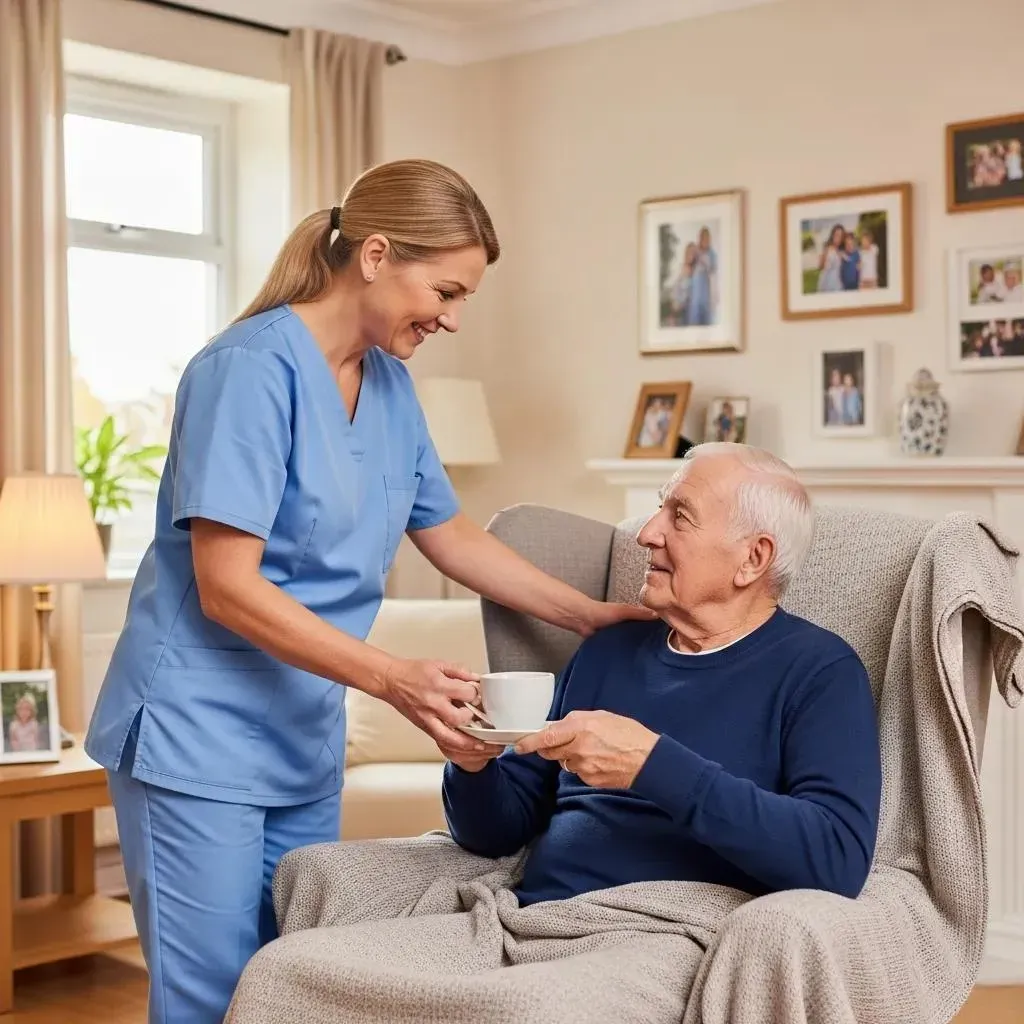
Non‑medical in‑home care plays an important role for families across Philadelphia — it helps older adults stay safe and independent at home by supporting everyday tasks. In this guide we explain the services typically included, what caregivers won’t do (so there’s no confusion), how to pick the right personal care aide, and what you can expect to pay. Our goal is to give you clear, practical information so you can choose the care that fits your family’s needs, including options like live-in care in Philadelphia. For a full overview of our offerings, explore our caregiver services.
Demand for home care has risen with shifting demographics and pressure on hospitals — and non‑medical support is now a key part of keeping people well at home. According to the AARP, 77% of adults aged 50 and older want to remain in their homes as they age, highlighting the growing demand for in-home support services like those offered in Philadelphia.
Non‑Medical Home Nursing: Demands & Influencing Factors
Fewer hospital beds and an aging population have increased the need for home nursing. There’s limited data on the full scope of care these patients receive. This study aimed to map the additional care delivered alongside primary health services for patients receiving home nursing and to see how personal, social, and functional factors shape their use of specialized medical care.
…care for patients with primary‑care home nursing is complex and shaped by non‑medical factors: a comprehensive retrospective study from a suburban area in …, 2004
What services are included in non‑medical in‑home care in Philadelphia?
Non‑medical in‑home care covers practical, daily support that helps older adults live safely at home. Common services include companionship, personal care, and help with everyday tasks — all adjusted to each person’s routine and preferences, ensuring care on your schedule.
How does companionship care support seniors and families?

Companionship care reduces isolation and boosts mood. Caregivers provide friendly conversation, accompany clients to appointments or outings, and help with hobbies or activities that keep the mind active. Studies have shown that social isolation can increase the risk of premature death by 50% (National Academies of Sciences, Engineering, and Medicine), making companionship care a vital service. That social connection eases stress for families and gives older adults a more engaged, happier day‑to‑day life.
What personal care and daily living assistance are provided?
Personal care typically includes help with bathing, grooming, dressing, and toileting — tasks that protect dignity and hygiene. Daily living support can include meal prep, medication reminders, and light housekeeping, among other additional services. These services are planned around each client’s needs so they can stay comfortable and safe at home, often incorporating strategies for fall prevention. The National Association for Home Care & Hospice (NAHC) clarifies that non-medical care focuses on these activities of daily living (ADLs) and instrumental activities of daily living (IADLs), distinctly separate from skilled medical interventions.
What non‑medical care services are not covered?
It’s important to know the limits of non‑medical care: caregivers are not licensed to perform clinical or medical procedures. That distinction separates non‑medical support from skilled nursing care.
How does non‑medical care differ from medical and skilled nursing care?
Non‑medical care focuses on daily living and companionship, not on medical treatments. Skilled nursing involves licensed clinicians who provide clinical services like medication administration, IV care, or wound treatment. For those requiring a blend of support, our nurse-guided care offers specialized oversight. Understanding this difference helps families choose the right level of care and avoid gaps in medical needs — see our care options for more on matching services to needs.
Why understanding service limitations matters for families in Philadelphia
Clear expectations help prevent misunderstandings. Talk openly with caregivers about what tasks they will handle and when to call a nurse or doctor. That teamwork ensures your loved one gets the right support at the right time. Learn more about your care team and how we work together. A 2021 survey by the Home Care Association of America (HCAOA) found that clear communication about service limitations was a top factor in client satisfaction and safety.
How to choose the right personal care aide in Philadelphia?
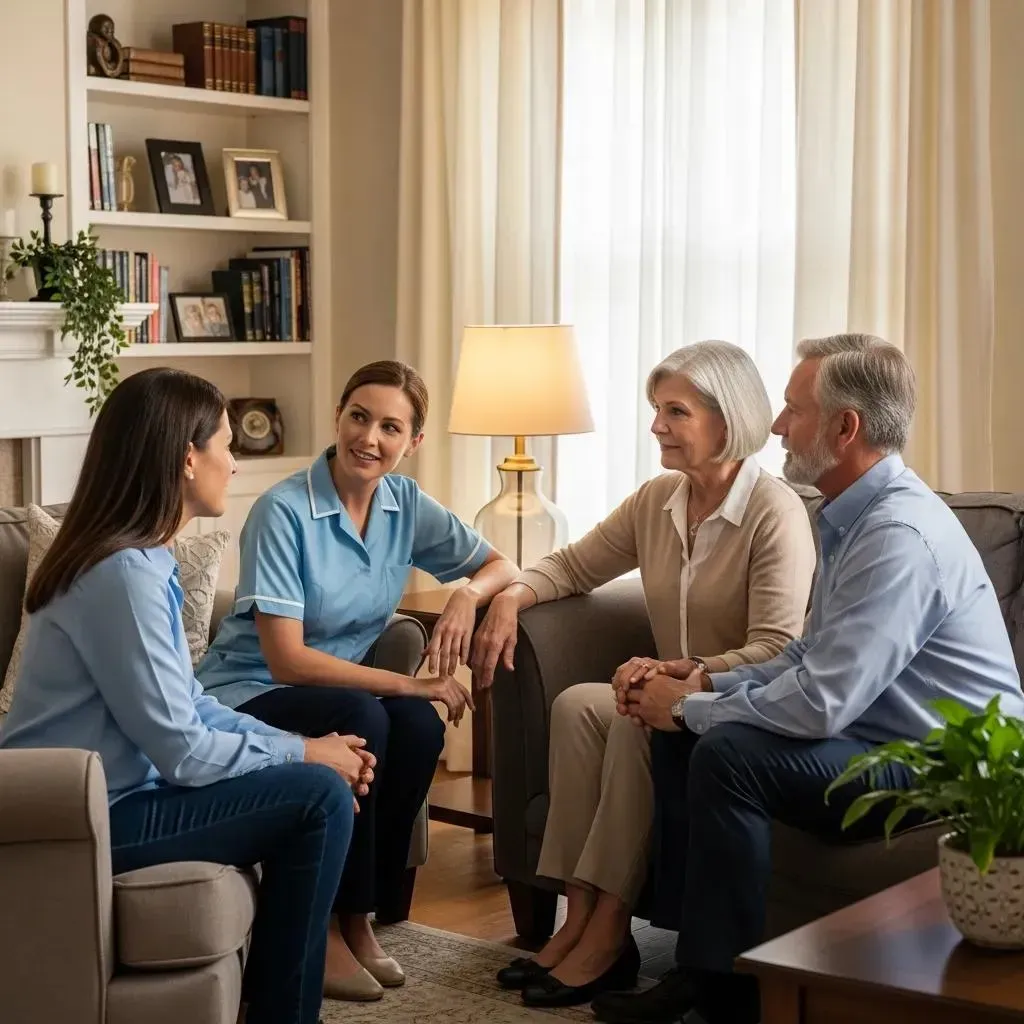
Finding the right personal care aide matters for comfort and safety. Look for experience, relevant training, and a personality that fits the person receiving care — that connection makes daily routines easier and more pleasant.
What qualifications and traits should you look for?
Choose caregivers with hands‑on experience and training in elder care. The best aides bring compassion, patience, and clear communication. When a caregiver can build trust and a friendly rapport, care becomes more effective and reassuring for everyone. A 2022 report by the Home Care Association of America (HCAOA) emphasized that well-trained and compassionate caregivers are crucial for client satisfaction and positive health outcomes, directly impacting the quality of life for seniors.
How does Home Matters Caregiving ensure personalized 1‑on‑1 care?
Home Matters Caregiving focuses on tailored, one‑on‑one visits that match the client’s needs and personality. By pairing clients with caregivers who have the right skills and temperament, we help build trust and consistency — two keys to a better care experience.
What are the typical costs and payment options for non‑medical home care?
Costs for non‑medical home care vary with the level of help and hours needed. Knowing typical rates and payment choices helps families plan and compare options.
How much does senior care assistance in Philadelphia usually cost?
On average, non‑medical in‑home care in Philadelphia runs about $25 to $35 per hour, depending on the services and the caregiver’s experience. Nationally, the median cost for a home health aide is approximately $30 per hour, according to Genworth's 2023 Cost of Care Survey, aligning with Philadelphia's rates. Use this range as a planning guide when budgeting for care.
What payment methods and financial assistance are available?
Families often pay privately, but other options can help: long‑term care insurance, and some government programs such as Medicaid waivers for home and community‑based services (HCBS). Reviewing these possibilities can make care more affordable. For instance, over 80% of long-term care insurance claims are for home care services, demonstrating its role in financial planning for senior care.
| Service Type | Cost | Payment Options |
|---|---|---|
| Companionship Care | $20 - $30/hour | Private pay, some insurance coverage |
| Personal Care | $25 - $35/hour | Private pay, some insurance coverage |
| Daily Living Assistance | $20 - $35/hour | Private pay, government assistance |
This table shows typical rates and payment routes for common non‑medical services. We recommend reviewing your financial options and contacting us to explore resources that may apply to your situation.
For families seeking comprehensive, continuous support, we also offer specialized live-in care services in Philadelphia, West Chester, PA, Phoenixville, PA, and Chester, PA, ensuring round-the-clock peace of mind.
What are the benefits of choosing non‑medical in‑home care in Philadelphia?
Choosing non‑medical in‑home care helps seniors stay independent, improves daily comfort, and gives families reliable support — all while keeping loved ones in familiar surroundings.
How does aging in place improve quality of life?
Staying at home keeps routines and relationships intact, which supports emotional wellbeing and can reduce loneliness and depression. Research shows that when older adults age in place with the right supports, they often enjoy better overall outcomes and a higher quality of life. The CDC reports that aging in place can lead to improved mental and physical health outcomes, reduced healthcare costs, and greater overall independence for seniors.
Evidence supports the idea that remaining in familiar surroundings helps older adults keep autonomy and feel more secure.
Aging in Place: Promoting Elder Independence at Home
Policies and services that help elders stay in their communities make aging in place a realistic option instead of institutional care. Aging in place means people remain in their homes as they grow older.
The quality of life of older people aging in place: a literature review, 2017
What role does the Your Aging Coach program play?
The Your Aging Coach program gives families practical guidance and planning tools to navigate aging decisions. It offers tailored support so you can choose services that match your loved one’s goals and keep care coordinated and consistent. This proactive approach aligns with expert recommendations for comprehensive elder care planning.
Frequently Asked Questions
What types of clients typically benefit from non‑medical in‑home care?
Non‑medical in‑home care helps older adults who need help with daily tasks but don’t require medical treatment. It’s great for seniors who want to remain independent yet need help with bathing, dressing, or meals. People recovering from surgery or living with chronic conditions, such as those needing home care assistance tips for Parkinson's, may also benefit from companionship and practical support. Data from the National Council on Aging indicates that over 85% of seniors prefer to receive care in their own homes.
How can families assess the quality of non‑medical in‑home care services?
Check caregiver qualifications, read reviews, and ask for references. Interview potential caregivers to gauge experience, communication, and fit with your loved one. Also ask agencies about training, supervision, and emergency procedures to ensure reliable, high‑quality care. Reputable agencies often have certifications from organizations like the Home Care Accreditation Program (HCAP).
Are there specific regulations governing non‑medical in‑home care in Philadelphia?
Yes. While individual non‑medical caregivers typically don’t need a clinical license, agencies must follow state rules for background checks, training, and operations. Ask your agency about compliance so you can be confident your loved one is safe. In Pennsylvania, home care agencies are licensed and regulated by the Department of Health, ensuring adherence to specific standards for consumer protection and quality of care.
What should families do if they are dissatisfied with their caregiver?
Start by discussing concerns directly with the caregiver to see if adjustments help. If issues continue, contact the agency — most have policies for resolving conflicts and can reassign a caregiver who’s a better match. Clear communication is key to getting the right fit. A study by the American Journal of Nursing found that effective conflict resolution strategies in home care settings significantly improve client satisfaction and retention.
How can families ensure continuity of care for their loved ones?
Keep a consistent schedule, maintain open communication with caregivers and the agency, and create a written care plan that lists routines, preferences, and tasks. Regular check‑ins help everyone stay aligned as needs change. The National Institute on Aging emphasizes that a well-documented care plan is essential for seamless transitions and consistent quality of care.
What are some common misconceptions about non‑medical in‑home care?
One misconception is that non‑medical care is only for people with severe disabilities — in reality, many seniors simply need help with everyday tasks to remain independent. Another common mistake is assuming caregivers can perform medical procedures; they’re not licensed for clinical care, so it’s important to know when to involve medical professionals. A recent survey revealed that nearly 40% of the public is unclear about the distinction between non-medical and skilled medical home care, highlighting the need for clear information.