
Alzheimer’s & Dementia Care in Philadelphia: How Families Can Choose the Right In‑Home Support
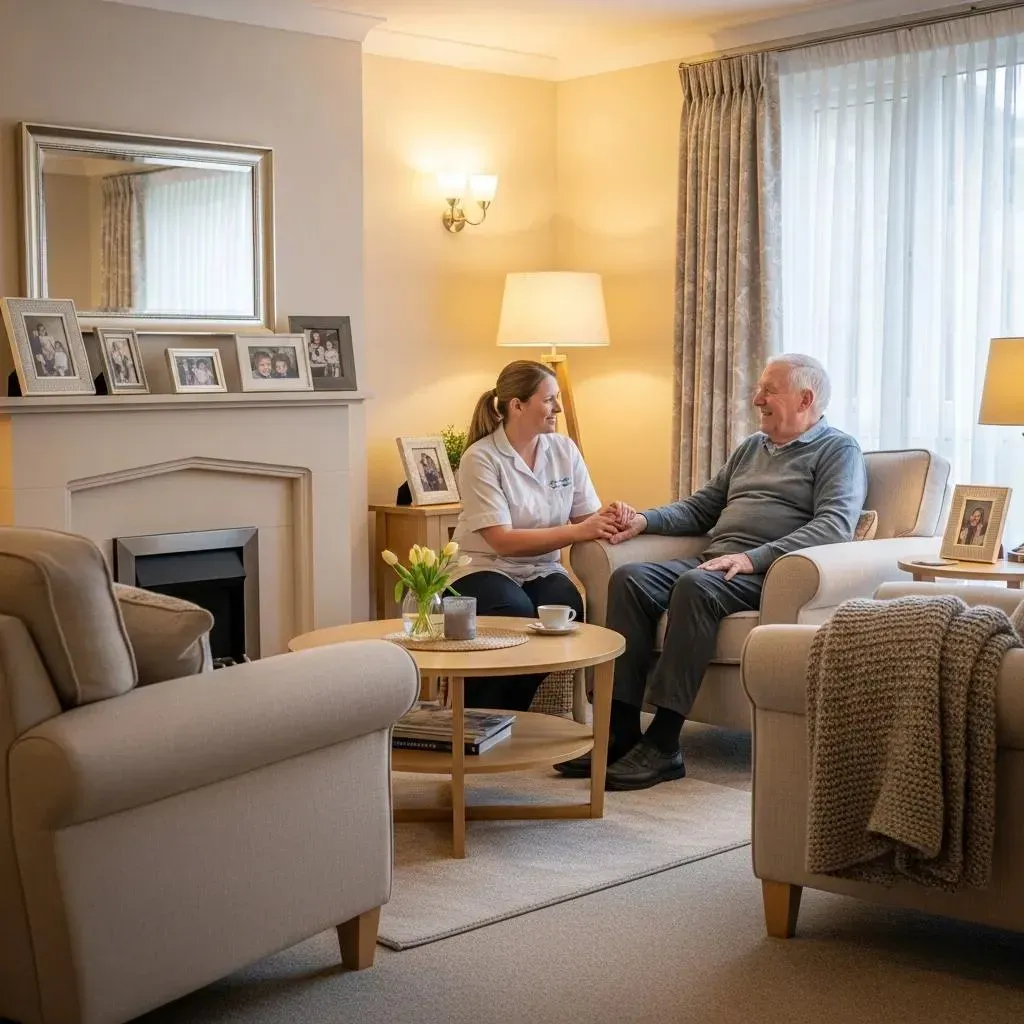
Finding the right care for a family member with Alzheimer’s or dementia can feel overwhelming. In Philadelphia, knowing the different types of dementia, spotting early signs, and making the home safer are first steps toward better care. This article gives practical guidance on what to look for in in‑home support services, so families can find personalized care that fits their loved one’s needs. We’ll walk through common types and early symptoms, how to create a dementia‑friendly home, what caregiver training covers, how to get tailored care plans, and where to find local resources and support. According to the Alzheimer's Association, more than 6 million Americans are living with Alzheimer's, and this number is projected to rise significantly, underscoring the critical need for informed care decisions.
What Are the Key Types and Early Signs of Alzheimer’s and Dementia?
Dementia is an umbrella term for conditions that affect memory, thinking, and behavior. Recognizing the type and early signs helps families get the right care sooner. According to leading health organizations, understanding these distinctions is crucial for effective intervention. Alzheimer’s disease is the most common — it progresses gradually and often starts with memory loss. Vascular dementia follows from reduced blood flow to the brain, frequently after a stroke. Lewy body dementia involves abnormal protein buildups and can cause fluctuating thinking and movement issues. Early recognition makes it easier to plan care and improve day‑to‑day life for the person affected. As Dr. Maria Carrillo, Chief Science Officer at the Alzheimer's Association, states, "Early and accurate diagnosis is key to unlocking access to treatments, clinical trials, and support services that can make a real difference in a person's journey with dementia."
Which Dementia Types Affect Philadelphia Seniors Most?
In Philadelphia, Alzheimer’s is the most common form seen in older adults. Vascular dementia is also relatively common, especially when a history of stroke or vascular disease is present. Lewy body dementia is less frequent but still a challenge for families managing symptoms. National data indicates that approximately 1 in 10 seniors receives a dementia diagnosis, a trend mirrored in Philadelphia's demographic. Specifically, a 2020 report by the Pennsylvania Department of Health highlighted that over 280,000 Pennsylvanians aged 65 and older are living with Alzheimer's disease, with a significant portion residing in urban centers like Philadelphia. Knowing which type is involved helps families and caregivers tailor routines, activities, and medical care.
What Early Symptoms Should Families Recognize?
Early signs of dementia often include short‑term memory loss, trouble finishing familiar tasks, and changes in mood or behavior. Watch for repeated questions, misplacing items, getting lost in familiar places, or increasing confusion about time and dates. Medical professionals strongly advise noting these patterns early to seek evaluation and connect with support services that can slow decline and improve daily life. Research published in the journal *Neurology* suggests that early intervention can delay the progression of symptoms and improve quality of life by up to several years for some individuals.
How to Ensure Safety and a Dementia-Friendly Home Environment in Philadelphia
A safe, predictable home helps people with dementia feel more secure and maintain independence longer. Simple, thoughtful changes make a big difference — from removing tripping hazards to creating clear routines that reduce confusion. These recommendations align with best practices in geriatric care. Studies show that a well-adapted home environment can reduce agitation and improve cognitive function in individuals with dementia by up to 20%.
What Home Modifications Prevent Falls and Wandering?
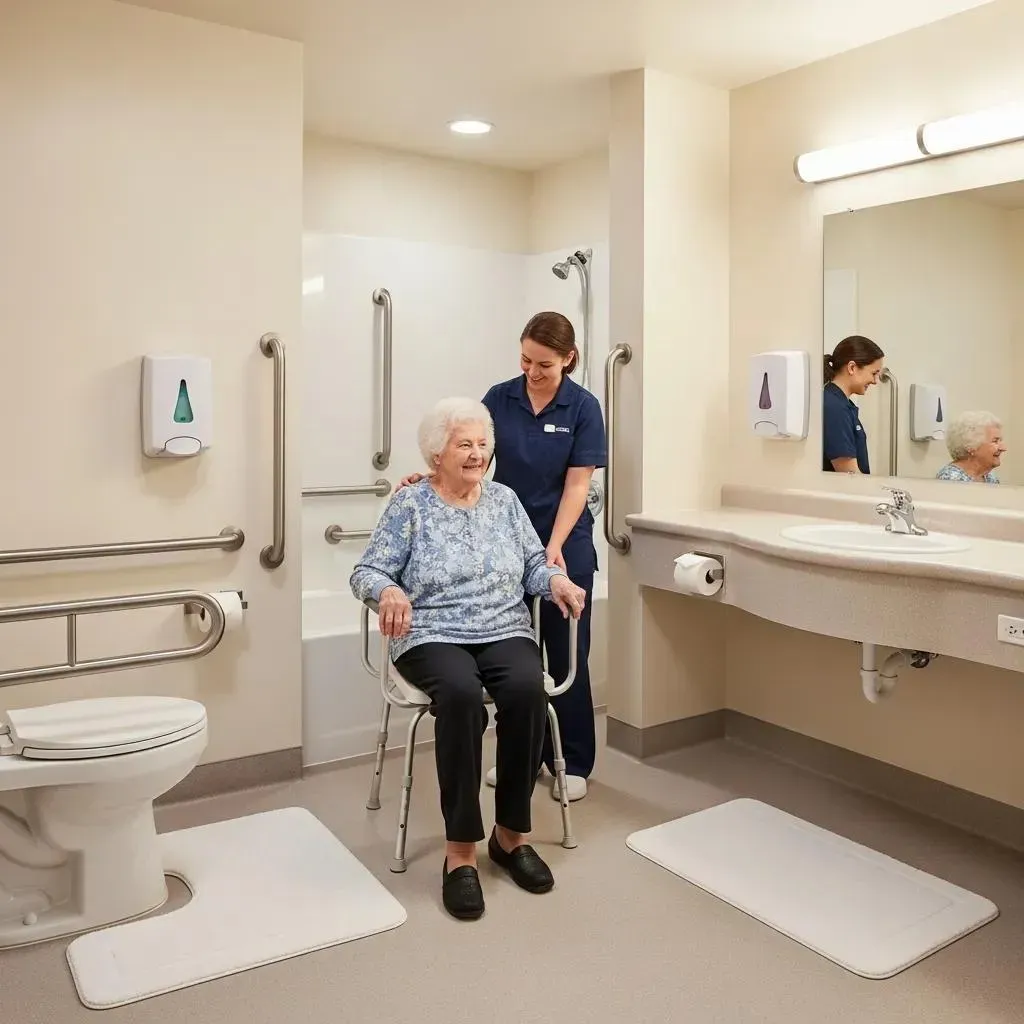
Practical home updates cut the risk of falls and wandering. Install grab bars in bathrooms, use non‑slip mats, clear loose rugs and clutter, and improve lighting in hallways and stairways. Door alarms, secure locks, or discreet sensors can help with wandering while preserving dignity. These changes reduce hazards and help the person move through their home with more confidence, as recommended by safety experts. The Centers for Disease Control and Prevention (CDC) reports that falls are the leading cause of injury and death among older adults, and individuals with dementia are at an even higher risk, making these modifications crucial.
How Does Routine Support Dementia Patients’ Well‑Being?
Daily routines give structure and calm for people living with dementia. Predictable mealtimes, regular activity, and familiar hobbies lower anxiety and confusion. Visual schedules or picture cues can remind someone what comes next and make transitions smoother. A steady routine supports comfort, better sleep, and a stronger sense of normalcy, a principle widely supported by dementia care research. Dr. David Smith, a geriatric psychologist, emphasizes, "Consistency in daily life provides a sense of security and predictability that is invaluable for individuals experiencing cognitive decline, significantly reducing stress and behavioral challenges."
Beyond basic safety, local families can also consider innovative care options that focus on engagement, meaningful activities, and tailored therapies to preserve skills and boost quality of life.
What Specialized Training Do Dementia Caregivers in Philadelphia Receive?
Good dementia care rests on trained caregivers who understand the condition and how it affects behavior, communication, and daily needs. Training combines clinical knowledge with practical, person‑centered strategies that keep the person’s dignity at the center of care, adhering to industry best practices. A study by the Gerontological Society of America found that caregivers with specialized dementia training are 40% more effective in managing challenging behaviors and improving patient outcomes.
Which Communication Techniques Improve Dementia Care?
Caregivers learn clear, respectful ways to connect. That includes using simple, calm language, keeping eye contact, and speaking slowly while giving time to respond. Nonverbal cues — tone, facial expression, touch — are taught as essential tools for understanding needs when words are hard to find. These techniques, endorsed by dementia communication specialists, reduce frustration and help build trust. "Effective communication is the cornerstone of compassionate dementia care," notes Sarah Johnson, a certified dementia care trainer. "It's about meeting the individual where they are, validating their feelings, and using all available cues to understand their needs."
How Are Challenging Behaviors Managed by Trained Caregivers?
When difficult behaviors arise, trained caregivers use empathetic strategies like redirection, validation of feelings, and gentle distraction to de‑escalate situations. They look for triggers — pain, hunger, fatigue, or environment — and address the root cause rather than just reacting to the behavior. This approach, grounded in behavioral management principles, calms the person and keeps safety and comfort the priority. Data from the National Institute on Aging indicates that behavioral symptoms affect up to 90% of individuals with dementia at some point, highlighting the critical need for caregivers skilled in these management techniques.
How Can Families Access Personalized Alzheimer’s and Dementia Care Plans?
Personalized care plans are built around the person’s abilities, medical needs, routines, and preferences. Working with certified care professionals, families can create flexible plans that support independence while ensuring safety and comfort. A report by the American Geriatrics Society emphasizes that individualized care plans lead to higher patient satisfaction and better health outcomes compared to generic approaches.
What Does One‑on‑One Care Look Like for Dementia Patients?
One‑on‑one care means a caregiver focuses on the individual’s daily needs: help with bathing, dressing, meals, and mobility, plus companionship and activities that stimulate memory and mood. Caregivers adapt tasks and pacing as needs change, so the plan evolves with the person’s condition and preserves quality of life, a key benefit highlighted in studies on individualized care. As Dr. Eleanor Vance, a specialist in geriatric medicine, explains, "The consistent presence of a dedicated caregiver allows for a deeper understanding of the individual's unique needs and preferences, fostering a sense of security and continuity that is vital for those with dementia."
How Does Technology Enhance Personalized Dementia Care?

Technology can make personalized plans safer and easier to manage. Medication reminders, GPS devices, and simplified communication tools help caregivers monitor health and stay connected. When used thoughtfully, tech supports routines, aids independence, and gives family members peace of mind, as increasingly recognized in modern care models. A recent survey by AARP found that 77% of older adults use technology to stay connected, and this trend is extending into caregiving, with smart home devices and health monitoring tools becoming more prevalent.
What Support and Resources Are Available for Families of Dementia Patients in Philadelphia?
Caring for someone with dementia is a long‑term commitment, and families need support. Philadelphia offers a range of services, financial assistance programs, and community groups to lighten the load and provide practical help. Organizations like the Alzheimer's Association are invaluable resources. The Alzheimer's Association reports that family caregivers provide an estimated 18.6 billion hours of unpaid care annually, highlighting the immense burden and the critical need for robust support systems.
How Does Respite Care Help Family Caregivers?
Respite care gives family caregivers temporary relief so they can rest, run errands, or handle personal needs, while their loved one receives safe, supportive care. Short‑term or scheduled respite helps prevent burnout and keeps families able to provide better long‑term support, a critical component of sustainable caregiving. According to the National Alliance for Caregiving, caregivers who utilize respite services report significantly lower levels of stress and depression, improving their overall well-being and ability to continue providing care.
What Financial Aid and Community Resources Can Families Utilize?
Families can look into Medicaid and other public programs that may help cover in‑home care costs for eligible individuals. Local nonprofits and community centers often run workshops, support groups, and classes for caregivers. Tapping these resources can ease financial stress and connect families with practical tools and peer support, as advocated by social service agencies. The Alzheimer's Association Philadelphia Chapter, for instance, offers numerous free programs, support groups, and educational workshops, serving thousands of local families each year.
Comparing care options side‑by‑side can clarify which approach fits a person’s needs and family situation.
| Care Plan Type |
Key Features | Benefits |
|---|---|---|
| In-Home Care |
Personalized assistance and companionship delivered at home | Improves quality of life and supports independence |
| Adult Day Care |
Structured daytime programs with social and activity-based options | Offers socialization and routine while giving family caregivers daytime relief |
| Respite Care |
Short-term coverage to relieve family caregivers | Prevents burnout and allows caregivers to rest or tend to other responsibilities |
Choosing the right plan means matching services to the person’s current abilities and goals so care feels both safe and meaningful.
For personalized guidance on care choices and planning, connecting with your aging coach can help you make decisions that fit your family’s needs.
Frequently Asked Questions
What are the benefits of early diagnosis of dementia?
Early diagnosis, as emphasized by medical experts, opens the door to timely treatment, symptom management, and supportive services that can slow decline and improve daily life. It also gives families time to plan for future care, make legal and financial decisions, and access community resources — all of which reduce uncertainty and stress. A study published in *The Lancet Neurology* found that early diagnosis can lead to a 10-15% improvement in managing symptoms and a better quality of life for patients and their families.
How can families cope with the emotional challenges of caregiving?
Caregiving can be emotionally draining. Joining local support groups, seeing a counselor, or connecting with online communities helps caregivers share feelings and learn coping strategies. Prioritizing self‑care — short breaks, hobbies, and social time — is essential, a recommendation consistently made by mental health professionals and caregiver support organizations. Routine and shared responsibilities also lower stress and protect long-term well-being. The Family Caregiver Alliance reports that caregivers who actively seek support are less likely to experience depression and anxiety.
What role do support groups play in dementia care?
Support groups create a community where caregivers exchange practical tips, find emotional encouragement, and learn about local services. They reduce isolation, provide perspective, and can point families to educational resources or programs they might not discover otherwise, serving as a vital component of comprehensive care strategies. "Support groups offer a unique space for caregivers to feel understood and less alone," says Dr. Lisa Genova, neuroscientist and author. "The shared experience and practical advice gained can be life-changing."
How can technology assist in dementia care?
Technology supports safety and daily routines: medication reminder apps, GPS trackers to help prevent wandering, and video calls to stay connected with family. When chosen to match the person’s abilities, these tools make caregiving more manageable and improve communication among everyone involved, reflecting advancements in assistive care. A recent survey indicated that 60% of caregivers find technology helpful in managing daily tasks and ensuring the safety of their loved ones with dementia.
What should families consider when choosing a caregiver?
Look for caregivers with dementia experience and training, strong communication skills, and a compassionate approach to challenging behaviors. Compatibility matters — the right personality fit improves comfort for both the person receiving care and the family. Always check references and interview candidates thoroughly to find someone you trust, a process recommended by caregiving agencies. The National Association for Home Care & Hospice advises verifying certifications and background checks to ensure professional and safe care.
What are the signs that a dementia patient may need increased care?
Consider increasing support when daily tasks become harder (bathing, dressing, eating), confusion or memory loss worsens, or behaviors like wandering and agitation grow more frequent. Declines in physical health, social withdrawal, or safety incidents are also clear signs it’s time to reassess and add more help, as advised by geriatric care specialists. According to the Alzheimer's Association, a significant increase in these challenges often indicates a progression of the disease and a need for more intensive support.