
Personal Care Assistance in Philadelphia — When Everyday Tasks Feel Overwhelming
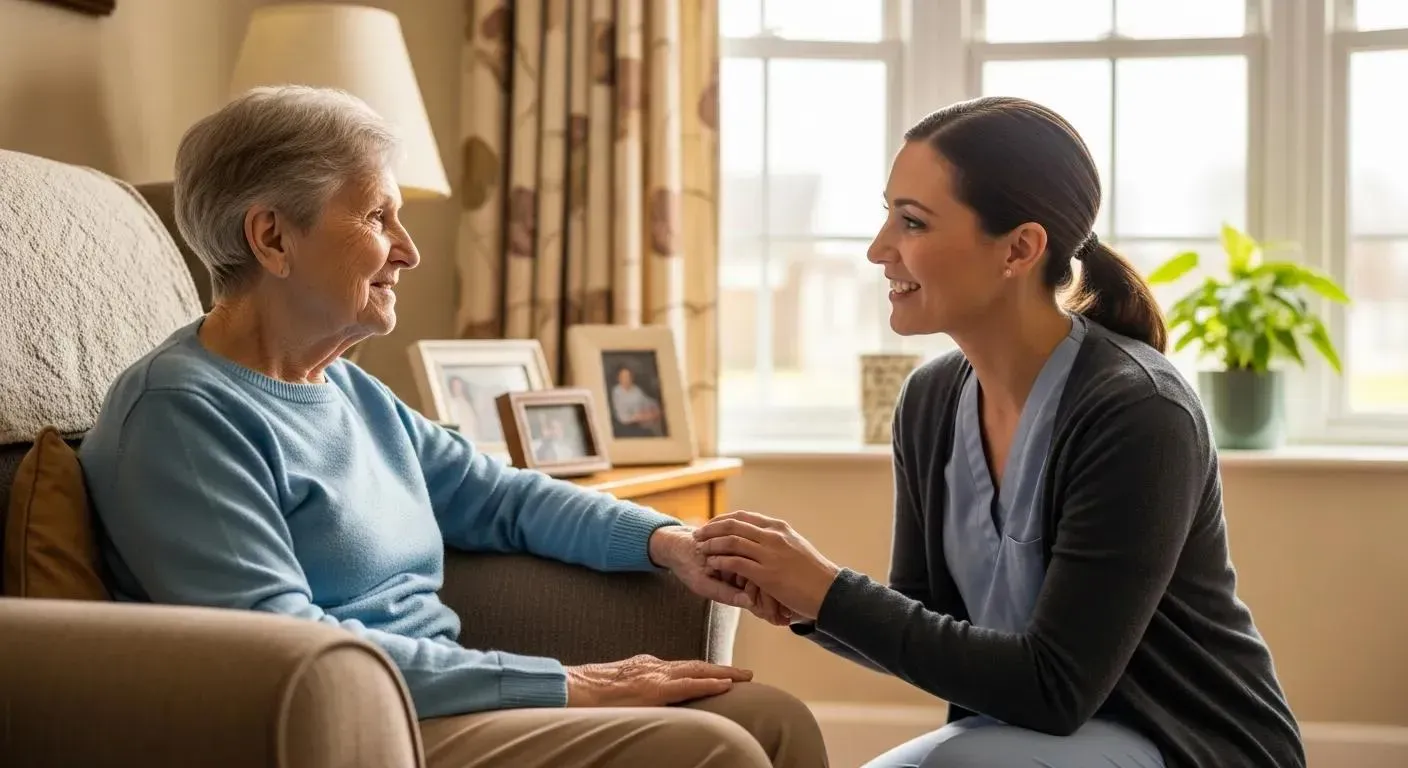
Personal care assistance gives seniors the practical help they need while protecting independence and dignity. Below, we explain personal care assistance in Philadelphia: the services available, signs that it might be time to get help, and how families can choose trusted providers. With clear information, families can make decisions that support their loved ones’ health and comfort. Notably, a 2021 AARP study found that 77% of adults aged 50 and older want to remain in their homes for the long term, underscoring the critical demand for in-home support services like personal care assistance.
What Is Personal Care Assistance and Why Is It Essential for Seniors in Philadelphia?
Personal care assistance includes hands-on help with everyday activities so people can continue living safely at home. Beyond meeting physical needs, these services support emotional wellbeing by preserving routines and personal choice. The main benefits are greater safety, higher quality of life, and more independence for the person receiving care. According to the National Council on Aging, falls are the leading cause of fatal injury and the most common cause of nonfatal trauma-related hospital admissions among older adults, making mobility support and a safe home environment crucial.
Which Daily Living Activities Does Personal Care Support?
Personal care assistance commonly covers everyday tasks such as:
- Bathing Assistance: Support with bathing and personal grooming to protect health and self-respect.
- Meal Preparation: Making balanced, appropriate meals that meet dietary needs. Research published in the journal *Clinical Nutrition* indicates that malnutrition is prevalent among older adults and can significantly increase the risk of hospital readmissions and mortality.
- Mobility Support: Helping with walking, transfers, and moving safely around the home to lower fall risk.
These services help seniors stay comfortable and dignified while remaining in familiar surroundings.
How Does In-Home Care Promote Independence and Dignity?
Caregivers focus on preserving personal preferences and privacy, which helps people feel respected and in control. Being cared for in a familiar home also supports emotional wellbeing, making in-home care a preferred choice for many families. A 2017 study published in the *Journal of the American Geriatrics Society* found that older adults receiving home care reported higher satisfaction with their care and better quality of life compared to those in institutional settings.
How to Recognize When Seniors Need Help with Daily Tasks in Philadelphia?
It can be hard to know when it’s time to bring in help. Watching for early signs lets families act before a small problem becomes a crisis, improving safety and quality of life. The Centers for Disease Control and Prevention (CDC) reports that over 36 million falls are reported among older adults each year, resulting in more than 32,000 deaths. Recognizing early signs of mobility issues is therefore paramount.
What Are the Physical Signs Indicating Need for Assistance?
Physical clues that someone may need help include:
- Difficulty with Hygiene: Trouble bathing, dressing, or grooming independently.
- Mobility Issues: Frequent stumbles, slowed walking, or trouble getting up from chairs.
- Unexplained Bruises or Injuries: Marks that may indicate recent falls or accidents.
Noticing these signs early makes it easier to arrange the right support and reduce risk.
How Do Cognitive and Emotional Changes Signal Care Needs?
Changes in thinking or mood are also important to monitor. Watch for:
- Memory Lapses: Missing appointments, forgetting medications, or repeating questions. The Alzheimer's Association estimates that 6.7 million Americans aged 65 and older are living with Alzheimer's dementia in 2023.
- Social Withdrawal: Pulling away from friends, family, or regular activities.
- Mood Changes: Sudden irritability, apathy, or prolonged sadness.
When these patterns appear, a care plan that includes cognitive and emotional support can make a big difference.
What Comprehensive Personal Care Services Are Available in Philadelphia?
Philadelphia has a range of personal care services designed to keep seniors safe and comfortable at home. Services are tailored to each person’s needs and can be combined as circumstances change.
How Do Bathing, Dressing, and Grooming Assistance Improve Quality of Life?
Help with bathing, dressing, and grooming keeps seniors healthy and confident. Caregivers assist discreetly and respectfully, helping people feel their best and remain socially engaged. Maintaining personal hygiene is not just about physical health; it significantly impacts self-esteem and social participation, as highlighted by numerous geriatric care studies. For instance, a review in the *Journal of Gerontological Nursing* emphasizes that maintaining personal hygiene is crucial for preserving dignity and preventing social isolation in older adults.
What Role Do Meal Preparation, Medication Reminders, and Mobility Support Play?
Regular, nutritious meals support overall health, while medication reminders help prevent missed doses and complications. The CDC reports that medication non-adherence leads to approximately 125,000 deaths and 10% of hospitalizations annually in the U.S. Mobility support lowers the chance of falls and encourages safe movement, so seniors can stay active when possible.
How Does Home Matters Caregiving Personalize Senior Care in Philadelphia?

Home Matters Caregiving focuses on individualized care plans that reflect each person’s routines, preferences, and goals. We start by listening, then build practical support that fits the life your loved one wants to lead.
What Is the Role of Your Aging Coach in Personalized Care?
An Aging Coach helps families navigate choices, identify real needs, and connect to local resources. They coordinate care plans and act as a steady point of contact, so families feel guided and supported through every step. This personalized approach aligns with best practices in geriatric care management, which emphasize holistic support and family involvement, as advocated by organizations like the National Association of Professional Geriatric Care Managers (NAPGCM).
How Does the Virtual Assessment Tool Enhance Proactive Care?
The Virtual Assessment Tool lets families and caregivers check needs remotely and spot changes early. It delivers clear insights to guide decisions about care options, helping you respond quickly and avoid surprises. Telehealth and remote monitoring technologies have been shown to improve health outcomes and reduce healthcare costs, particularly for chronic disease management, according to a 2020 report by the American Medical Association.
How Can Families Choose and Fund Reliable Personal Care Providers in Philadelphia?
Picking the right personal care provider matters for safety and peace of mind. Consider experience, fit, and how a provider communicates with your family.
What Key Questions Should Families Ask When Selecting a Provider?
Ask these essential questions when evaluating providers:
- Experience and Qualifications: What training, certifications, and hands-on experience do caregivers bring? Many states, including Pennsylvania, require specific training hours and background checks for home care aides, ensuring a baseline level of competence and safety.
- Care Plan Customization: Will the provider tailor a plan to your loved one’s daily routines and preferences?
- Emergency Procedures: What steps are in place for urgent situations and how are families notified?
Clear answers to these questions help you compare providers and choose one you can trust.
Which Funding Options and Insurance Coverages Are Available?
Understanding payment options helps families plan. Common routes include:
- Medicare and Medicaid: Medicare usually won’t cover non-medical in-home personal care, though Medicaid may cover some services for eligible people through state waivers or programs. In Pennsylvania, the Community HealthChoices program, a managed care program for individuals who are dually eligible for Medicare and Medicaid or who need long-term services and supports, covers a broad range of home and community-based services.
- Private Insurance Options: Certain long-term care policies can help pay for personal care services. According to the American Association for Long-Term Care Insurance, the average annual cost of a home health aide was $61,776 in 2021, making long-term care insurance a significant consideration for many families.
- State Assistance Programs: Pennsylvania offers programs like Community HealthChoices that can provide financial support for qualifying seniors.
Looking into these options early can make home care more affordable and reduce unexpected expenses.
Philadelphia Community Health Services & Medicaid HealthChoices
This site visit gave federal and agency staff a chance to see local facilities and discuss essential community health services firsthand. It focused on community-based primary care within a managed-care setting and addressed delivery and financing issues for nursing centers, community health centers, public-mission hospitals, and homeless services. The visit examined how the Medicaid HealthChoices program was being implemented in the city, including access to care for people without public or private insurance, and considered the broader role of public health as both public and private insurers expanded managed-care approaches.
Site Visit to Philadelphia—Providing Community-Based Primary Care: Nursing Centers, CHCs, and Other Initiatives, 1998
More recent evaluations have looked at Community HealthChoices’ effects on people receiving home and community-based services, especially its influence on quality of life and psychological wellbeing.
Community HealthChoices: Improving Quality of Life for HCBS Participants
Researchers interviewed a stratified, random sample of participants across Pennsylvania regions and implementation phases, with comparison groups in later regions. That design helped identify the program’s effects on participant quality of life and psychological wellbeing. The sample represented people ages 21–59 and those over 60 who use home and community-based services (HCBS), plus dually eligible adults who do not use long-term supports. Results showed increased engagement in preferred activities among HCBS users, small improvements in psychological wellbeing, and a decline in depressive symptoms. Overall, the implementation of Community HealthChoices appears to have produced positive changes on several wellbeing measures.
EFFECT OF COMMUNITY HEALTHCHOICES ON PARTICIPANT QUALITY OF LIFE AND PSYCHOLOGICAL WELL-BEING, 2022
Exploring these funding and program options can help families manage the cost of personal care while keeping their loved one safe and supported at home.
What Specialized Personal Care Services Support Seniors with Chronic Conditions in Philadelphia?
Seniors living with chronic conditions often need tailored personal care to manage symptoms and stay independent. Philadelphia providers offer specialty services that address those longer-term needs. The National Council on Aging reports that about 80% of older adults have at least one chronic condition, and 68% have two or more, highlighting the widespread need for specialized care.
How Is Alzheimer’s and Dementia Care Tailored for Philadelphia Seniors?
Alzheimer’s and dementia care focuses on safety, routine, and reducing confusion. Caregivers receive training to respond calmly, maintain consistent schedules, and use strategies that support memory and comfort—helping preserve dignity and reduce stress for both seniors and families. Specialized training in dementia care, such as the Hilarity for Charity (HFC) Caregiver Training Grant Program, equips caregivers with essential skills to manage challenging behaviors and provide person-centered care. Furthermore, studies published in *The Gerontologist* emphasize the importance of individualized, non-pharmacological interventions in improving the quality of life for individuals with dementia.
What Support Is Offered for Parkinson’s and Post-Hospitalization Recovery?
Care for people with Parkinson’s or those recovering from hospital stays typically includes targeted mobility support, careful medication management, and help with daily tasks. Caregivers coordinate with medical providers to follow recovery plans and adjust support as needs change. Post-hospitalization care is crucial, as nearly one in five Medicare patients discharged from a hospital is readmitted within 30 days, often due to inadequate transitional care, according to a report by the Medicare Payment Advisory Commission (MedPAC).
| Service | Description | Benefits |
|---|---|---|
| Bathing Assistance | Support with personal hygiene and bathing | Better health and confidence |
| Meal Preparation | Preparing nutritious, diet-sensitive meals | Improved nutrition and easier health management |
| Mobility Support | Help with transfers, walking, and safe movement | Lower fall risk and greater safety |
This table highlights common personal care services available in Philadelphia and the ways they help seniors stay safe, healthy, and independent at home.
Seniors across Philadelphia can gain real benefits from personal care assistance—practical help that preserves dignity and daily routines. By spotting early signs that support is needed and choosing the right provider, families can protect their loved one’s safety and quality of life. Home Matters Caregiving focuses on tailoring care to each person’s needs, helping families move forward with confidence.
Frequently Asked Questions
What qualifications should I look for in a personal care assistant?
Look for caregivers with relevant training (for example, in geriatric or personal support), certifications where available, and hands-on experience with the needs your loved one has. Ask about experience with mobility assistance, dementia care, or other specific conditions. Check references and background checks to confirm reliability and professionalism. Many states, including Pennsylvania, require specific training hours and background checks for home care aides, ensuring a baseline level of competence and safety.
How can families ensure the safety of seniors receiving personal care?
Start with a home safety assessment to spot hazards like loose rugs or poor lighting. Choose caregivers trained in fall prevention and emergency response, and keep open communication about changes in health or behavior. Regular check-ins, clear care plans, and simple monitoring tools help families stay informed and act quickly when needed. The National Institute on Aging recommends several home modifications, such as installing grab bars and improving lighting, to significantly reduce fall risks.
What are the benefits of using technology in personal care services?
Technology can improve medication adherence, enable telehealth check-ins, and provide remote monitoring through wearables. These tools make it easier to coordinate care, spot issues earlier, and keep families and providers connected without adding stress to daily life. A study published in the *Journal of Medical Internet Research* found that remote monitoring systems can reduce hospitalizations by up to 30% for seniors with chronic conditions.
How can families address the emotional needs of seniors receiving care?
Emotional support is as important as practical help. Encourage visits from friends and family, involve seniors in community activities, and keep conversations about how they’re feeling. Incorporate hobbies and meaningful routines into care plans, and consider counseling or support groups if isolation or depression is a concern. Research from the National Academies of Sciences, Engineering, and Medicine indicates that social isolation significantly increases a person's risk of premature death from all causes, comparable to that of smoking, obesity, and physical inactivity.
What should families do if they are unhappy with the care provided?
Address issues promptly: speak directly with the caregiver or agency to describe concerns and seek solutions. Keep a written record of incidents and communications. If problems persist, request a different caregiver, escalate to agency management, or explore other providers. Above all, make safety and wellbeing the top priority. Reputable agencies typically have a formal complaint resolution process and are committed to ensuring client satisfaction and safety, with many adhering to standards set by organizations like the Home Care Association of America (HCAOA).
Are there specific programs in Philadelphia that support low-income seniors needing personal care?
Yes. Programs like Community HealthChoices can help eligible seniors cover home and community-based services. Local nonprofits and state assistance programs may offer additional resources. Families should research eligibility and reach out to providers or aging services for help navigating available options. For instance, the Philadelphia Corporation for Aging (PCA) is a local Area Agency on Aging that provides a wealth of information and resources for seniors and their families, including assistance with accessing various support programs.