
How Senior Home Care Services in Philadelphia Help Seniors Stay Independent Longer
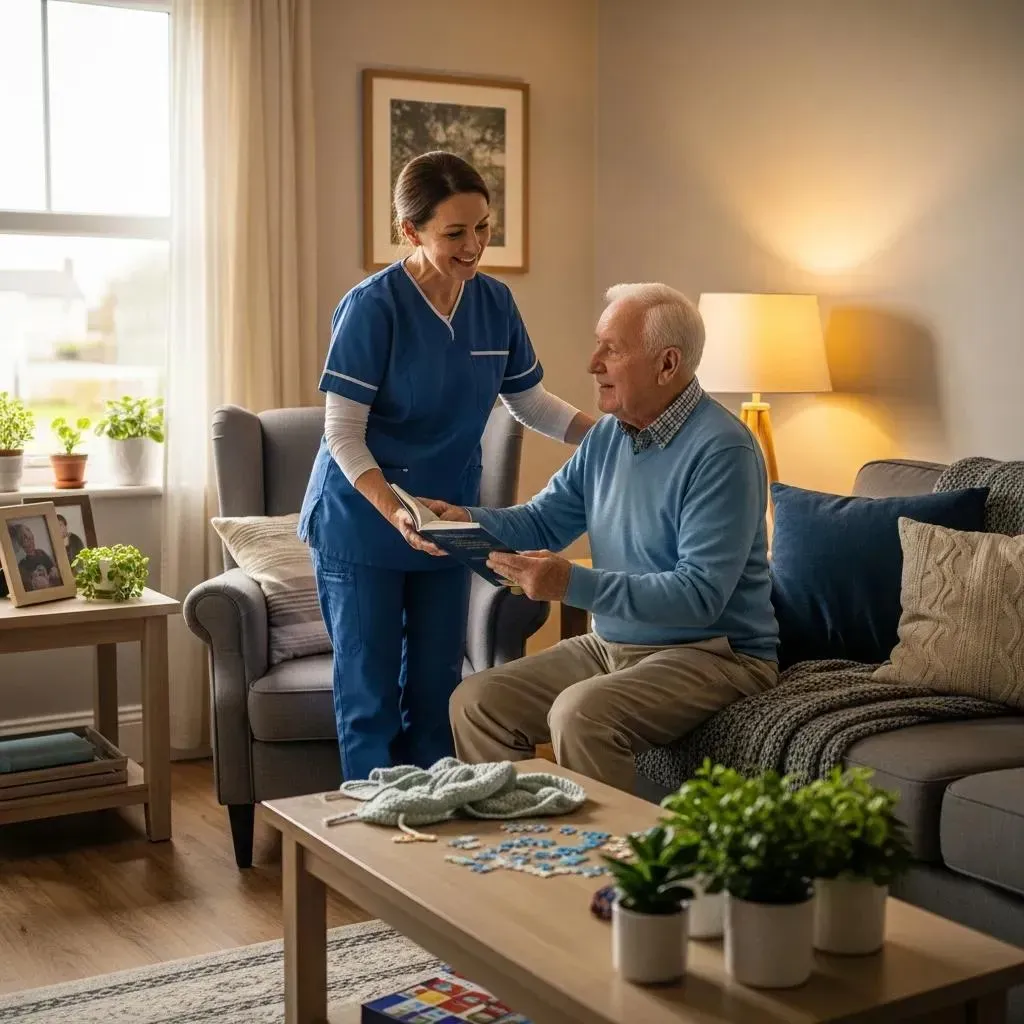
Keeping independence as we age matters — it supports dignity, routine, and overall well‑being. In‑home care gives older adults the practical help they need to stay in familiar surroundings while getting support for daily tasks, health needs, and social connection. This article explains how in‑home care in Philadelphia helps seniors age in place, what services are available, and how families can choose a provider so loved ones remain safe and independent. To learn more about the provider, visit Home Matters Caregiving's About Us page.
What Are the Key Benefits of Aging in Place with In-Home Care in Philadelphia?
Aging in place with thoughtful in‑home support can strengthen seniors' quality of life in several ways. Common benefits include:
Research shows that aging in place — when paired with adequate community supports — delivers meaningful physical and psychological benefits for older adults. According to a 2021 AARP study, nearly 90% of adults aged 65 and older want to remain in their homes as they age, highlighting the importance of supportive home care services.
Benefits of Aging in Place with Community Support
Although most older adults prefer to remain in their homes and can gain both psychological and physical benefits from doing so, safe and dignified aging in place relies on community supports. This commentary examines demographic shifts nationally and in Delaware, outlines benefits and challenges to aging in place, and describes individual and system-level strategies needed to help older adults succeed in their homes.
Aging in place: are we prepared?, 2022
- Independence and autonomy: Staying at home lets seniors keep control over daily routines and personal choices, which reinforces self‑confidence and normalcy. The National Institute on Aging notes that maintaining autonomy is linked to better mental health outcomes in seniors.
- Personalized care: In‑home services are tailored to each person’s needs so support matches the level of help required — no more, no less. Learn more about these services at Home Matters Caregiving Services.
- Companionship: Regular, friendly interaction with caregivers reduces isolation and supports emotional health. Studies from the National Academies of Sciences, Engineering, and Medicine show that social isolation increases the risk of premature death by 29% among older adults.
- Enhanced safety: In-home caregivers help prevent accidents by assisting with mobility and monitoring the environment for hazards, reducing the risk of falls and injuries. This proactive approach helps seniors maintain a safer living space.
- Health monitoring and management: Caregivers can assist with medication reminders, monitor vital signs, and observe changes in health status, enabling early intervention and better management of chronic conditions.
- Emotional and mental well-being: Beyond companionship, caregivers provide emotional support that can alleviate feelings of anxiety and depression, contributing to improved overall mental health.
- Support for family caregivers: In-home care services offer respite and peace of mind to family members, reducing caregiver stress and burnout while ensuring their loved ones receive professional care.
Home Matters Caregiving, a Philadelphia‑based in‑home care provider, aims to help older adults preserve independence through individualized home care services.
How Does Personalized Home Care Support Senior Independence?
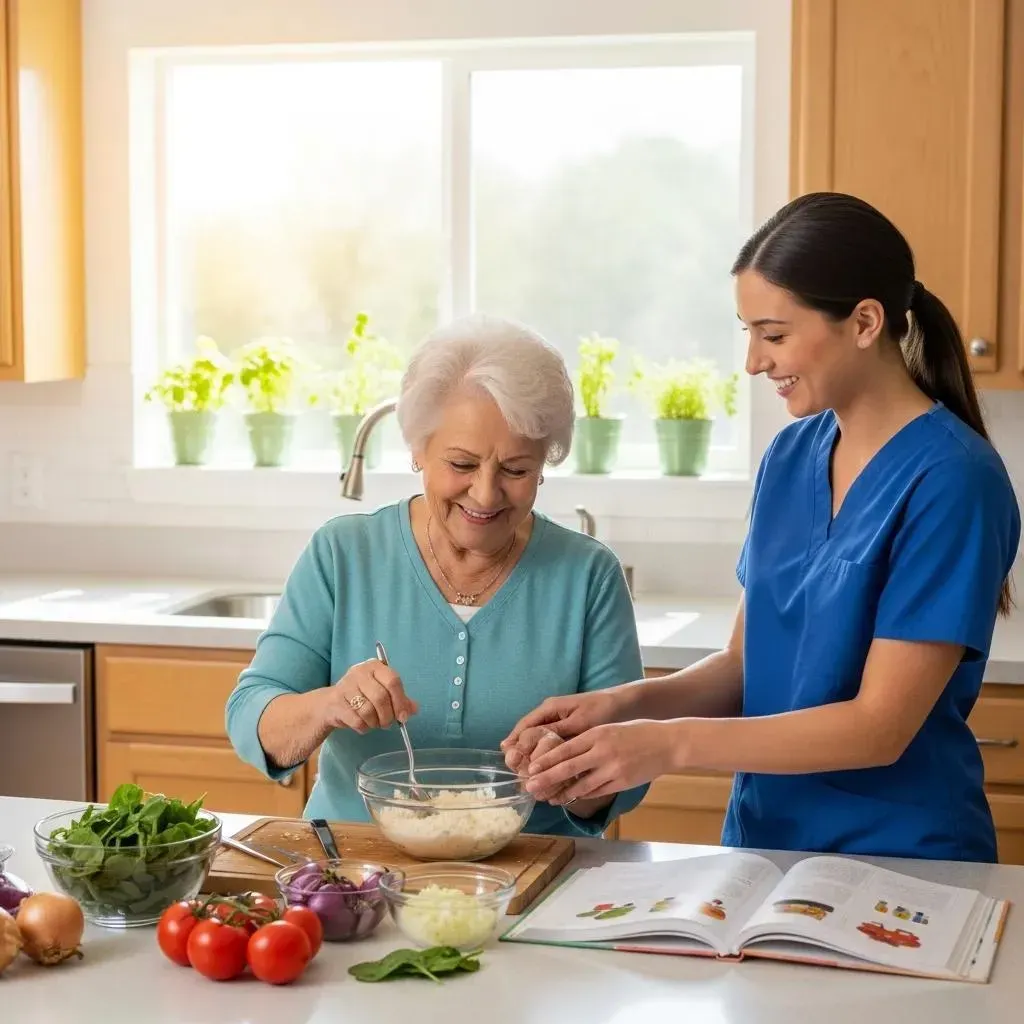
Personalized home care matches services to the person. Care plans include help with bathing, dressing, meal prep, mobility, and other daily activities. Customized care gives seniors the support to stay safe and independent while keeping dignity and routines that matter to them. Explore 1-on-1 personalized care options for tailored support.
Evidence shows home care is effective at promoting independence and delivering person‑centered support, including within integrated programs like PACE. According to the Centers for Medicare & Medicaid Services (CMS), PACE participants experience 30% fewer hospitalizations and 20% fewer emergency room visits compared to similar seniors without PACE services.
PACE Home Care: Supporting Senior Independence
The Program of All-Inclusive Care for the Elderly (PACE) is required under the Code of Federal Regulations Part 460 to include home care services as part of its all-inclusive model. Home care nurses, nurse aides, and personal care workers act as the eyes and ears in a participant's home, alerting the interdisciplinary team to changes or new needs so appropriate services can be arranged. The goal is to keep PACE participants as independent as possible for as long as possible, deliver person-centered care, and reduce emergency department and hospital visits by managing care at home.
The Role of Home Care in PACE, 2022
For nurse-guided care options, see Home Matters Nurse-Guided Care.
What Role Does Companionship Play in Elderly Care at Home?

Companionship is more than pleasant conversation — it’s part of health. Loneliness is linked to depression, cognitive decline, and other health risks. Caregivers provide practical assistance and social interaction — conversation, shared activities, and emotional support that sustain mental and emotional health at home. Discover more about personal and companion care services.
Additionally, companionship helps maintain cognitive function by engaging seniors in mentally stimulating activities such as games, reading, and discussions. This engagement can slow cognitive decline and improve quality of life.
Which Types of In-Home Care Services Are Available for Seniors in Philadelphia?
Philadelphia families can choose from a range of in‑home care options depending on the senior’s needs. These services generally fall into three categories:
- Personal & companion care: Help with personal care tasks and friendly companionship. Details are available at Personal and Companion Care.
- Daily living support: Assistance with meal preparation, light housekeeping, transportation, and medication reminders. Additional services can be found at Additional Services.
- Specialized care: Targeted services for specific conditions — for example, dementia care or respite support for family caregivers. Learn about innovative care options at Innovative Care Options.
- Skilled nursing care: For seniors requiring medical oversight, skilled nursing services provide clinical care such as wound management, injections, and chronic disease monitoring, often coordinated with physicians and therapists.
- Rehabilitative therapies: Physical, occupational, and speech therapy services delivered at home to help seniors recover from illness or surgery and maintain functional independence.
What Is Included in Personal Care and Home Health Care for Seniors?
Personal care covers tasks that keep daily life running. Typical services include:
- Assistance with personal care tasks: Support for bathing, grooming, dressing, and mobility.
- Medication management: Help organizing and taking medications as prescribed to reduce errors and complications. More information is available at Medication Assistance.
- Meal preparation and nutrition support: Assistance with planning and preparing balanced meals tailored to dietary needs and preferences, promoting health and energy.
- Household management: Light housekeeping, laundry, and errands to maintain a clean and comfortable living environment.
How Do Specialized Services Like Dementia and Respite Care Support Aging in Place?
Specialized services address needs that go beyond routine help. Dementia care focuses on safety, routines, and communication strategies that respect cognitive changes. Respite care gives family caregivers a planned break while a trained professional provides temporary, reliable care. Both options make staying at home safer and more sustainable over time. For Parkinson’s-specific care tips, visit Home Care Assistance Tips for Parkinson’s.
Specialized dementia care also includes behavioral management techniques and environmental modifications to reduce confusion and agitation, enhancing quality of life for both seniors and their families.
Respite care can be scheduled for short-term periods or extended stays, providing flexibility to meet the evolving needs of caregivers and seniors alike.
How Can Philadelphia Seniors Choose the Right Home Care Provider?
Choosing a home care provider is important. Consider several practical and personal factors to find a provider who meets the senior’s needs and fits the family’s expectations. For guidance, see Better Training, Better Care.
What Qualifications Should Certified Caregivers Have?
High‑quality caregivers hold relevant credentials and training. Key qualifications include:
- Certified Nursing Assistant (CNA): Certification that indicates training to provide basic clinical and personal care.
- Home Health Aide (HHA): Specialized training focused on daily living support and safe, respectful personal care in the home.
- Specialized training: Additional certifications in dementia care, fall prevention, or chronic disease management enhance caregiver skills for specific senior needs.
How to Evaluate Local Senior Home Care Services in Philadelphia?
When comparing local agencies, keep these checks in mind:
- Check reviews: Read feedback from other families to understand real experiences with the agency. Visit FAQs and reviews for more information.
- Interview caregivers: Meet caregivers to assess skills, temperament, and how well they connect with your loved one.
- Verify credentials: Confirm certifications, background checks, and agency training and supervision.
- Assess communication and responsiveness: A good agency maintains clear, timely communication with families and caregivers, ensuring concerns are addressed promptly.
- Review care plans and flexibility: Ensure the provider offers personalized, adaptable care plans that can evolve with changing needs.
What Are the Cost and Financing Options for Senior Home Care in Philadelphia?
Understanding costs helps families plan. In‑home care prices vary by service type, caregiver experience, and the hours needed.
How Much Does In-Home Care Typically Cost in Philadelphia?
Typical personal care rates in Philadelphia range from $25 to $35 per hour. Actual cost depends on the caregiver’s experience, the complexity of care, and how many hours of service are required. According to Genworth’s 2023 Cost of Care Survey, the national median hourly rate for home health aide services is $28, aligning with local Philadelphia rates.
Additional costs may apply for specialized services or live-in care arrangements. Families should discuss pricing structures and any potential extra fees with providers upfront.
What Financial Assistance Programs Support Aging in Place?
Several programs can ease the financial burden of in‑home care. Common options include:
- PACE Program (Program of All‑Inclusive Care for the Elderly): Provides comprehensive, coordinated services for eligible seniors.
- Veterans benefits: Financial support for eligible veterans and their families to help cover in‑home care needs.
- Medicaid waivers: State-specific programs that may cover home care services for qualifying individuals.
- Long-term care insurance: Policies that can help pay for in-home care depending on coverage terms.
Research reviewing community and in‑home care models highlights how programs such as PACE and state‑funded services can support aging in place.
Community & In-Home Supportive Services for Seniors
This review compares models for serving older adults in the community, including the Program of All-Inclusive Care for the Elderly (PACE) and state-financed approaches that provide in-home supportive services.
Community and in-home models, 2008
These programs can reduce out‑of‑pocket costs and make in‑home care more accessible, helping seniors remain at home.
Frequently Asked Questions
What should families consider when assessing the quality of in-home care services?
Start by reading reviews and testimonials. Interview potential caregivers to evaluate skills and personality fit. Confirm certifications, background checks, and training policies. Ask about supervision, staff turnover, and emergency procedures so you understand how the agency handles unexpected situations. Visit Home Matters FAQs for more details.
How can in-home care services adapt to changing needs over time?
Care plans should be flexible. Agencies should regularly review and update plans based on health changes, new medical advice, or evolving preferences. Caregivers are trained to spot shifting needs and alert supervisors or family members so services can be adjusted promptly.
What role do family members play in the in-home care process?
Family members are key partners. They help assess needs, share routines and preferences, and stay involved in care planning. Families provide emotional support and monitor care quality through regular communication with caregivers and the agency. Learn about the care team approach.
Are there specific health conditions that require specialized in-home care services?
Yes. Conditions such as dementia, Alzheimer’s, Parkinson’s disease, and complex post‑surgical recovery often require specialized support. Trained caregivers can provide safety monitoring, medication oversight, cognitive‑support strategies, and tailored routines to meet these needs.
How can technology enhance in-home care for seniors?
Technology can improve access and safety. Telehealth lets seniors consult clinicians from home. Monitoring devices can track vitals and notify caregivers of concerning changes. Smart home tools — automated lighting, medication reminders, and emergency alert systems — help maintain independence while adding a safety net. According to a 2022 report by the National Institute on Aging, technology-assisted care can reduce hospital readmissions by up to 25%.
What are the signs that a senior may need in-home care services?
Look for changes such as difficulty with bathing, dressing, or meal preparation; increased forgetfulness or missed medications; social withdrawal; trouble managing the home; or more frequent accidents. These signs suggest it’s time to consider in‑home support to protect safety and quality of life. For fall prevention tips, see Fall Prevention.
For inquiries or to arrange services, contact Home Matters Caregiving.
For seniors needing extended support, explore Live-In Care in Philadelphia, Live-In Care in West Chester, PA, Live-In Care in Phoenixville, PA, and Live-In Care in Chester, PA.