
Alzheimer’s Care: Home vs. Facility
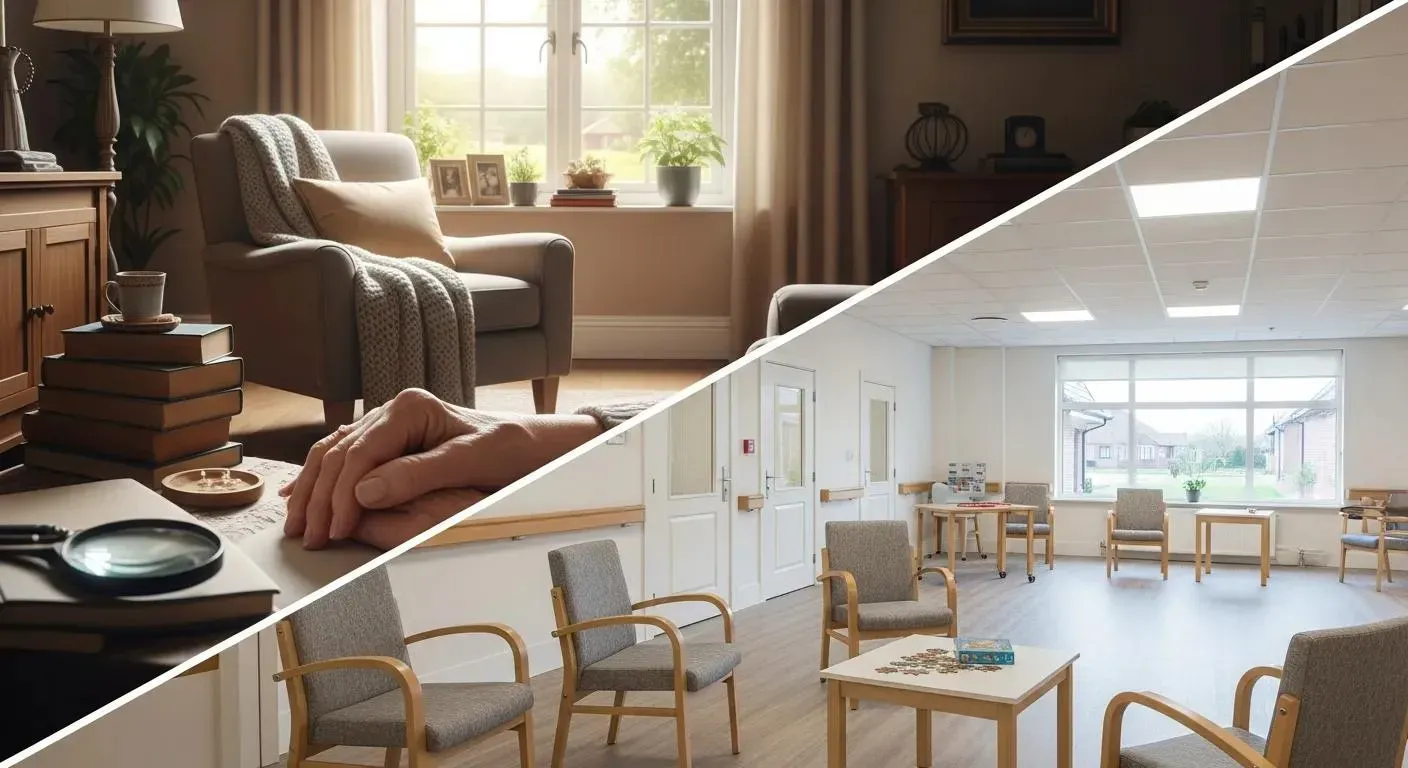
Deciding between in‑home care and a memory care facility is one of the toughest choices families face. In Philadelphia, both options can meet important needs — but they do so in different ways. Below, we explain the main differences, the benefits of each approach, and what costs you can expect, so you can choose with confidence. In‑home care brings tailored support into a familiar setting; memory care provides a structured, secure community with specialized programming.
How do in‑home dementia care and memory care facilities differ?
In‑home dementia care and memory care facilities address different goals. In‑home care focuses on keeping a person comfortable and independent in their own home, with support scheduled around daily life. Memory care facilities are built for people with significant cognitive needs, offering supervised, structured care and programs designed specifically for dementia.
How does in‑home Alzheimer’s care support seniors in Philadelphia?
In‑home Alzheimer’s care gives one‑on‑one help based on the person’s routine and preferences. Caregivers assist with everyday tasks like preparing meals, managing medications, and personal care while encouraging independence where possible. Staying in a familiar home can reduce confusion and help a person feel safer and more grounded. Learn more about our personal and companion care services that support these needs.
What services do memory care facilities provide for people with dementia?

Memory care facilities deliver structured, specialized services to meet the needs of people with dementia. Common offerings include:
- Cognitive stimulation activities: Daily programs that encourage memory, thinking, and social engagement.
- Help with daily tasks: Assistance with dressing, bathing, meals, and medication oversight.
- Safety features: Secure layouts, monitored exits, and staff trained to reduce wandering and other risks.
These components combine to create a predictable, supervised environment designed for safety and engagement.
What are the benefits of home dementia care services in Philadelphia?

Home dementia care can improve daily life by keeping routines, personal possessions, and familiar surroundings intact. That continuity supports dignity and a sense of control, and it lets caregivers tailor support to what the person actually needs and prefers.
How does personalized in‑home care improve quality of life for people with Alzheimer’s?
Personalized in‑home care centers the person’s habits and history. Care plans match daily schedules, favorite activities, and comfort measures. This one‑to‑one attention addresses physical needs and eases anxiety, loneliness, and disorientation through familiar cues and consistent caregivers. Our care team is trained to provide this compassionate, individualized support.
Research indicates the care setting itself can influence a person’s quality of life.
Home vs. Institutional Dementia Care — Quality of Life Comparison
ABSTRACT: Care that preserves quality of life (QoL) is a central challenge as dementia grows more common. For people with early dementia, studies have not consistently shown whether home-based or institutional care delivers better QoL, especially when cultural factors favor family care. The paper summarizes a study protocol comparing informal (home) and formal (institutional) care to identify which approach better supports QoL in early dementia. Quality of life in dementia patients: nursing home versus home care, 2011
What safety features and support are offered in home care settings?
Home care programs incorporate practical safety measures to help people remain at home safely. Examples include:
- 24/7 virtual care: Remote monitoring and on‑demand support that supplement in‑person visits. Learn about our nurse-guided care options.
- Home safety evaluations: Walk‑throughs that identify hazards and recommend changes. See our home care assistance tips for safety improvements.
- Fall prevention strategies: Simple fixes like removing trip risks, adding grab bars, and improving lighting. Our fall prevention services can help.
These steps make the home safer while preserving independence when possible.
How do costs compare between in‑home dementia care and memory care facilities in Philadelphia?
Cost is a major factor. In‑home care is usually billed by the hour and varies with care level and hours needed. Memory care is generally a monthly fee that covers housing, meals, supervision, and specialized services.
What is the average cost of in‑home Alzheimer care in Philadelphia?
In Philadelphia, in‑home Alzheimer’s care typically runs about $25 to $35 per hour, depending on how much help is needed and the services provided. Multiply the hourly rate by the number of hours per week to estimate monthly costs. Explore our caregiver services for detailed pricing and options.
How do memory care facility fees compare to home care expenses?
Memory care communities in the area generally charge between $4,000 and $7,000 per month. That higher monthly cost often includes 24/7 supervision, specially trained staff, meals, and activities tailored to dementia care.
| Service Type | Cost Range | Features |
|---|---|---|
| In-Home Care | $25 - $35/hour | Personalized assistance, flexible scheduling |
| Memory Care Facilities | $4,000 - $7,000/month | 24/7 supervision, structured activities, secure environment |
Use these ranges to compare what you’ll get for your budget and the level of care required.
How can families choose the right Alzheimer care option in Philadelphia?
Choosing the right setting starts with an honest look at needs, safety, and preferences. Talk with clinicians, involve family members, and consider how the person responds to change. Financial reality and available support will also shape the best choice. Visit our About Us page to learn more about our approach and contact us for personalized guidance.
What factors should families consider when deciding between home care and memory care?
Key considerations include:
- Level of care needed: What daily tasks and medical needs must be met?
- Independence and comfort: How important is staying at home versus having structured support? Our care on your schedule model supports independence.
- Cost considerations: Which option fits your budget and available assistance?
Balancing these factors helps families select the option that best protects safety, dignity, and well‑being.
What support resources are available for caregivers and families?
Local and national programs can lighten the load. Helpful resources include:
- Home care tips: Practical guides for making a home safer and more supportive. See our additional services for more.
- Medication assistance: Tools and services to organize and monitor prescriptions. Learn about our medication assistance programs.
- Family portals: Online platforms with care plans, notes, and updates for relatives. Our Your Aging Coach service offers this support.
Using these supports can improve care and give family caregivers needed relief.
Frequently Asked Questions
What qualifications should I look for in an in‑home caregiver for someone with Alzheimer’s?
Look for caregivers with dementia‑specific training, experience with similar cases, and certifications like CPR and first aid. Strong communication, patience, and empathy matter most. Always check references and run background checks before hiring. Our Better Training, Better Care program ensures high standards.
How can families ensure the safety of their loved ones at home?
Start with a home safety assessment to remove tripping hazards, secure rugs, and add grab bars. Good lighting and clear signage help orientation. Consider monitoring devices or scheduled check‑ins, and review the plan regularly as needs change. Our innovative care options include these safety measures.
What are the signs that a loved one may need to transition from home care to a memory care facility?
Consider a move if there’s growing confusion, unmet daily needs, frequent falls, wandering, or caregiver burnout. When safety or behavior changes exceed what home care can safely manage, a memory care community may be the better option. Talk to medical professionals to guide timing.
Are there financial assistance options available for Alzheimer’s care?
Yes. Medicaid can cover some services depending on eligibility, and long‑term care insurance may help if you have it. Nonprofits and local agencies sometimes offer grants or subsidies. A financial advisor or eldercare specialist can point you to programs that fit your situation.
How can families cope with the emotional challenges of caring for someone with Alzheimer’s?
Caring for a person with Alzheimer’s is emotionally demanding. Join local caregiver support groups, schedule regular respite, and prioritize self‑care like exercise and rest. Counseling can help process grief and stress. Sharing responsibilities with family reduces isolation.
What role do community resources play in supporting Alzheimer’s care?
Community resources are crucial. Local organizations offer education, caregiver training, respite services, and social programs that keep people engaged. These supports improve quality of life for both the person with dementia and their caregivers.