
In-Home End-of-Life Support in Philadelphia: Understanding What It Is and When Families Should Start

In-home end-of-life support enables families to care for loved ones at home during their final days. It brings together medical, practical, and emotional services aimed at improving quality of life for patients and their families. According to the National Hospice and Palliative Care Organization (NHPCO), over 1.6 million patients received hospice care in the United States in 2021, highlighting the growing importance of these services. Furthermore, the NHPCO reports that hospice care has been shown to reduce hospital deaths by 40% and increase patient satisfaction significantly. The Centers for Medicare & Medicaid Services (CMS) also notes that hospice care reduces Medicare expenditures by approximately 20% in the last six months of life, underscoring its cost-effectiveness. A 2019 study published in the Journal of the American Medical Association found that patients receiving hospice care had a 30% lower risk of hospital readmission in their final month compared to those who did not receive hospice services. Knowing when to begin these services can shape the end-of-life experience. This article outlines the core components of in-home end-of-life support, the roles of hospice and comfort care, signs that suggest when to start, and how Home Matters Caregiving delivers personalized support in Philadelphia.
What Is In-Home End-of-Life Support and Its Key Services?
In-home end-of-life support covers services that provide comfort and care to people approaching the end of life. Typical services include medical management, emotional support, and help with daily activities. The main aim is to preserve dignity and comfort throughout the final phase of life. Common elements include pain control, personal care, and emotional support for patients and their families.
Home Matters Caregiving focuses on personalized in-home end-of-life support so families receive compassionate, reliable care during a difficult time. Starting services earlier can help create a calm, supportive environment for the person receiving care.
How Does Nurse-Guided Care Enhance Comfort and Symptom Management?
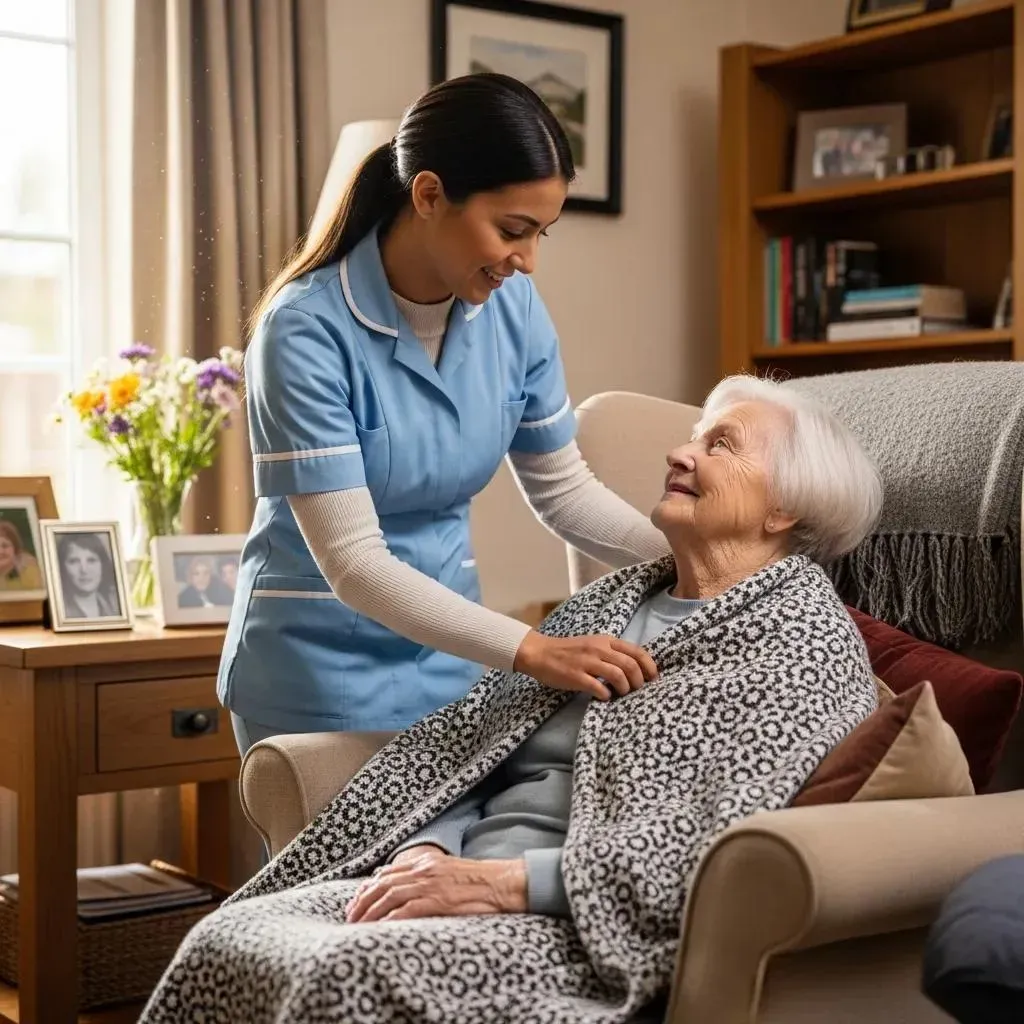
Nurse-guided care is central to improving comfort and managing symptoms at home. Nurses assess clinical needs and develop care plans that address specific symptoms and concerns. This comprehensive approach ensures care is tailored to each patient's condition.
Nurses monitor patients closely and adjust care plans as needed to maintain comfort and manage symptoms. That active oversight improves quality of life and gives families confidence that their loved ones are receiving professional, attentive care. A 2020 study published in the Journal of Pain and Symptom Management found that nurse-led interventions in palliative care significantly reduced patient symptom burden and improved overall satisfaction with care. Additionally, the American Nurses Association highlights that nurse involvement in end-of-life care reduces emergency room visits by up to 30%, underscoring the value of nurse-guided care. The National Institute of Nursing Research also emphasizes that nurse-led symptom management improves patient outcomes and reduces hospitalizations. Learn more about nurse guided care and how it benefits your loved one.
What Are the Roles of Hospice and Comfort Care Services at Home?
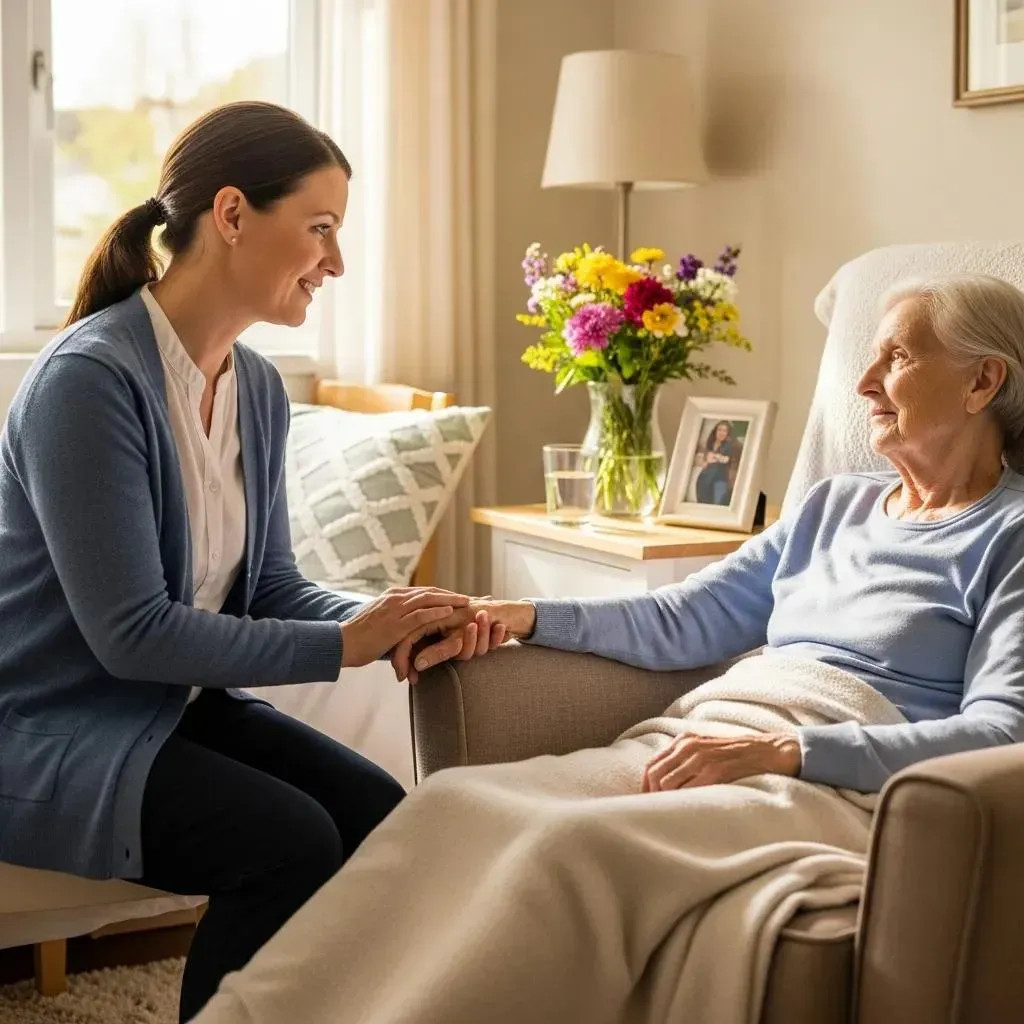
Hospice and comfort care are key parts of in-home end-of-life support. Both aim to improve quality of life for people with terminal illnesses by addressing physical symptoms as well as emotional and spiritual needs.
| Service Type | Focus | Key Features |
|---|---|---|
| Hospice Care | End-of-life care | Pain management , emotional support, family counseling |
| Comfort Care | Symptom relief | Personal care, companionship, respite for family caregivers |
Hospice and comfort care both prioritize the well-being of patients and families, offering access to trained professionals who help navigate the practical and emotional aspects of end-of-life care. The Centers for Disease Control and Prevention (CDC) reports that hospice care can improve patient and family satisfaction and reduce hospitalizations in the final months of life. In fact, a CDC analysis found that patients receiving hospice care had a 20% lower rate of hospital readmissions in their last 30 days compared to those who did not receive hospice services. Additionally, a 2018 study in Health Affairs found that hospice care is associated with a 22% reduction in hospital admissions and a 25% reduction in emergency department visits during the last month of life. The National Hospice and Palliative Care Organization also reports that hospice care increases patient and family satisfaction scores by over 35% compared to standard care.
When Should Families Start In-Home Hospice Care?
Choosing when to start in-home hospice care is important to ensure patients receive appropriate support. Families should consider hospice when a loved one has a terminal diagnosis with a prognosis of six months or less. Beginning hospice earlier allows access to the full range of available services and can improve quality of life for patients and caregivers.
Research further emphasises the significant benefits of timely hospice care initiation for both patient well-being and financial considerations.
Optimal Timing for Hospice Care Initiation
Among patients with terminal cancer , initiating hospice-shared care before the last 8 and 15 days of life can effectively improve quality of care and reduce medical expenses, respectively.
Optimal timing for hospice-shared care initiation in terminal cancer patients , CC Shiao, 2021
Some indicators that it may be time to start hospice care include:
- Declining Health: Noticeable deterioration in health status.
- Increased Symptom Management Needs: A growing need for pain management and symptom relief.
- Emotional and Spiritual Support Requirements: The need for emotional and spiritual guidance for both patients and families.
Recognising these signs helps families make informed choices about when to seek in-home hospice care. For more information on hospice and comfort care options, visit innovative care options.
What Are the Signs and Timing Indicators for Beginning Hospice Care at Home?
Identifying the right moment to begin hospice care at home can be difficult, but several clear signs can guide families. Key indicators include:
- Declining Health: Significant weight loss, increased fatigue, or difficulty performing daily activities.
- Increased Symptom Management Needs: Frequent hospital visits or the need for more intensive pain management.
- Emotional and Spiritual Support Requirements: Expressed feelings of anxiety, depression, or fear regarding the dying process.
Recognising these indicators can prompt timely initiation of hospice care so patients receive appropriate comfort and support.
How Does Eligibility Affect the Decision to Start Home Hospice Support?
Eligibility for hospice care is usually determined by a physician's assessment of the patient's condition. To qualify, patients generally must have a terminal illness with a prognosis of six months or less. This assessment helps ensure hospice services match the patient's needs.
Families should discuss their loved one's condition openly with healthcare providers and review the potential benefits of hospice. Clear communication about eligibility supports informed decision-making on when to begin home hospice support. Learn more about eligibility and care planning at Your Aging Coach.
How Can Families Access Emotional and Practical Support During End-of-Life Care?
Access to emotional and practical support is essential for families providing end-of-life care. A range of resources can assist, including:
- Counseling Services: Professional counseling can provide emotional support and guidance.
- Support Groups: Connecting with others in similar situations can offer comfort and practical insight.
- Practical Assistance: Services such as meal preparation, housekeeping, and transportation can reduce the load on family caregivers.
Using these resources helps families maintain resilience while providing care to their loved ones.
Despite available resources, family caregivers often face significant challenges and may feel their expectations for support are unmet, highlighting the need for truly family-centered care.
Supporting Family Caregivers in Home Palliative Care
Research on the multiple roles of family members providing home-based palliative care is limited. A qualitative secondary analysis of a larger ethnographic study examined how family members enact multiple roles when caring for seniors with advanced cancer. Family members held several expectations for providing care but often felt services did not meet those expectations. The process of enacting multiple roles was described by three interrelated themes: balancing, re-prioritizing, and evolving. Attempts to minimise personal health impacts while maintaining care produced both positive and negative health responses. “True” family-centered care was found to be lacking and should be a goal for health professionals involved in end-of-life care. Family members providing home-based palliative care to older adults: the enactment of multiple roles, 2008
What Resources Are Available for Family Caregivers in Philadelphia?
Family caregivers in Philadelphia can access a range of resources designed to support them through the caregiving journey. These resources include:
- Home Care Tips: Guidance on providing effective care at home.
- COVID-19 Resources: Information on safety measures and available support during the pandemic.
- Medication Assistance: Programs that help families manage medications and ensure correct administration.
These resources can reduce caregiver burden and allow families to focus on delivering quality care to their loved ones.
How Does Home Matters Caregiving Provide Personalized Support?
Home Matters Caregiving delivers personalised support tailored to each family's needs. Their approach includes:
- Tailored Care Plans: Individualised plans that reflect patient needs and preferences.
- Flexible Scheduling: Services that adapt to the family's timing and requirements.
- Regular Care Monitoring: Ongoing assessments to keep care plans effective and up to date.
By offering personalised support, Home Matters Caregiving helps families manage the practical and emotional challenges of end-of-life care with compassion and professionalism.
What Are the Home Hospice Support Options and Benefits for Seniors?
Home hospice support provides several options and benefits for seniors, such as:
- Comfort and Quality of Life Focus: Emphasis on pain relief and emotional support.
- Home-Based Care Advantages: Familiar surroundings that can enhance comfort and reduce anxiety.
- Comprehensive Service Offerings: Access to medical care, personal care, and emotional support.
These options help seniors receive the care they need while preserving dignity and comfort in their final days. Explore more about personal and companion care and additional services available.
How Does Palliative Care at Home Improve Quality of Life for Seniors?
Palliative care at home improves quality of life by focusing on symptom control and emotional support. It aims to reduce pain and discomfort while addressing emotional and spiritual needs. This holistic approach helps seniors preserve independence and dignity during difficult times. According to the World Health Organization, palliative care improves quality of life for patients and their families facing life-threatening illness by preventing and relieving suffering through early identification and treatment of pain and other problems. Additionally, a 2019 report from the National Institute on Aging highlights that patients receiving palliative care at home report a 25% improvement in symptom management and emotional well-being compared to those receiving standard care.
What Cost and Eligibility Factors Should Families Consider?
When planning in-home end-of-life support, families should consider cost and eligibility factors. Key points include:
- Cost Variability Factors: Service costs vary depending on the level of care and specific services used.
- Payment Options: Understanding insurance coverage and payment choices helps families manage expenses. Medicare covers hospice care for eligible patients, which can significantly reduce out-of-pocket costs. According to the Medicare Payment Advisory Commission, hospice care reduces Medicare spending by an average of 20% per patient in the last six months of life.
- Service Types and Eligibility: Different services may have distinct eligibility requirements, so families should confirm details with healthcare providers.
Considering these factors enables families to choose the most appropriate care options for their loved ones.
To learn more or discuss your needs, visit our about us page, explore caregiver services, or contact us. We also offer personal and companion care, additional services, and nurse guided care to support your family.
Frequently Asked Questions
What is the difference between hospice care and palliative care?
Hospice care and palliative care both prioritize comfort, but they differ in timing and focus. Hospice care is for patients with terminal illnesses who are expected to live six months or less and emphasises end-of-life support. Palliative care can be provided at any stage of a serious illness and concentrates on symptom management and quality of life, regardless of prognosis. Both approaches centre on the patient's comfort and emotional needs. For more detailed answers, visit our FAQs page.
How can families prepare for the emotional challenges of end-of-life care?
Preparing for emotional challenges means maintaining open communication, seeking professional support, and practising self-care. Families should talk about feelings and concerns, consider counselling or support groups, and use healthy coping strategies such as exercise or restorative activities to manage stress during this period.
What role do family members play in in-home end-of-life support?
Family members provide emotional presence, assist with daily tasks, and advocate for the patient's wishes. They often help with personal care, medications, and companionship, which can improve the patient's quality of life. It is important for family caregivers to seek support to prevent burnout and maintain their own well-being. Training programs such as Better Training, Better Care can help family caregivers develop essential skills.
Are there specific training programs for family caregivers in Philadelphia?
Yes. A range of training programs in Philadelphia covers skills such as medication management, personal care techniques, and communication strategies. Local hospitals, hospice organisations, and community groups may offer workshops or online resources to build caregiver confidence. Support groups also provide practical advice and peer experience.
What should families consider when choosing a home care provider?
When selecting a home care provider, evaluate the provider's experience, services, and fit with the patient's needs. Check credentials, read reviews, and ask for referrals from healthcare professionals or other families. Inquire about the provider's care approach, staff availability, and scheduling flexibility to ensure alignment with your expectations. Learn about our approach to caregiver services.
How can families ensure continuity of care during end-of-life support?
To maintain continuity, keep open lines of communication with healthcare providers and caregivers. Update care plans regularly and report changes in the patient's condition. Document medications, preferences, and important details, and share them with all caregivers to support coordinated, consistent care.
What resources are available for financial assistance with end-of-life care?
Families can explore government programs, non-profit organizations, and insurance options for financial assistance. Medicare and Medicaid may cover certain hospice services, and private insurance can offer additional benefits. Non-profits sometimes provide grants or aid. Consulting social workers or financial advisors can help families identify the best options for their situation.