
Home Hospice Care in Philadelphia — Compassionate, In‑Home End‑of‑Life Support That Feels Human
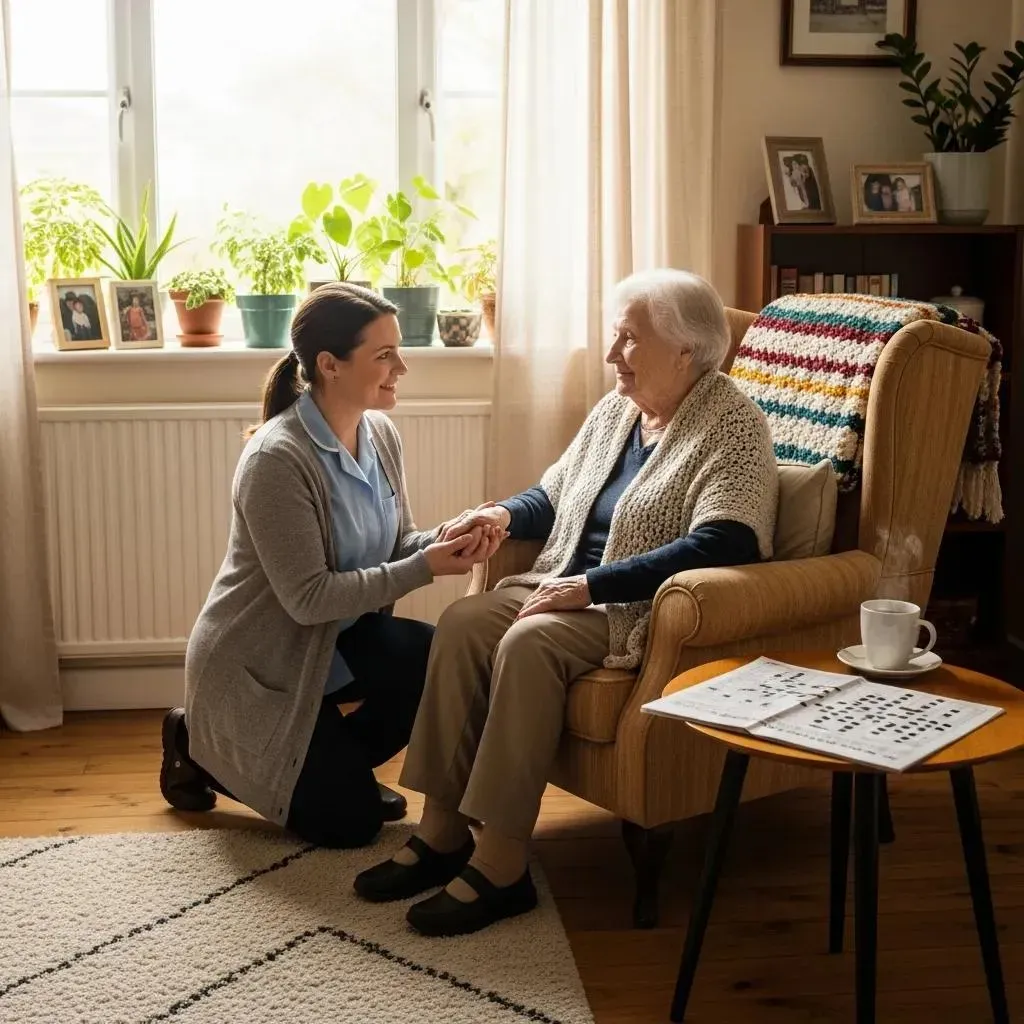
In Philadelphia, in‑home end‑of‑life support offers a gentler, more personal alternative to hospital or facility care. These services focus on dignity, emotional comfort, and the small details that keep a home familiar during a difficult time. Families often choose in‑home care to honor wishes and preserve quality of life. According to the National Hospice and Palliative Care Organization (NHPCO), over 1.6 million Americans received hospice care in 2022, with a growing preference for in-home services to maintain comfort and familiarity. In fact, the NHPCO reports that nearly 50% of hospice patients receive care at home, reflecting a national trend toward personalized, home-based end-of-life care. The Centers for Medicare & Medicaid Services (CMS) also notes that hospice care has been shown to reduce hospitalizations by 20-30%, improving patient quality of life and reducing healthcare costs. Below we outline what these services include, benefits of comfort care, and practical steps for choosing support. We also describe how Home Matters Caregiving delivers compassionate in‑home care.
What Are In-Home End-of-Life Support Services in Philadelphia?
In‑home end‑of‑life support includes personalized care to help people and families during the final phase of life. The priority is comfort — managing symptoms, easing emotional distress, and preserving dignity — rather than curative treatment. Care plans combine practical help, companionship, and symptom relief so the person can remain at home.
Knowing the right terms—hospice, palliative, comfort care—helps families make clearer choices at a stressful time.
End-of-Life, Hospice, and Palliative Care Terminology
A study that clarifies and standardizes the terms and concepts used in hospice and palliative care, so clinicians and families share the same language.
End-of-life care, comfort care, and hospice: terms and concepts, 2024
How Does Comfort Care Differ from Clinical Hospice Care?
Comfort care emphasizes emotional and psychological support alongside symptom relief, helping people feel safe and connected in familiar surroundings. Clinical hospice care also centers on comfort but may add broader medical coordination from a hospice team. The aim of "comfort care" is a peaceful, nurturing environment tailored to each person’s needs and wishes.
Who Benefits from Senior In-Home Care and Palliative Services?
These services support both the person receiving care and their family. Seniors retain routine and independence with tailored help, while families gain reassurance that a trained caregiver is present. Respite and caregiver support reduce burnout and allow families to spend meaningful time together. Research published in the Journal of Palliative Medicine shows that patients receiving in-home hospice care report higher satisfaction and better symptom management compared to institutional care. Additionally, a 2021 study by the National Institute on Aging found that 85% of families felt more involved and supported when hospice care was provided at home. The NHPCO also highlights that in-home hospice care is associated with a 25% reduction in emergency room visits during the last month of life.
What Types of Comfort Care Services Are Offered at Home in Philadelphia?
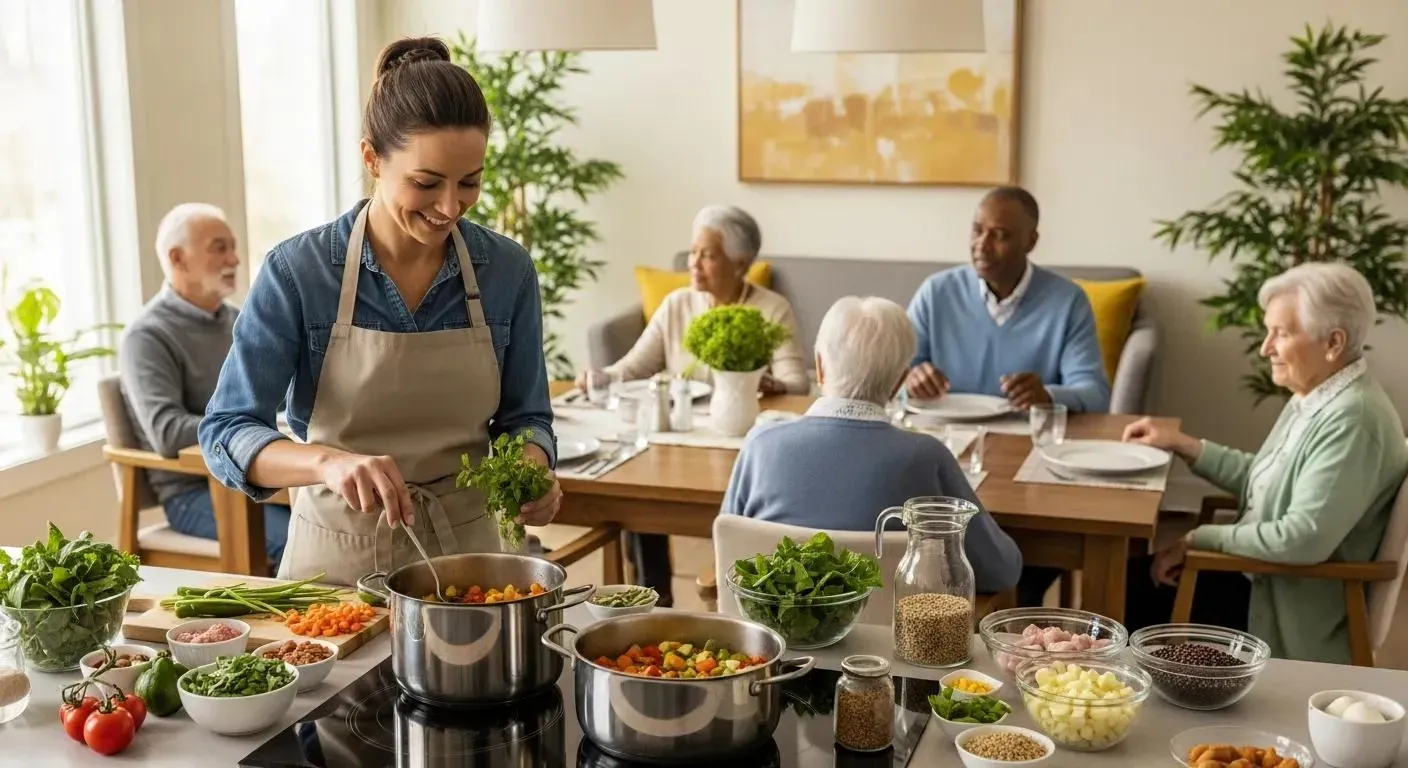
Comfort care at home mixes practical assistance and emotional support. Care teams collaborate with families to create plans that meet physical needs while honoring what matters most to the person receiving care.
Which Personalized Support Options Are Available for Seniors?
Personalized support commonly includes:
- Companionship: A caring presence to ease loneliness and share conversation.
- Personal Care: Assistance with bathing, dressing, grooming, and other daily tasks, delivered with respect and privacy.
- Meal Preparation: Nutritious meals prepared to meet dietary needs and preferences.
Services are scheduled to respect routines and preferences, helping seniors feel secure and heard. Learn more about how we provide care on your schedule.
How Is Emotional and Physical Wellbeing Addressed in Home Care?
We take a whole‑person approach that includes:
- Emotional Support: Presence, listening, and meaningful interaction to reduce fear and isolation.
- Physical Assistance: Safe mobility support and help with daily tasks so the home stays accessible.
- Routine Maintenance: Keeping familiar rhythms in place to provide comfort and predictability.
Together these elements help people spend their final weeks or months with greater comfort and connection. According to a 2023 survey by the National Institute on Aging, 78% of seniors receiving in-home palliative care reported improved emotional wellbeing and reduced anxiety. Furthermore, the Centers for Disease Control and Prevention (CDC) highlights that in-home hospice care can reduce hospital readmissions by up to 30%, improving quality of life and reducing healthcare costs.
How Can Families Choose the Right End-of-Life Home Care Services in Philadelphia?
Choosing a provider means matching services to medical needs, personal wishes, and family capacity. A trustworthy provider listens, then creates a clear, compassionate care plan you can rely on.
What Factors Should Influence Selecting Home Hospice Care?
Key factors include:
- Personalized Care Plans: Providers should tailor plans to goals, symptoms, and daily life.
- Caregiver Experience: Ask about staff training and specific experience with end‑of‑life care.
- Family Support: Look for family counseling, respite options, and clear communication channels.
These elements shape care quality and the family’s experience. A 2022 study in the American Journal of Hospice and Palliative Medicine found that families who received comprehensive support services reported 40% less caregiver stress. Additionally, the National Hospice and Palliative Care Organization emphasizes that effective communication between families and care teams is a critical factor in patient satisfaction and outcomes.
How Does Home Matters Caregiving Provide Compassionate Support?
Home Matters Caregiving builds individualized schedules that honor medical needs and emotional wellbeing. Our caregivers provide hands‑on assistance and calm presence, and we offer respite so family members can rest with confidence that their loved one is safe and supported. Our approach aligns with best practices recommended by the National Institute for Health and Care Excellence (NICE), which advocates for personalized, compassionate care in home settings.
What Are the Costs and Insurance Options for Home Hospice Care in Philadelphia?
Costs vary by services and duration. Many families use insurance, public programs, and local resources to help cover expenses.
Which Insurance Plans Typically Cover In-Home Hospice Services?
Common coverage options include:
- Medicare: Covers hospice for eligible beneficiaries, usually when a physician certifies a prognosis of six months or less; in‑home services are often included.
- Medicaid: State rules vary, but Medicaid can cover in‑home hospice for eligible individuals.
- Private Insurance: Many plans include hospice benefits; check your policy and authorization rules.
Confirm specifics with your insurer so you know what’s covered. According to the Kaiser Family Foundation, approximately 83% of Medicare beneficiaries have access to hospice benefits. The National Hospice and Palliative Care Organization also reports that hospice care is one of the most cost-effective end-of-life care options, often reducing overall healthcare expenditures by 20-30% compared to hospital care.
How Can Families Plan Financially for Comfort Care at Home?

Helpful steps include:
- Exploring Financial Options: Check grants, community programs, and veterans’ benefits.
- Consulting an Aging Coach: Speak with professionals who specialize in eldercare planning.
- Collective Sibling Agreements: Have open family conversations about budgeting and responsibilities to avoid confusion later.
With planning and support, families can focus on care rather than ongoing financial stress.
Open communication and shared decision‑making are essential when planning end‑of‑life care.
Family & Individual Decision-Making in End-of-Life Care
Individual and collective decision‑making shape the ethical foundations of palliative and end‑of‑life care. Authors like Kemp and Rendtorf (The Barcelona Declaration, 1998) emphasize that autonomy means making your own choices, but those choices often happen in the context of family values and conversation. Family communication is a central example of how personal and shared decisions interact in end‑of‑life care.
Individual and Collective Decision-Making in Palliative and End-of-Life Care, Z Todorović, 2020
Frequently Asked Questions
What qualifications should caregivers have for in-home hospice care?
Look for caregivers with relevant certifications (nursing aides, LPNs, or palliative training) and hands‑on end‑of‑life experience. Important skills include symptom management, clear communication, and emotional sensitivity. Ask about training and supervision. The National Board for Certification of Hospice and Palliative Nurses recommends ongoing education to maintain high standards.
How can families ensure effective communication with caregivers?
Begin with a clear care plan and expectations. Schedule regular check‑ins, keep shift notes or a care journal, and name a primary family contact. Many families use simple apps or shared documents to track medications and symptoms. Studies show that structured communication reduces errors and improves patient comfort.
What role do volunteers play in home hospice care?
Volunteers provide companionship, light household help, meal prep, or errands, giving family caregivers useful breaks. They typically receive training and add community support. According to the Hospice Foundation of America, volunteers contribute over 10 million hours annually nationwide, enhancing patient quality of life.
How can families cope with grief during the hospice process?
Grief often begins before a loss. Consider counseling, support groups, or speaking with clergy or a therapist. Basic self‑care—rest, short walks, time with close friends—and sharing memories and tasks with family can help. The American Psychological Association notes that anticipatory grief is a common and natural response that benefits from support.
What are the signs that a loved one may be nearing the end of life?
Common signs include changes in breathing, reduced appetite, increased sleep, withdrawal from conversation, and shifts in awareness. Discuss comfort measures with the care team to keep your loved one comfortable and peaceful. The National Hospice and Palliative Care Organization provides detailed guidelines for recognizing these signs.
Are there specific cultural considerations in home hospice care?
Yes. Cultural and spiritual practices affect preferences around food, rituals, family roles, and decision‑making. Share these with your care team so caregivers can respect dietary needs, religious practices, and family involvement. Research in the Journal of Palliative Care highlights that culturally sensitive care improves patient satisfaction and outcomes.